Editorial · Article
Sam Neill's Horror: The Reasonable Man Who Comes Apart
His essential horror work, from Possession and Omen III to In the Mouth of Madness and Event Horizon.
By Alan Willey · · Updated
Sam Neill's arguably most influential film for me isn't even a horror movie (though it could be argued to be horror-adjacent in some ways). Jurassic Park.
Sam Neill portrayed Dr. Alan Grant (same first name, oh yeah!): intelligent, calm, and collected, with an annoyance toward kids and a touch of Indiana Jones charm. He finds kids "gross" and says "they smell," and really just tries to avoid any interaction with them, a battle he, annoyingly, loses. Over the course of the film, he fills the role of reluctant father figure and role model, until he fully embraces it with ferocity. His love and mesmerization for the creatures has no doubt inspired generations of dinosaur lovers. This is the Sam Neill I remember, and the world of cinema is better off for him.
Now, this is a horror site, so we have to talk about his horror influence: a catalog of films I got into when I was much older, but one just as important.
Sam Neill died in Sydney on July 13, 2026, at the age of 78. His family called the loss sudden and unexpected. He leaves a career of five decades that ran from Cannes to blockbusters. For forty years he also played, repeatedly in horror, a composed and intelligent man watching his own mind give way.
He was good at playing certainty. Give him a title and an expertise and he made you believe the man had the situation handled. The genre cast him for that and then took it apart. The films below run from a man in command of the dark to a man who becomes part of it.
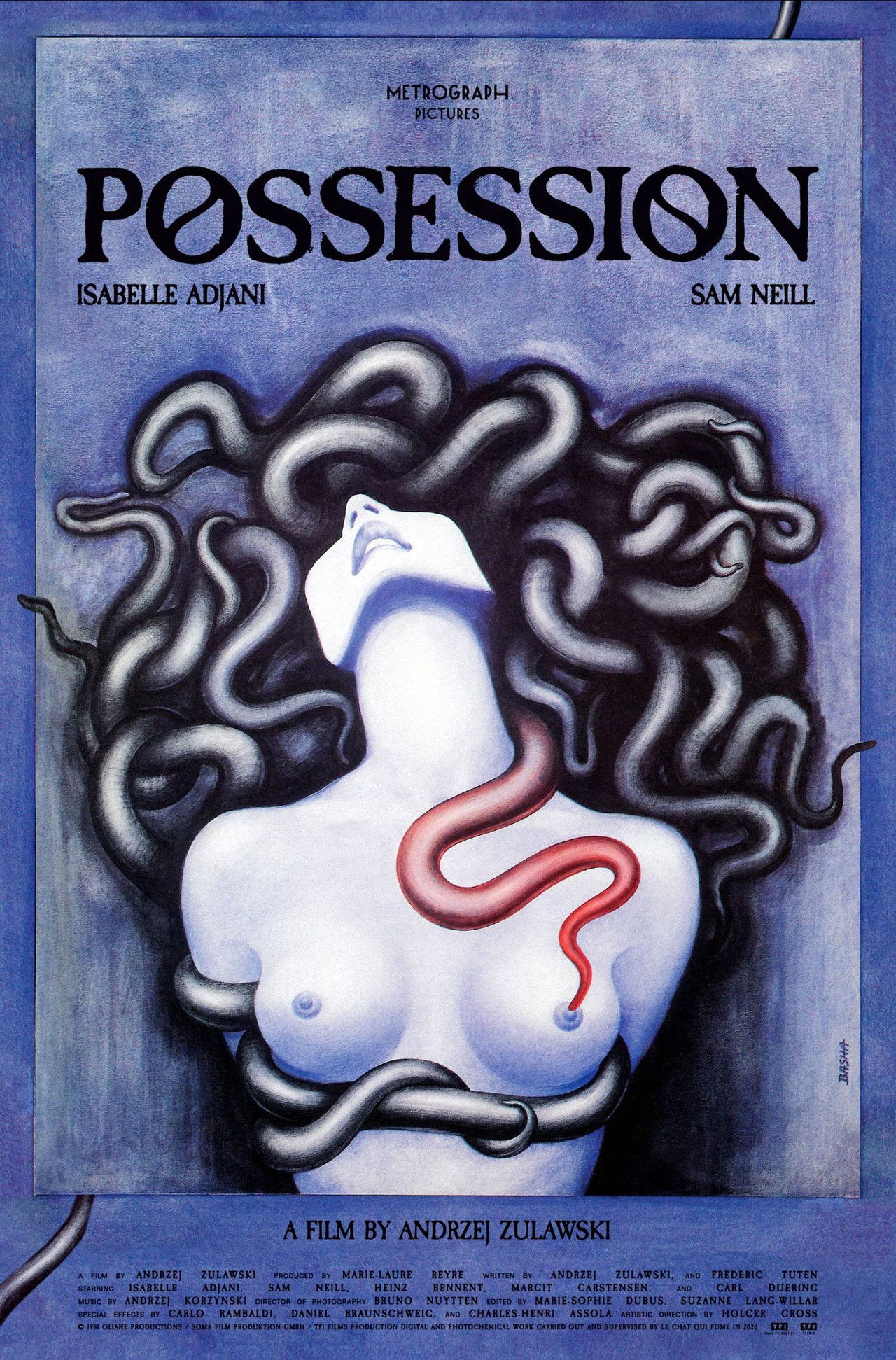
Possession (1981)
Possession is the origin point. In Andrzej Żuławski's film, Neill plays Mark, a husband whose marriage in Cold War Berlin comes apart into something that is no longer only a marriage. It is the most extreme performance of his career and the template for everything after, with his intelligence and control stripped away in real time.
The Darkly Score shows a film that does not behave like most horror. It rates Fear 1.0 against Intensity 10.0, the widest gap of any film here, and logs zero jump scares. Possession is not frightening so much as punishing. The film page carries content warnings, and this is heavy, uncompromising material.
The Final Conflict (1981)
The Final Conflict was released the same year, at the far end of the persona. Here Neill is Damien Thorn, the adult Antichrist of the Omen series, a man in command of the dark rather than undone by it. It was his first genre-icon role, cold and controlled where his later horror leads would be frantic and unmade. In this one he plays the source of the fear rather than its target.
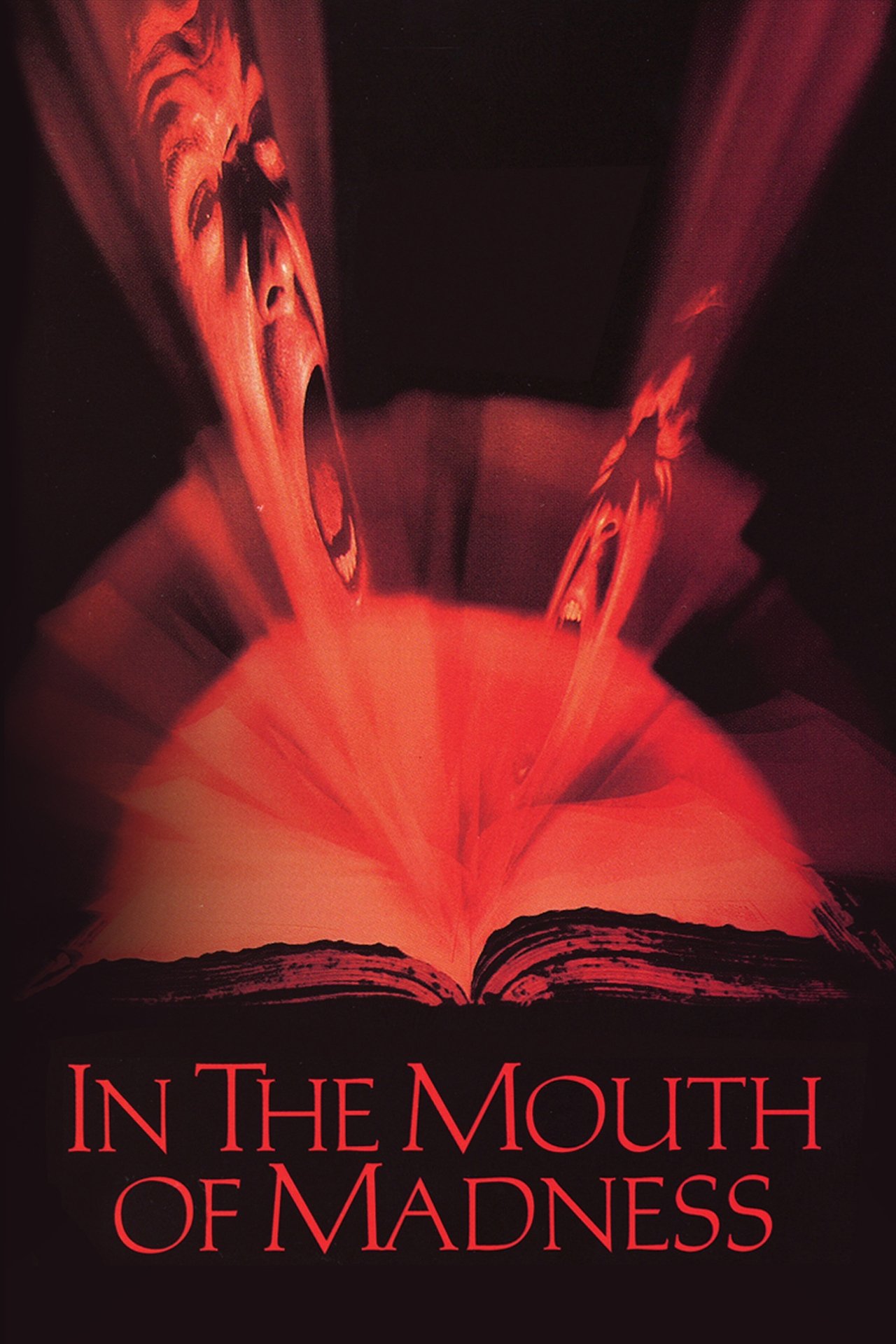
In the Mouth of Madness (1995)
John Carpenter hands Neill the purest version of the type in In the Mouth of Madness. John Trent is an insurance investigator and a professional skeptic, sent to find a vanished horror novelist, and he loses the ability to tell the man's fiction from the world around him. Many now call it his best performance.
The film barely registers on fear, at 1.0, and does its work on the mind instead. Trent is argued out of his own reality.
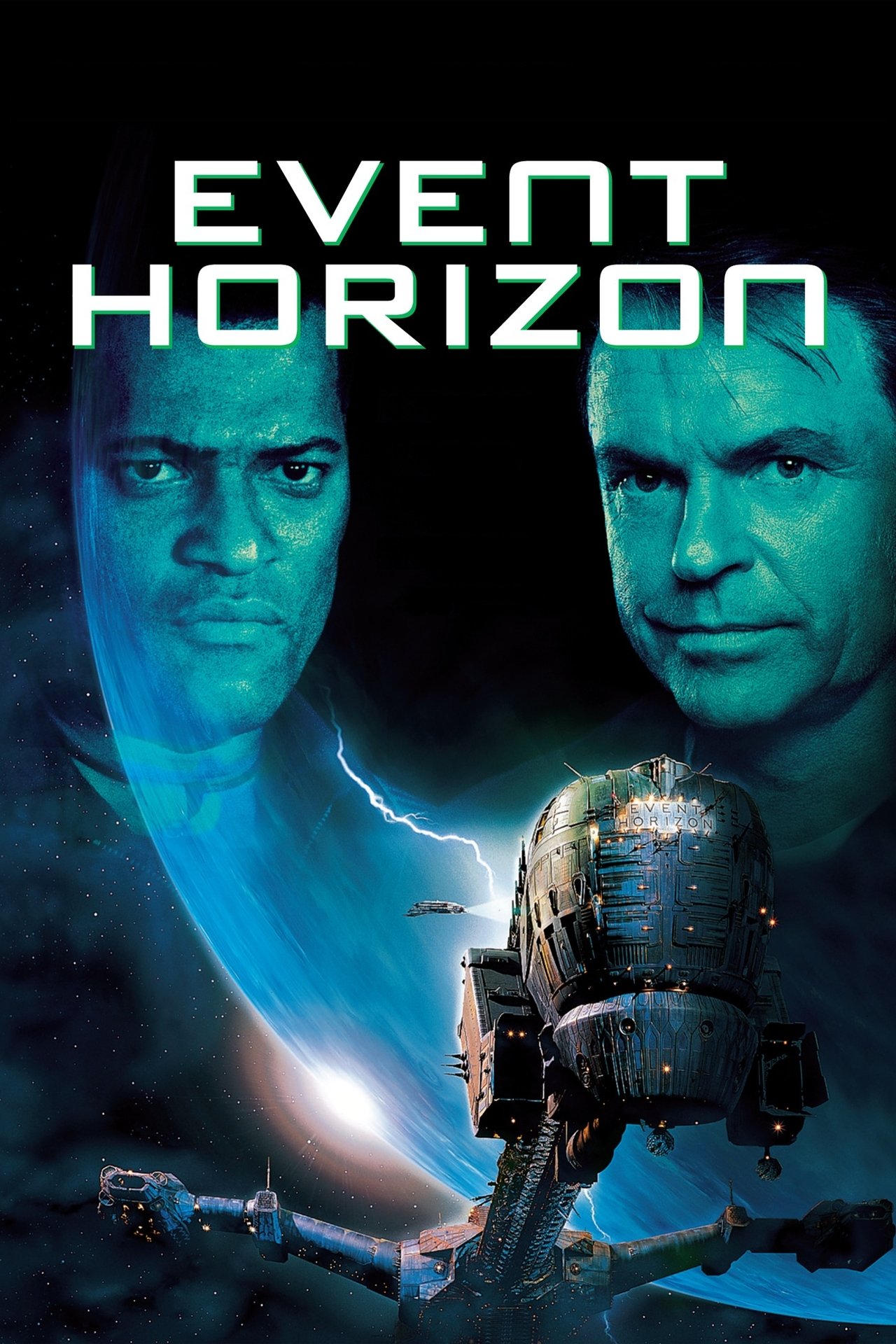
Event Horizon (1997)
Paul W. S. Anderson's haunted-ship film gives Neill Dr. Weir, the grieving architect of a ship that came back from somewhere it should not have. Of the five films here, this is the one that frightens. It has the highest Fear rating of them at 7.5 and Gore at 8.0, plus eleven catalogued jump scares.
It failed in cinemas in 1997 and has since become the cult center of his horror work. It is also the film where the reasonable man stops resisting the dark and becomes part of it.
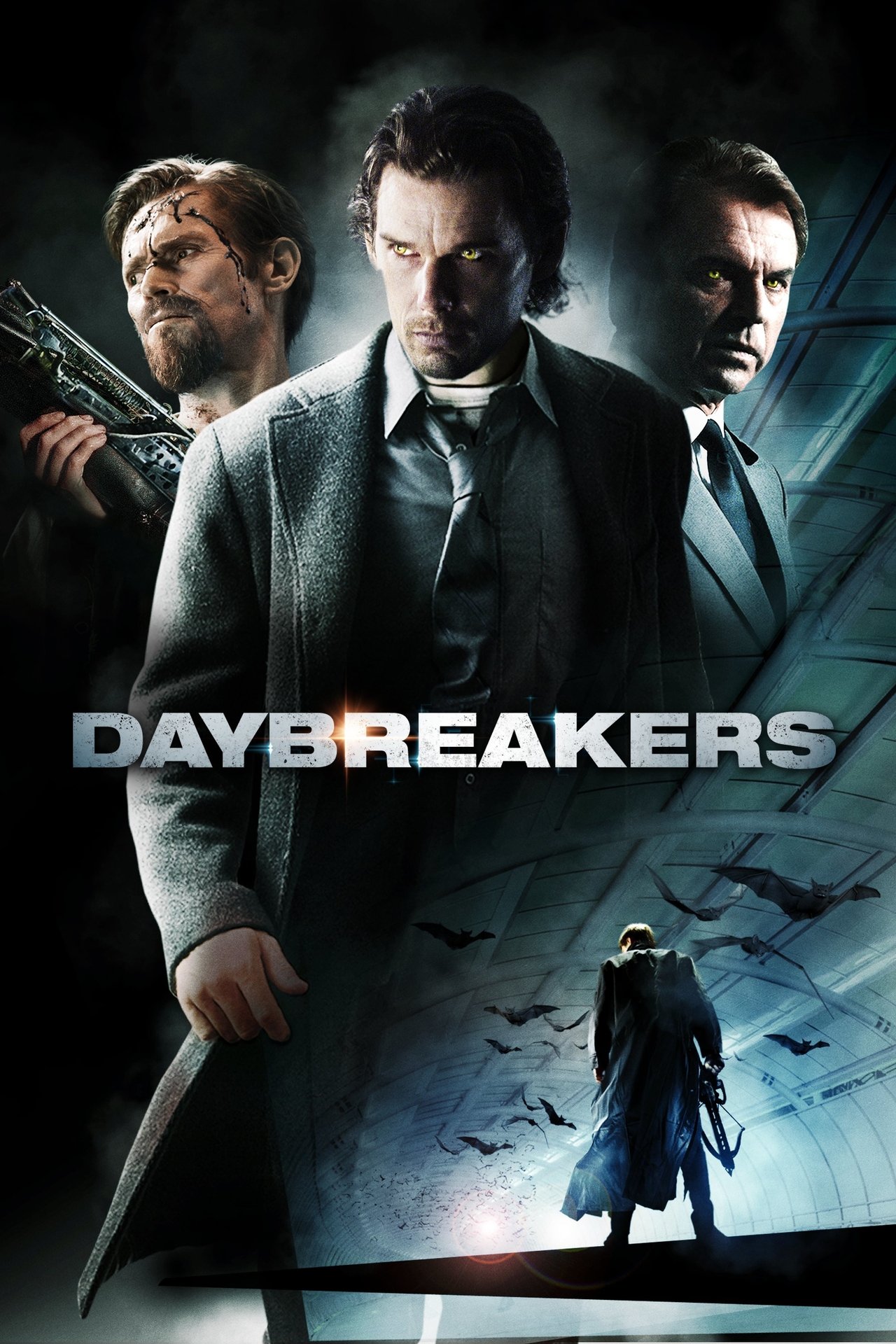
Daybreakers (2010)
Daybreakers is a late coda. Two decades on, in the Spierig brothers' vampire film, Neill plays Charles Bromley, a corporate magnate farming the last humans for blood. It leans lighter on dread than the rest. He kept choosing horror long after Jurassic Park could have let him leave the genre behind.
What the scores say about him
Lined up by the five Darkly axes, his films share a pattern. Only Event Horizon rates above 2.0 on fear. The other scored films sit at or below it. A Sam Neill horror film is usually not built to make you jump. It shows a capable man losing his grip, which reads on the scores as intensity rather than fright.
His full catalog credits sit on his filmography page. These same five films are the whole of Hooptober 13's Sam Neill category, which exists on this year's list because he died.
Related films on Watch Darkly
Possession(1981)
Neill as Mark, a husband whose Cold War Berlin marriage disintegrates into body horror. His most extreme performance, and the origin of the unravelling-man persona. Fear 1.0, Intensity 10.0.
The Final Conflict(1981)
Neill as the adult Damien Thorn, the Antichrist of the Omen series. His first genre-icon role, and the one where he plays the source of the fear rather than its target.
In the Mouth of Madness(1994)
Carpenter's Lovecraftian meta-horror, with Neill as a skeptical investigator argued out of his own reality. Often called his best performance.
Event Horizon(1997)
The haunted house in space. Neill as Dr. Weir, the grieving architect who becomes the horror. It is the one film here built to frighten, with Fear 7.5 and eleven catalogued jump scares.
Daybreakers(2009)
A late-career vampire villain, with Neill as a corporate magnate farming humans for blood. He kept choosing horror long after Jurassic Park.

Common questions
- What are Sam Neill's essential horror movies?
- Possession (1981), In the Mouth of Madness (1995), and Event Horizon (1997) are the core of it, with The Final Conflict (Omen III, 1981) and Daybreakers (2010) filling out his genre work.
- Which Sam Neill horror movie is the scariest?
- By the Darkly Score, Event Horizon (1997). It has his highest fear rating and eleven catalogued jump scares. Possession (1981) rates as more intense, but it gets there through devastation rather than fear.
- Is Possession (1981) a horror movie?
- Yes. It is an art-house body-horror film, once a UK "video nasty," now widely regarded as a classic, and one of the most extreme performances of Neill's career.