Amazon Video
 Apple TV Store
 Google Play Movies
 YouTube
 Fandango At Home
 Kanopy
 Fawesome
Voces2020
Haunted-house horror with the same sense of dread and bleak outlook.
Overall7.8
Fear8.0
Atmos8.0
Gore4.0
Supernatural
2007 · PG-13 · 1h 44m
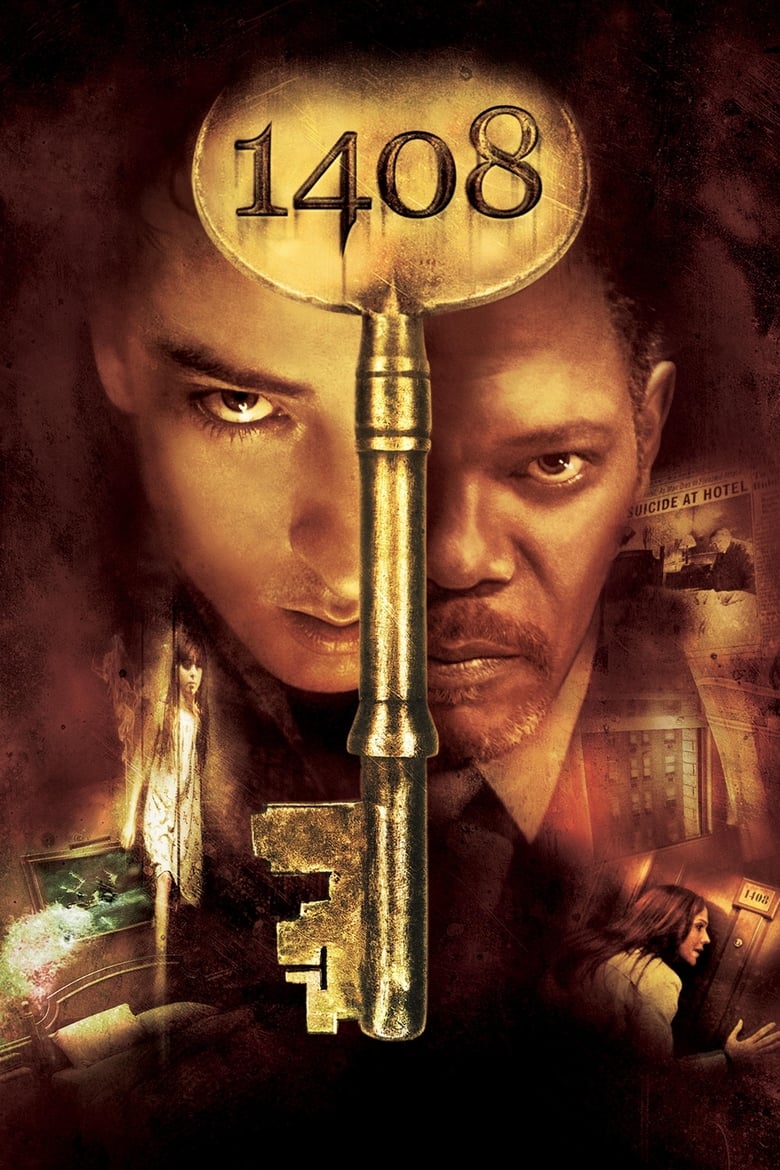
The Dolphin Hotel invites you to stay in any of its stunning rooms. Except one.
 Philo
Philo AMC Plus Apple TV channel
 AMC+ Amazon Channel
 AMC+ Roku Premium Channel
 AMC+
AMC+ AMC
AMC Lionsgate+ Amazon Channel
 Howdy Amazon Channel
 Tubi TV
Availability data powered by JustWatch (more options). Service names open TMDB's watch page for this film, one tap from the service. Services change; confirm on the service before you pay.
Free account
Keep a list of what you want to watch.
Save 1408 and pick it up later. We'll email you if it lands on a US subscription service. No ads, no algorithm.
Watch Darkly
Curator Certificate
7.0
Out of ten
Passed by two curators
No reader has scored it yet. It shows once 5 readers have.
Leans into fear and atmosphere.
Add your ratingJump scares
1408 has 8 jump scares. Compare counts
Free account
Just saw 1408?
No reader has scored it yet. We scored it 7.0. Be one of the first 5.
Adding your score takes a free account, and your score joins the reader score.
Tap the bar for a whole number, drag it for halves. The full scorecard — fear, gore, atmosphere, intensity — is further down.
A man who specializes in debunking paranormal occurrences checks into the fabled room 1408 in the Dolphin Hotel. Soon after settling in, he confronts genuine terror.
Plot summary via TMDB
Genres
Tags
Subgenre
Content Warnings
Directed by
Written by
Cinematography
Music
Starring
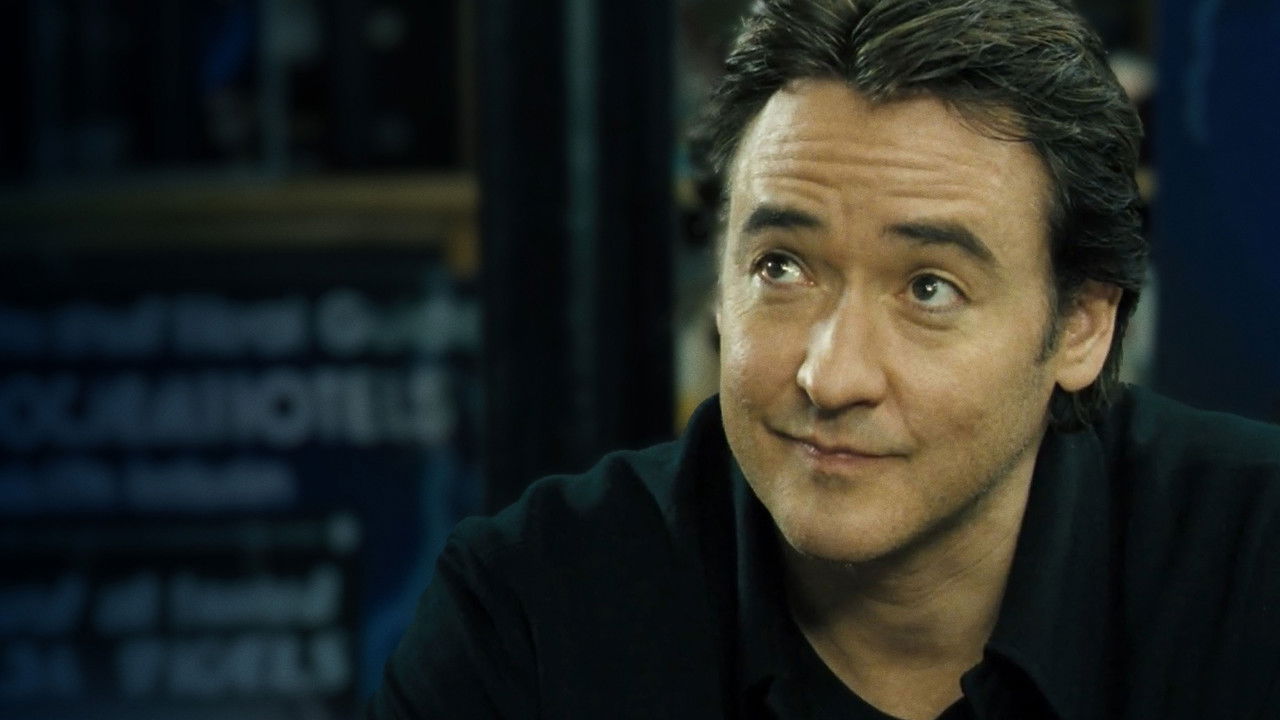
John Cusack as Mike Enslin · Samuel L. Jackson as Gerald Olin · Mary McCormack as Lilly Enslin · Jasmine Jessica Anthony as Katie · Tony Shalhoub as Sam Farrell · Len Cariou as Mike's Father · Isiah Whitlock Jr. as Hotel Engineer · Noah Lee Margetts as Bellboy
Production
di Bonaventura Pictures, Dimension Films
Reviews
No reviews yet. Be the first.
More Like This