Editorial · Article
Leviticus (2026): Streaming Release Date & Where to Watch
On digital July 28 · US theaters June 19 · Neon · Adrian Chiarella
By Alan Willey · · Updated
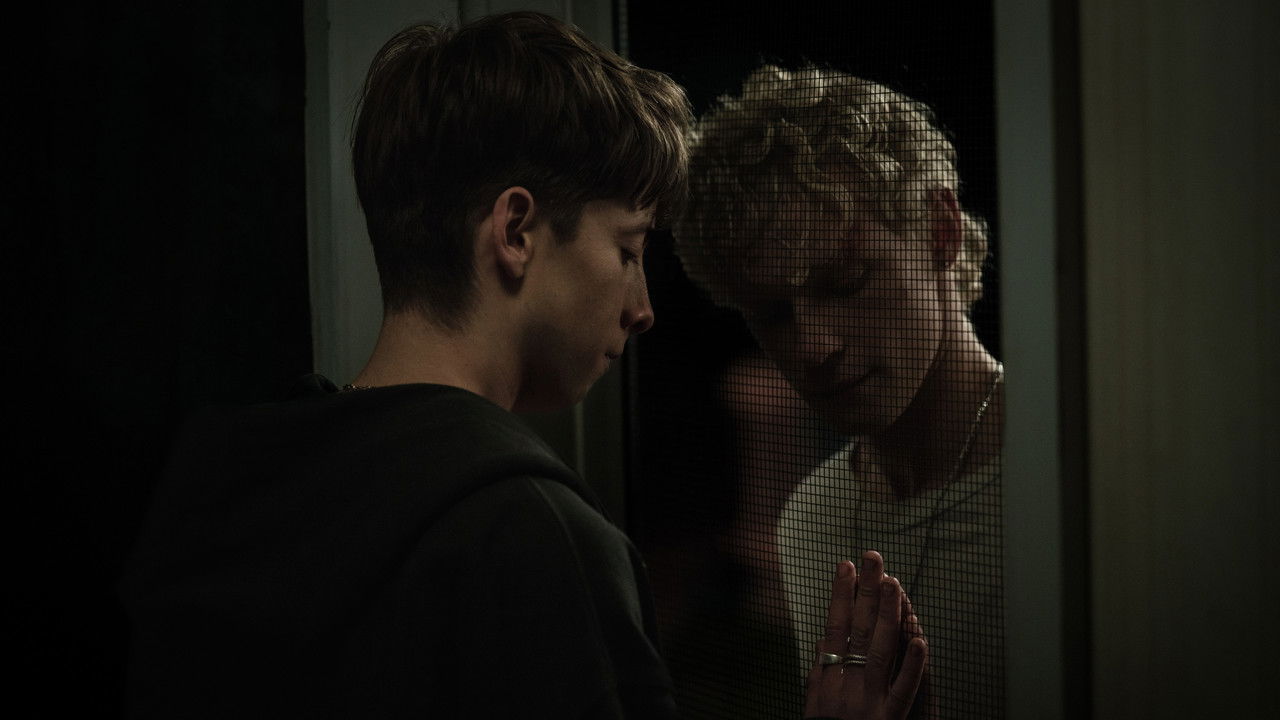
Leviticus opened in US theaters on Friday, June 19, 2026, and has been available to rent or buy on digital since July 28, 2026. It is the feature debut of Australian writer-director Adrian Chiarella. Neon acquired it at Sundance in a seven-figure deal after its Midnight premiere.
Two teenage boys in a devout rural Australian town fall in love. The church's response is a reverse exorcism, a ritual that calls a demon in rather than casting one out. The film plays conversion therapy as literal supernatural horror.
Chiarella, who is gay, has been open in press about the conversion-therapy allegory. American coverage compares the film to It Follows. The closer comparisons are Australian. The Babadook, You Won't Be Alone and Talk to Me all build their horror around grief and institutional failure more than around the creature, and Leviticus comes out of that scene.
Joe Bird, who plays Naim, is the same actor who played Riley in Talk to Me. Mia Wasikowska is both acting in the film and executive producing it.
We've seen it, and our take runs against the Sundance hype a little: Leviticus is a gay romance drama first and a horror film second, carried by two natural lead performances and a few images that stick with you. It didn't frighten us much, but it's a well-crafted debut, and we're glad we saw it. Read our full review and Watch Darkly scores.
Where to watch Leviticus: streaming, VOD, and digital release date
Leviticus is available to rent or own on digital and VOD from Tuesday, July 28, 2026, through Neon. It opened in US theaters on Friday, June 19, and the Blu-ray/4K Ultra HD combo and DVD were released on September 8, 2026.
That is about six weeks from theatrical to digital, inside the roughly 90 days Neon usually takes with its horror titles.
Our full review and Watch Darkly scores are on the film page.
Release details
Leviticus premiered January 23, 2026 in Sundance's Midnight section, then opened theatrically Friday, June 19, 2026 in the US (Neon) and a day earlier, on Thursday, June 18, in Australia (Maslow Entertainment). Predictions on Watch Darkly closed when the film first opened, on June 18. The film comes out of Causeway Films and Salmira Productions, with funding from Screen Australia and VicScreen. Runtime is 88 minutes, short for a Sundance Midnight premiere, which typically runs 100 to 110.
Neon paying seven figures at Sundance for an Australian debut matters because of how Neon handles its horror titles. Longlegs grossed $127 million worldwide on a small budget, and Neon's marketing campaign in the months before release gets much of the credit for that. That campaign is why I went and saw Longlegs in theaters before reading reviews. I still can't forgive the critic who compared it to Silence of the Lambs. How dare you, sir (or ma'am). Saint Maud, Possessor, and The Lodge also got marketing pushes small films rarely see.
The Sundance Midnight pedigree
The Midnight section at Sundance launched in 1991 and is programmed for horror and genre films, the ones programmers expect to play well at a late-night screening with a packed house. Recent breakouts include Talk to Me (2023) and Late Night with the Devil (2023). Earlier years produced Hereditary, The Babadook, and Mandy.
A Midnight premiere puts a film in front of an audience that came to be scared and press that covers whatever stands out from the section. Leviticus got strong reviews out of it, and Neon's seven-figure acquisition followed.
What is Leviticus about?
Naim (Joe Bird, actor from Talk to Me) gets dragged to a conservative rural Australian town by his fundamentalist mother, and falls for Ryan (Stacy Clausen), a boy from the same church. The church responds to what it deems "sin" by invoking an entity that takes the form of the person each boy desires most, which for Naim and Ryan is each other. The entity attacks when they act on that desire, so loving each other is what puts them in danger. The parallel to gay conversion therapy is one Chiarella has discussed in press, and the film treats the church's practice, rather than the entity, as the source of the harm. It is a clear example of queer horror, where the supernatural threat stands in for a real-world one.
Conversion therapy is a real practice that attempts to change a person's sexual orientation or gender identity to heterosexual or cisgender. It rests on the false premise that being LGBTQ+ is an illness or a choice rather than a variation of human identity.
The It Follows comparison
Coverage of Leviticus so far draws comparisons to It Follows (2014). I'm not 100% convinced, but I have to acknowledge some overlap. Both films build their fear around an entity that wears the face of another person. The difference is whose face: in Leviticus it is someone deeply personal, and in It Follows it is usually a stranger.
Both films also use the entity to stand for something the story doesn't state outright: sexual transmission in It Follows; religious authority, hypocrisy, and queer desire in Leviticus. Tonally, It Follows is anxious and draining, while Leviticus is quieter and sadder. At Sundance the film drew words like "devastating" and "tender," which is not how It Follows is usually described.
Adrian Chiarella's debut
This is Chiarella's first feature. There is no prior feature work to compare it against, which is normal for a Sundance Midnight debut. The festival has been the entry point for first-time horror directors for years (Ari Aster with Hereditary, Robert Eggers with The Witch, Danny and Michael Philippou with Talk to Me). Leviticus stands out in that company for its craft and its performances rather than its scares.
The score is from Jed Kurzel, whose credits include The Babadook, Macbeth, and Animal Kingdom. His score here is restrained and austere, and it carries a lot of the film's weight.
Mia Wasikowska is attached as both an actor and an executive producer. Australian horror over the last decade (The Babadook, You Won't Be Alone, Talk to Me) has been supported by established names who choose to work on it and invest in it. Her signing on at that level puts Leviticus in the same pattern.
Related films on Watch Darkly
It Follows(2014)
The comparison most Leviticus reviews make. Both films use a relentless entity in human form to stand for something the story never states outright.
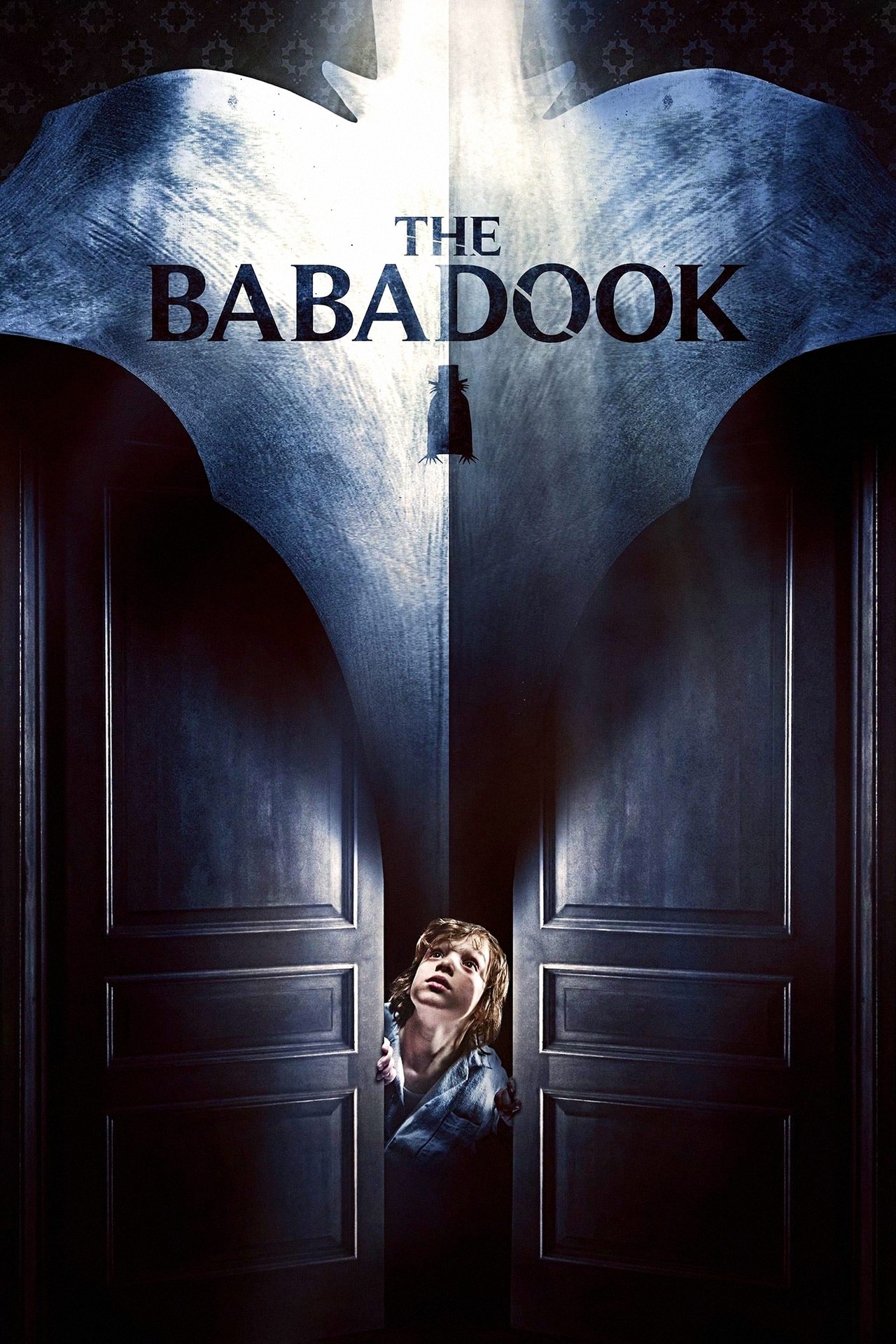
The Babadook(2014)
Australian horror built on grief and institutional failure more than on its creature. The modern run of Australian horror that Leviticus is placed in starts here.
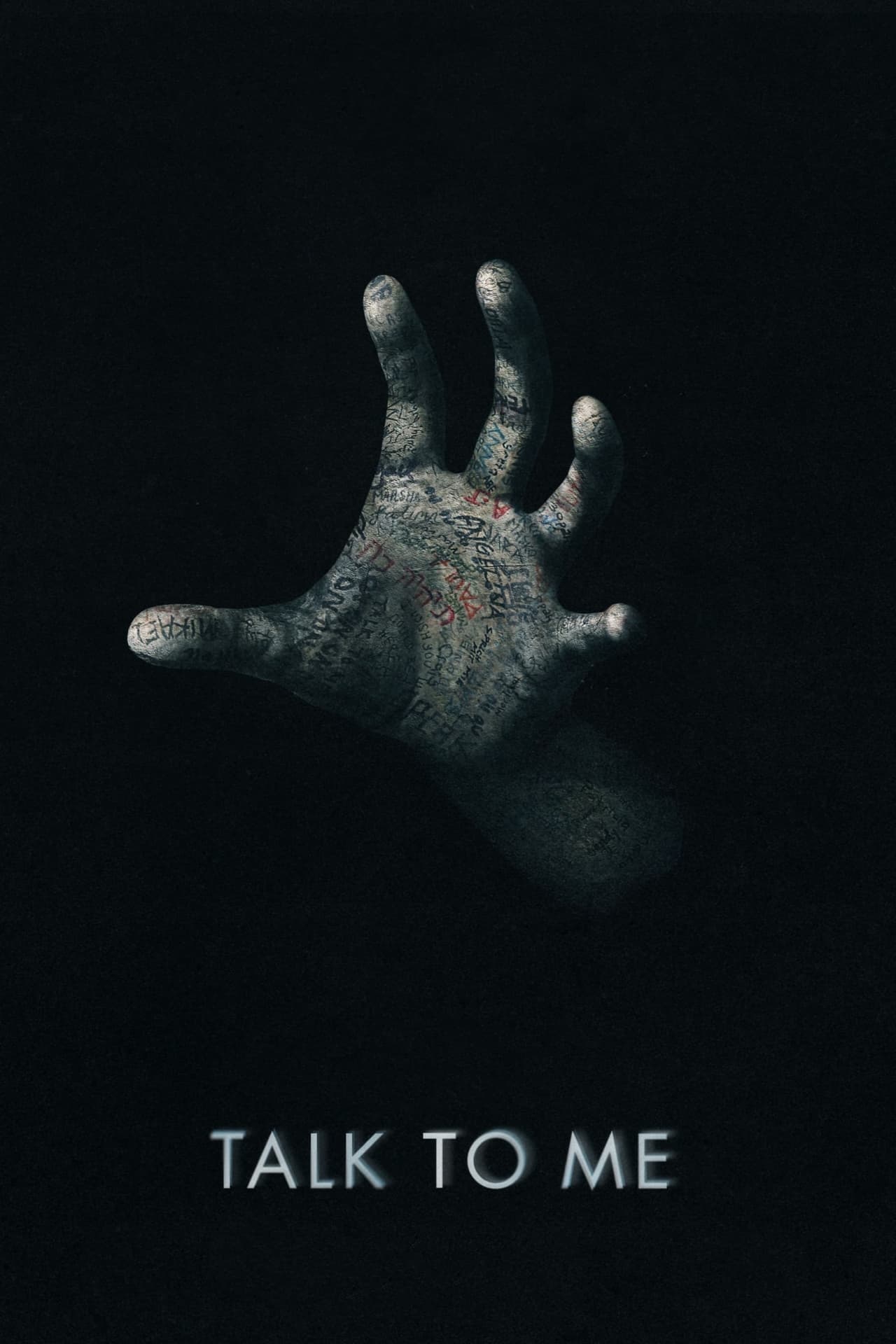
Talk to Me(2022)
The most recent Sundance Midnight horror debut to become a real theatrical hit. The Leviticus rollout followed a similar shape: a small Australian debut feature with festival pedigree, picked up and marketed by a US distributor.
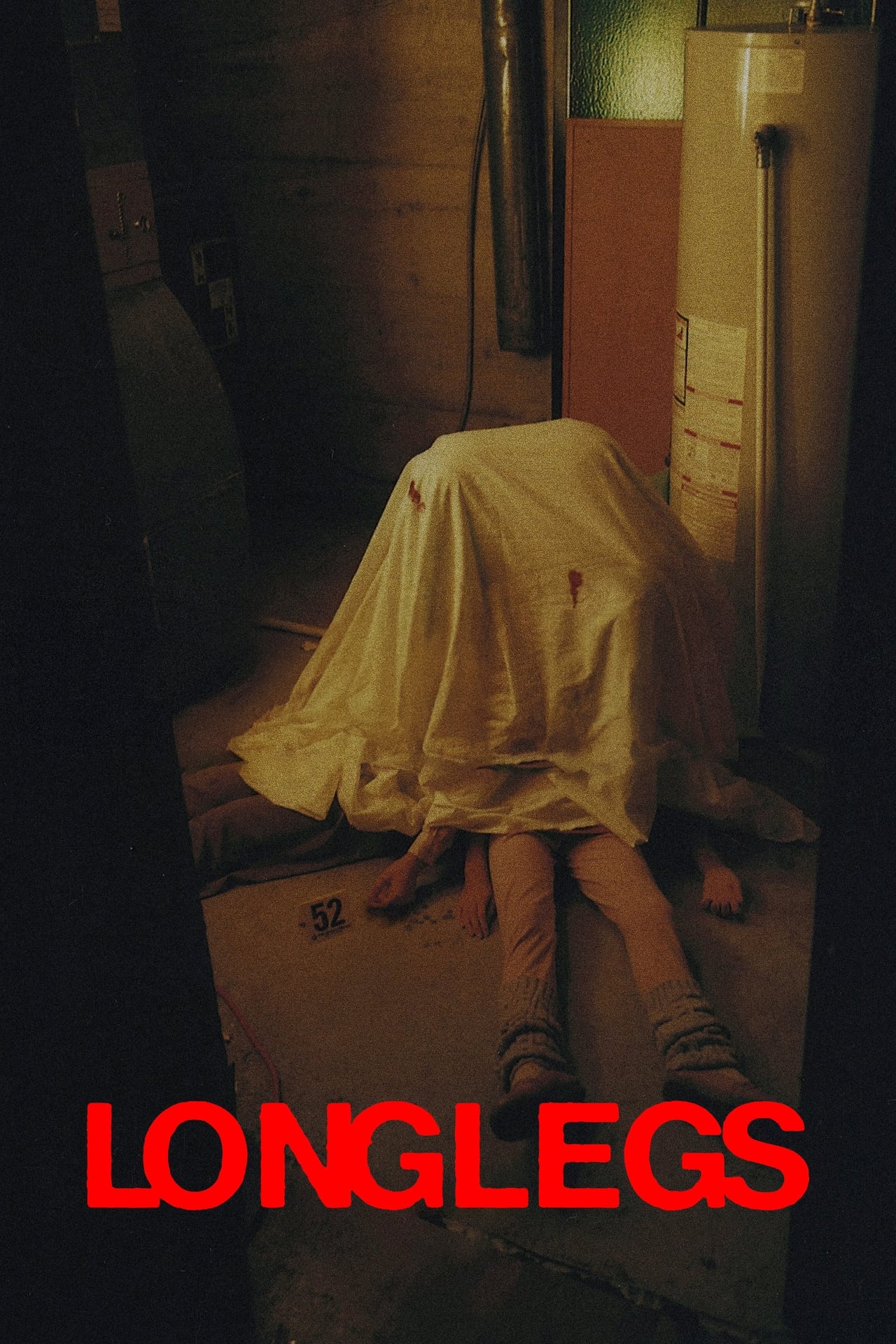
Longlegs(2024)
Neon's biggest horror hit to date, and evidence that the studio will market an unusual film to a wide audience. Leviticus is getting a version of the same treatment.
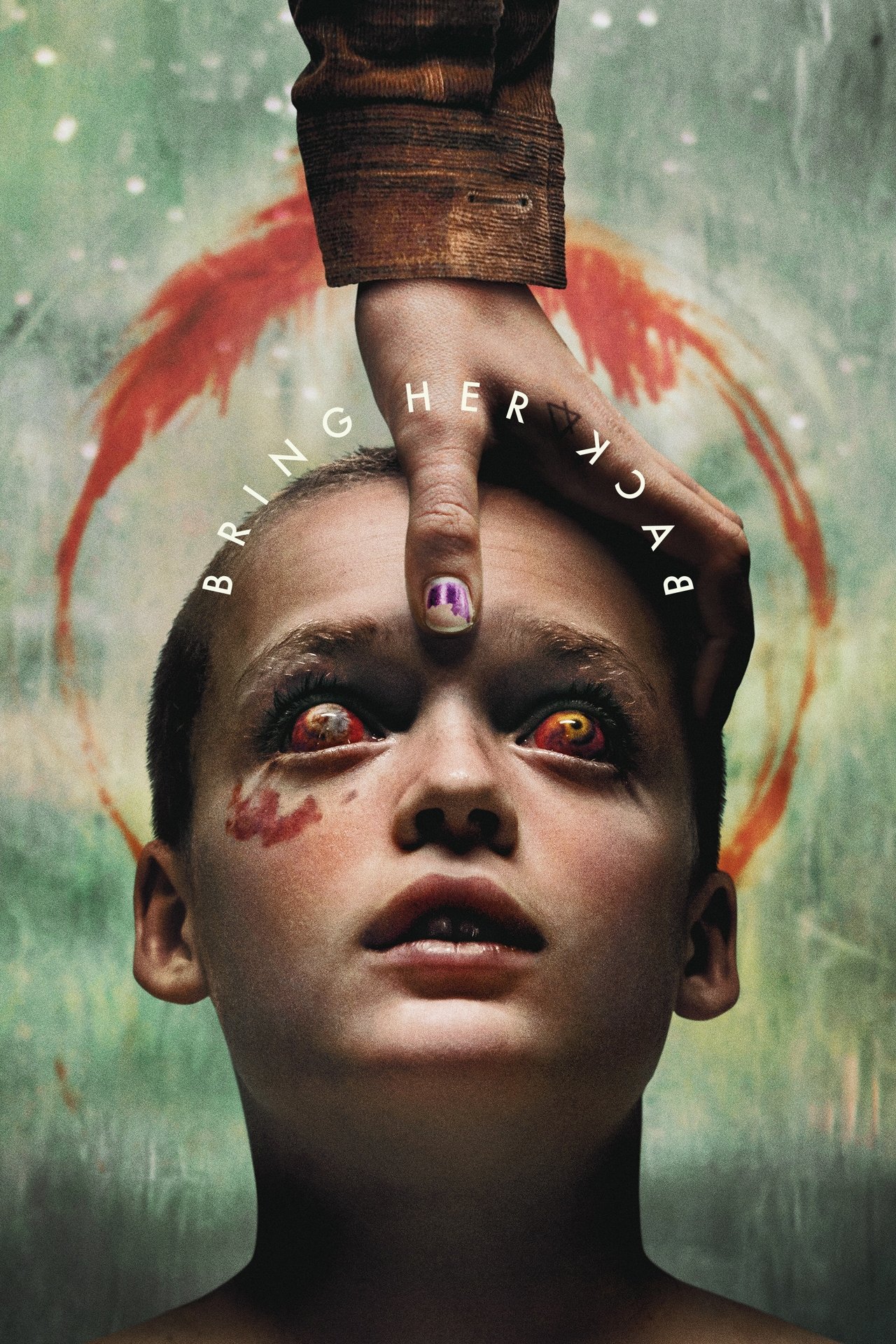
Bring Her Back(2025)
The Philippou brothers' follow-up to Talk to Me, and Causeway Films' most recent horror before Leviticus. It is the closest current picture of the Australian scene Leviticus comes out of.

Common questions
- When did Leviticus come out?
- Leviticus opened Friday, June 19, 2026, in US theaters, distributed by Neon. Australian theatrical opened a day earlier, on Thursday, June 18, through Maslow Entertainment.
- When did Leviticus first come out?
- It premiered January 23, 2026, in the Midnight section of the Sundance Film Festival. That's its "initial release." The theatrical opening comes later: June 18, 2026 in Australia and June 19, 2026 in the US.
- Is Leviticus scary?
- It is not very scary, at least not in the jump-scare sense. We scored its Fear low. It plays far more as a romance drama than as a horror film, with the tension coming from dread and situation rather than from scares. Critics gave it a 92% Rotten Tomatoes score and called it "nerve-shredding," but that is the critics' read. Our own Fear and Atmosphere scores are on the film page.
- Is Leviticus a gay or queer horror film?
- Yes. It's a queer coming-of-age horror: two teenage boys in a devout rural Australian town fall in love, and the church's response summons an entity that hunts each boy in the form of the person he desires most, which for these two is each other. Writer-director Adrian Chiarella is gay and open in press about the conversion-therapy allegory at its center.
- When do predictions on Leviticus close?
- Predictions closed when the film first opened, on Thursday, June 18, 2026 (the Australian release, a day before the US). They are locked now. You can rate the film instead.
- Who directed Leviticus?
- Adrian Chiarella. It's his feature debut. He also wrote it.
- What is Leviticus about?
- Two teenage boys in a devout rural Australian town fall in love. The church sends them to a 'deliverance healer' whose ritual is a reverse exorcism, one that calls a demon in rather than casting it out. The entity it leaves behind takes the form of the person each of them desires most, which for the two boys is each other. It is queer horror built on a conversion-therapy mechanic.
- What is the demon in Leviticus?
- The demon is never named. The 'deliverance healer' the church sends the boys to performs a reverse exorcism, a ritual that calls a demon in rather than casting it out. The entity it leaves behind takes the form of whoever each boy desires most, and it attacks when they act on that desire.
- Is Leviticus based on a true story?
- No. The conversion-therapy practices the film draws on are real and well-documented, but the story itself is original.
- Who's in the cast?
- Joe Bird and Stacy Clausen play the two leads (Naim and Ryan). Mia Wasikowska is in a key supporting role. Ewen Leslie, Tyallah Bullock, and Davida McKenzie round out the principal cast.
- What is Leviticus's budget?
- Leviticus was made for about $3.5 million, funded as part of Screen Australia's 2024-25 production slate and produced by Causeway Films with co-financing from Salmira Productions and post support from VicScreen. That is separate from what it cost to distribute: Neon acquired worldwide rights outside Australia and New Zealand at Sundance in a deal reported around $5 million, so the acquisition price ran higher than the film's production cost. Against that $3.5 million budget, Leviticus has grossed about $5.8 million worldwide (per Box Office Mojo), already well past what it cost to make.
- When will Leviticus be on streaming?
- As of September 21, 2026, no subscription streaming date has been announced. Leviticus has been available to rent or own on digital since July 28, 2026, but that is a paid rental or purchase, not a subscription. Neon has not named a service or a date for that, so we are not estimating one. We will update this once Neon confirms it.
- Where can I watch Leviticus right now?
- You can rent or own it on digital through Neon, where it arrived Tuesday, July 28, 2026, listed on Amazon Video, Apple TV, and Fandango at Home. As of September 21, 2026, no subscription service includes it. The 4K Ultra HD, Blu-ray, and DVD were released on September 8, 2026.
- How does Leviticus compare to It Follows?
- They share a setup more than a mechanic: a relentless entity in human form that the protagonist cannot outrun, standing in for something the story never says outright. The difference is whose form it takes. In It Follows the entity appears as random people, usually strangers, passed along through sex. In Leviticus it takes the shape of the one person each boy loves, and comes for them when they act on that desire. The metaphors differ too: sexual transmission in It Follows, religious authority and queer desire in Leviticus. It Follows is anxious and propulsive, and Leviticus is quieter and more intimate.
- Who scored Leviticus?
- Jed Kurzel, whose previous credits include The Babadook, Macbeth, and Animal Kingdom. He specializes in brooding, atmospheric scores that avoid jump-cue stings. His work here is restrained and austere, and it does a lot to set the film's tone.
- What is Sundance's Midnight section?
- Sundance Midnight is the festival's programming slot for horror and genre films meant to play to a packed late-night screening. It has been the launch pad for Hereditary, The Babadook, Mandy, Talk to Me, and Late Night with the Devil, among others. Selection signals that programmers expect a strong audience reaction, and distributors watch the section closely for horror acquisitions.
- Why is the film called Leviticus?
- Leviticus is the third book of the Old Testament and contains the verses most often cited as biblical condemnation of homosexuality (notably Leviticus 18:22 and 20:13). The title points to the source of those condemnations, the same scripture the church in the film invokes to "correct" the boys.