Editorial · Ranked List
The Intensity Index 2026: 13 Horror Movies That Barely Bleed
By Alan Willey ·
Horror sites rank films by how much blood is on screen because blood is easy to count. It is a bad proxy for how hard a film is to sit through. We score every film we watch on a separate Intensity axis, which measures the felt severity of the ordeal — violence, cruelty, and emotional devastation together — and it turns out to have almost nothing to do with gore. This index ranks the thirteen films in our catalog with the widest gap between the two: high Intensity, low Gore. Three of them, Requiem for a Dream, We Need to Talk About Kevin and Prisoners, are adjacent horror rather than horror proper. They are in the catalog for what they offer horror fans, and they belong here because intensity does not care about genre. Requiem for a Dream (2000) leads at 8.9 Intensity against 1.0 Gore, a gap of 7.9. The Texas Chain Saw Massacre (1974) sits third at 1.0 Gore, which surprises people who remember it as a bloodbath and have not rewatched it. Two films score a perfect 10 on Intensity while staying at 4.0 or under on Gore: Sinister (2012) and Possession (1981). One honest caveat before you use these numbers: this is a critic's index, not a study. Intensity is scored by hand from a full viewing, and every film below carries exactly one curator's Intensity score, out of 198 films scored on the axis so far.
- 01
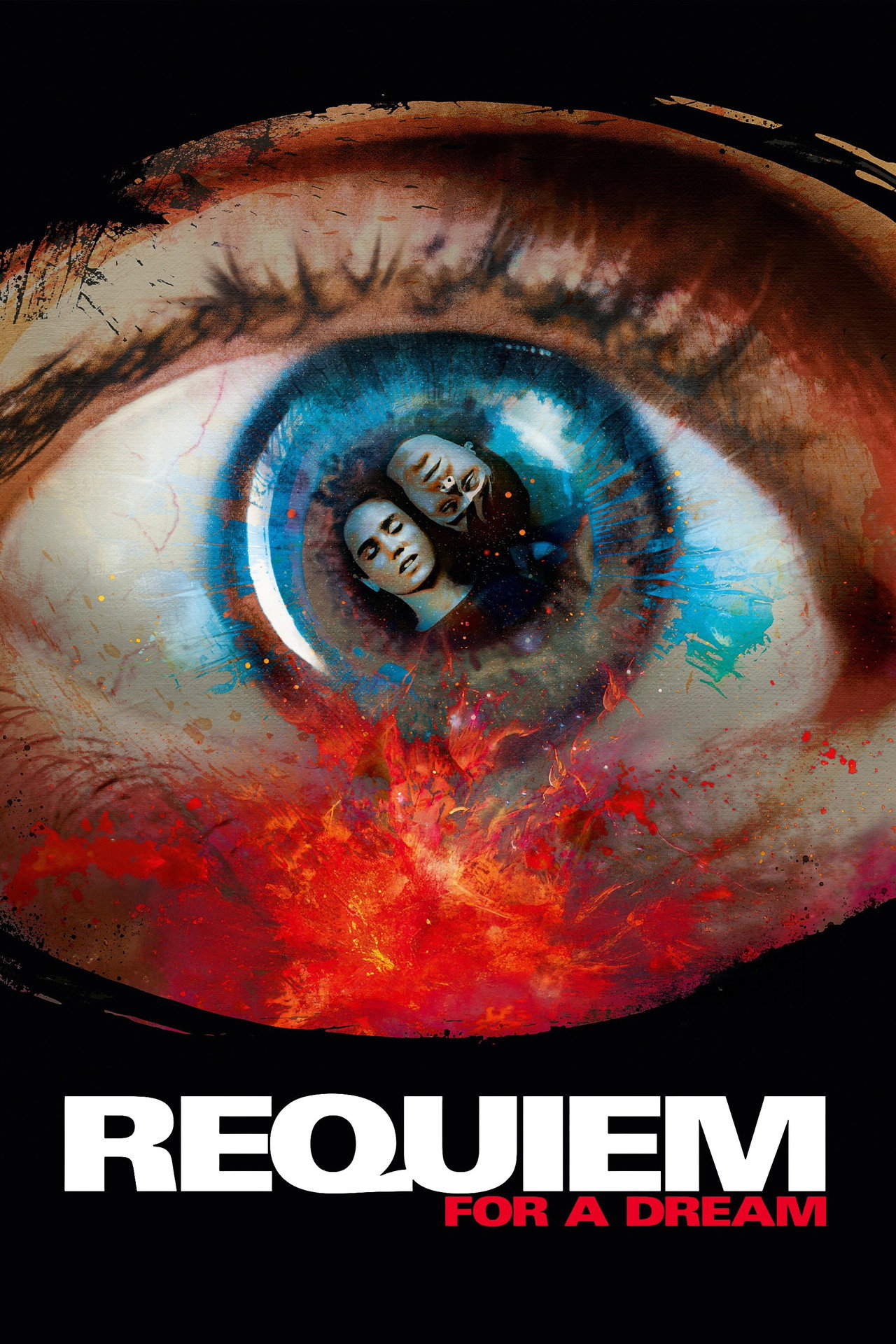
Requiem for a Dream(2000)
The widest gap in the catalog at 8.9 Intensity against 1.0 Gore. Almost nothing bleeds and there is no killer in it, and it is still the hardest watch here. It is the clearest argument for scoring ordeal separately from blood: by a gore metric this barely registers as horror, and by any honest account of what it does to a viewer it outranks most of the genre.
- 02
The Skin I Live In(2011)
Almodovar's surgical revenge story, scored 8.0 on Intensity against 1.0 on Gore. The violence is mostly off screen or already done by the time you understand it, which is exactly why it lands so hard. The cruelty is structural rather than visual.
- 03
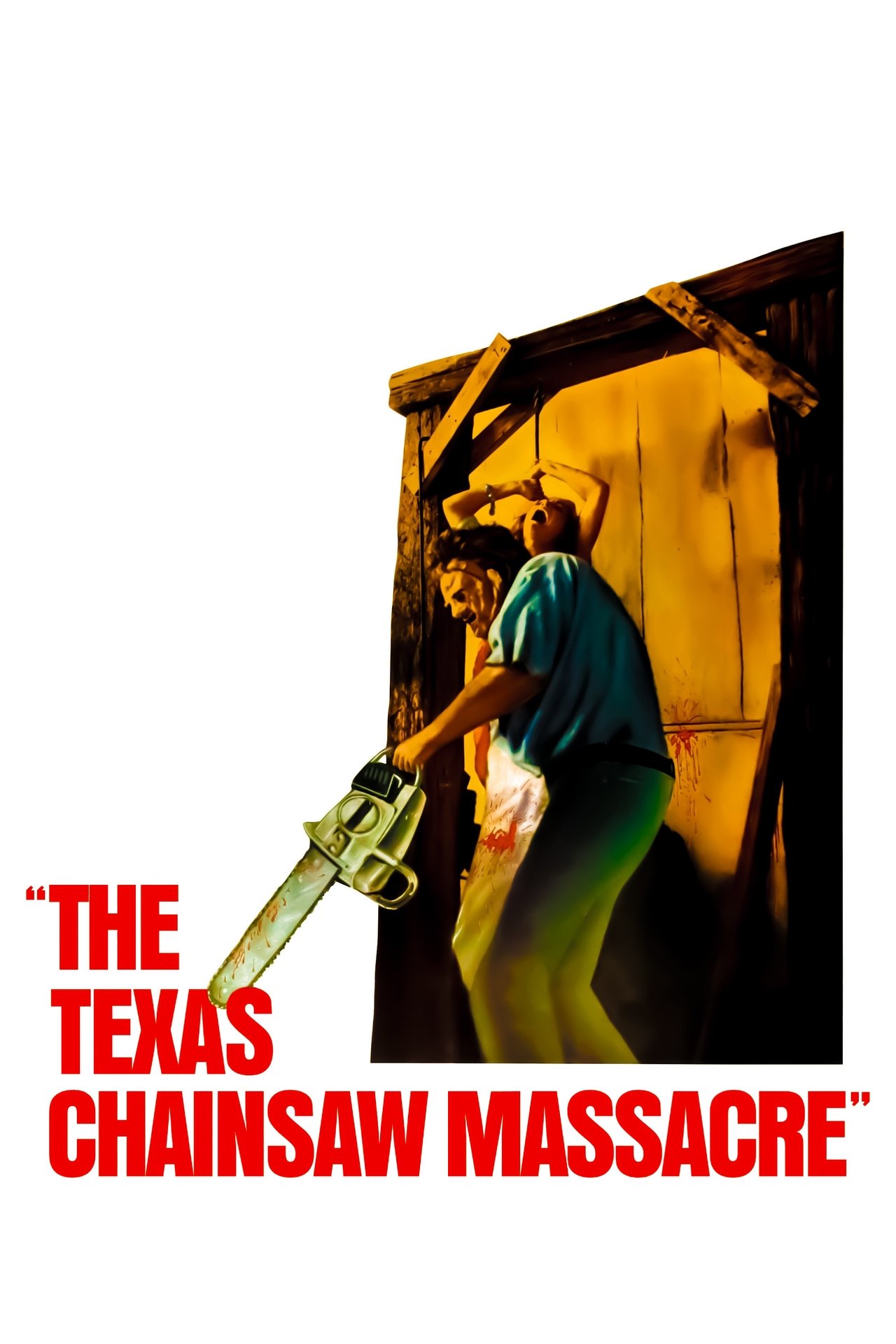
The Texas Chain Saw Massacre(1974)
The entry that makes people check the numbers. Tobe Hooper's original scores 1.0 on Gore, because it almost never shows the violence it makes you believe you saw. The reputation comes from the noise, the heat and the relentlessness, all of which is Intensity, at 7.1 here.
- 04
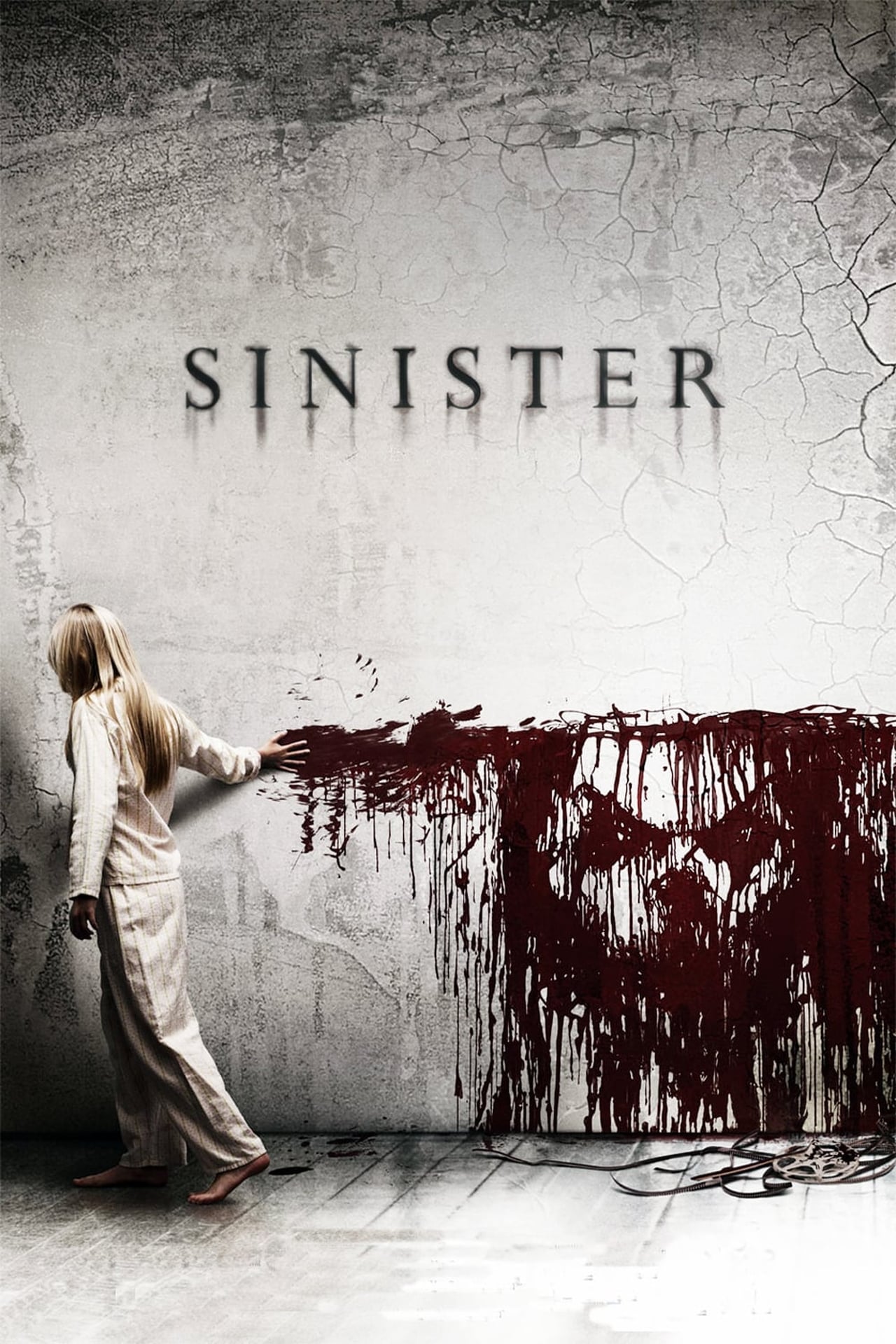
Sinister(2012)
One of two perfect 10s on Intensity in this index. Almost all of its severity is carried by the home-movie footage the writer keeps watching, which is horrifying in what it implies rather than what it depicts. Our highest-Fear film as well, at 9.5.
- 05
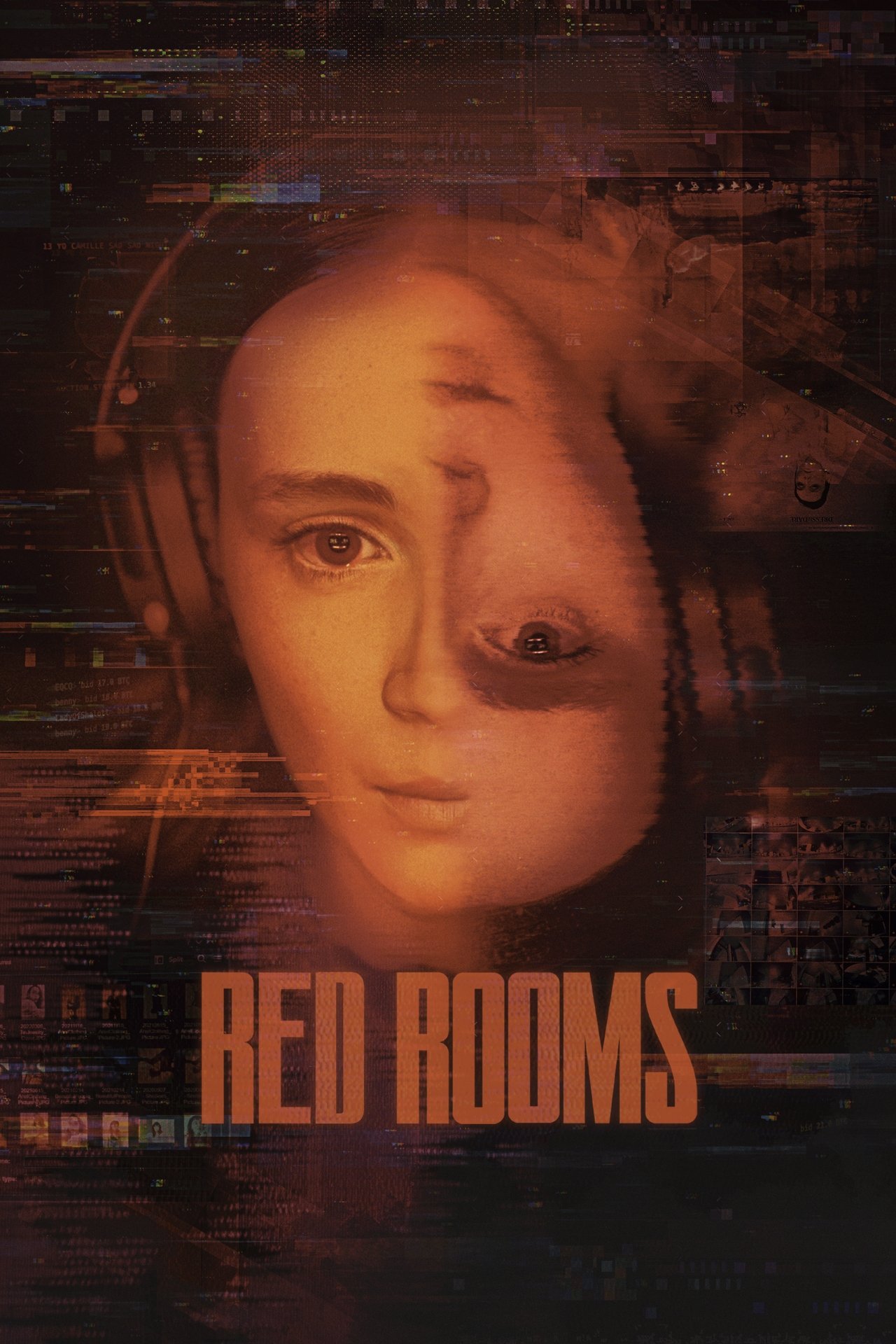
Les Chambres rouges(2023)
A courtroom procedural about a murder trial and the woman fixated on it. Nothing violent happens on screen at all; the ordeal is entirely in what is described and in how calmly the film watches its protagonist. 7.0 Intensity on 1.0 Gore.
- 06
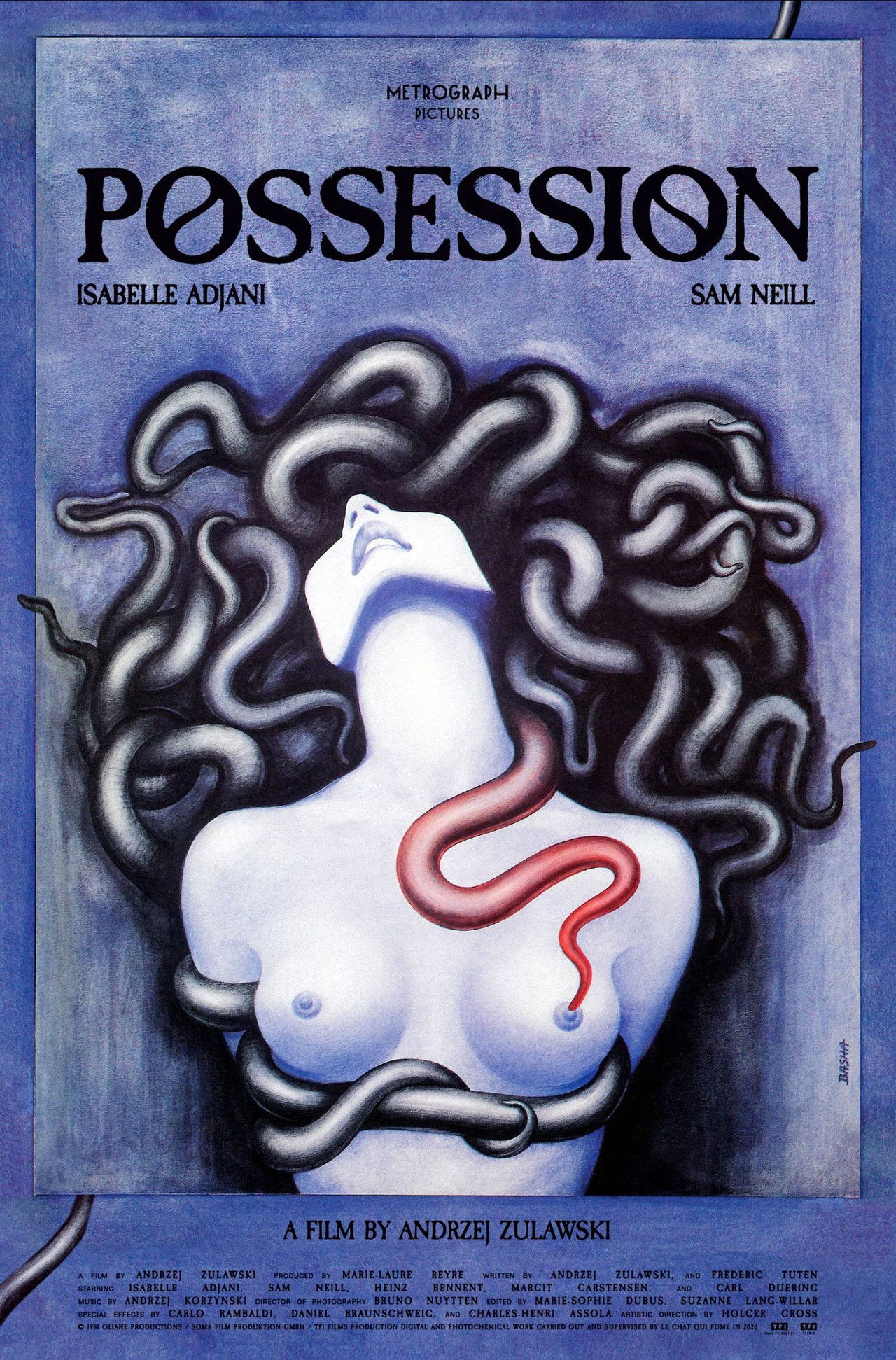
Possession(1981)
The other perfect 10. A marriage disintegrating at a pitch most films could not sustain for five minutes, let alone two hours. The famous subway sequence is not bloody and is still among the most punishing things in the catalog.
- 07
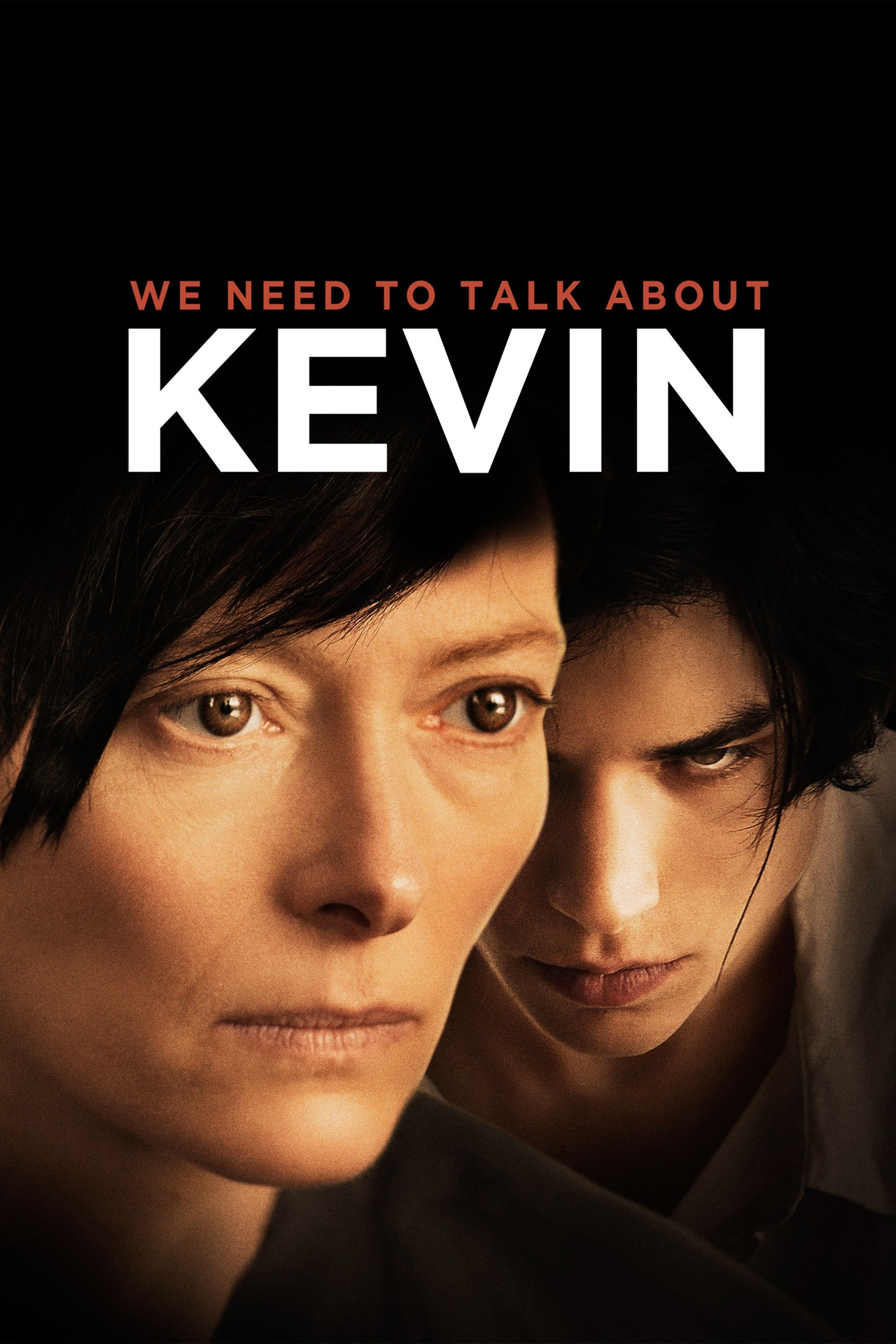
We Need to Talk About Kevin(2011)
A mother reconstructing her son and what he did. The film withholds the event almost entirely and spends its length on the aftermath, which is why it scores 7.0 on Intensity while staying at 1.0 on Gore.
- 08
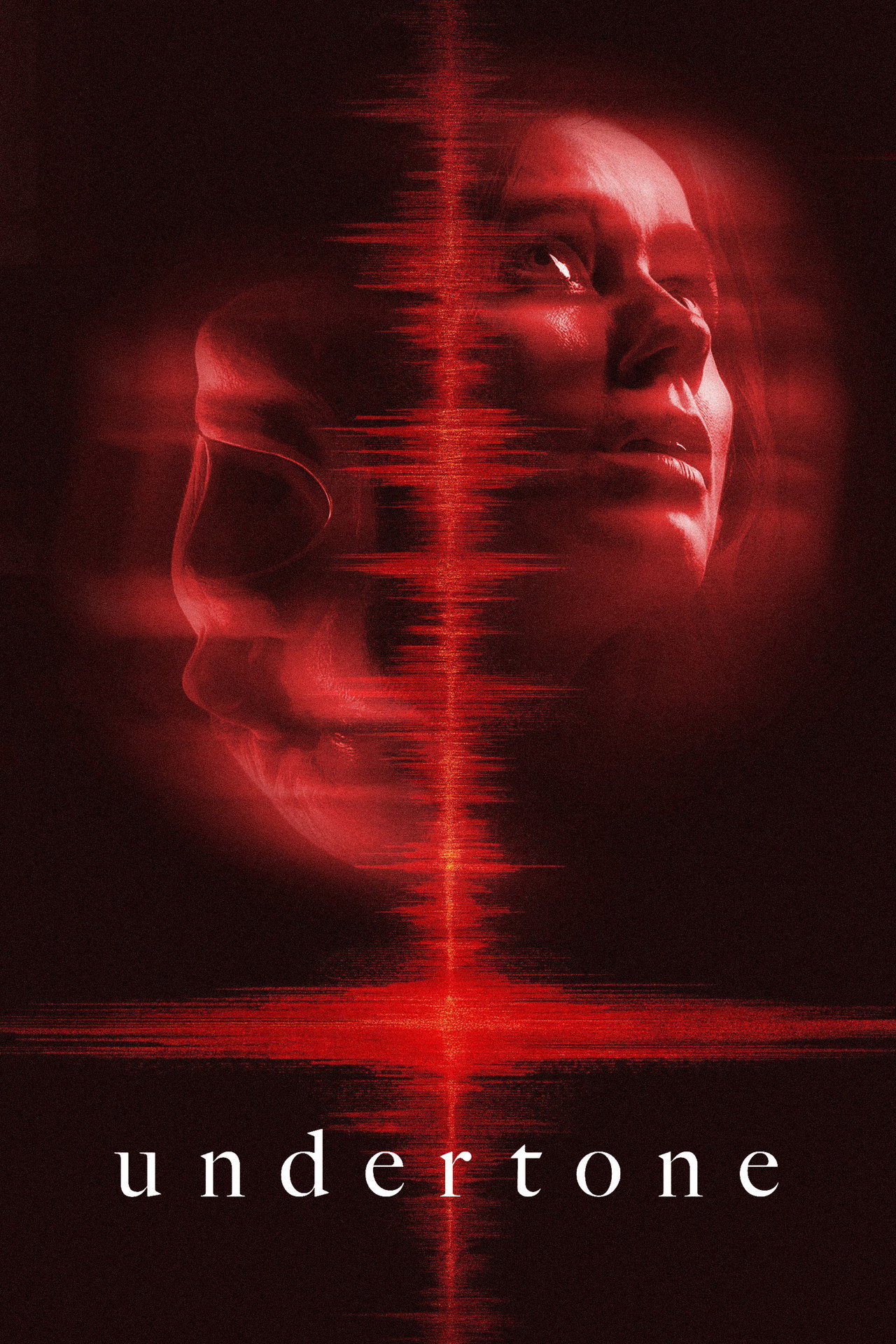
undertone(2025)
The newest film in the index and the least seen. It earns its place the same way the rest do, by being far harder to sit through than its Gore score of 1.5 would suggest.
- 09
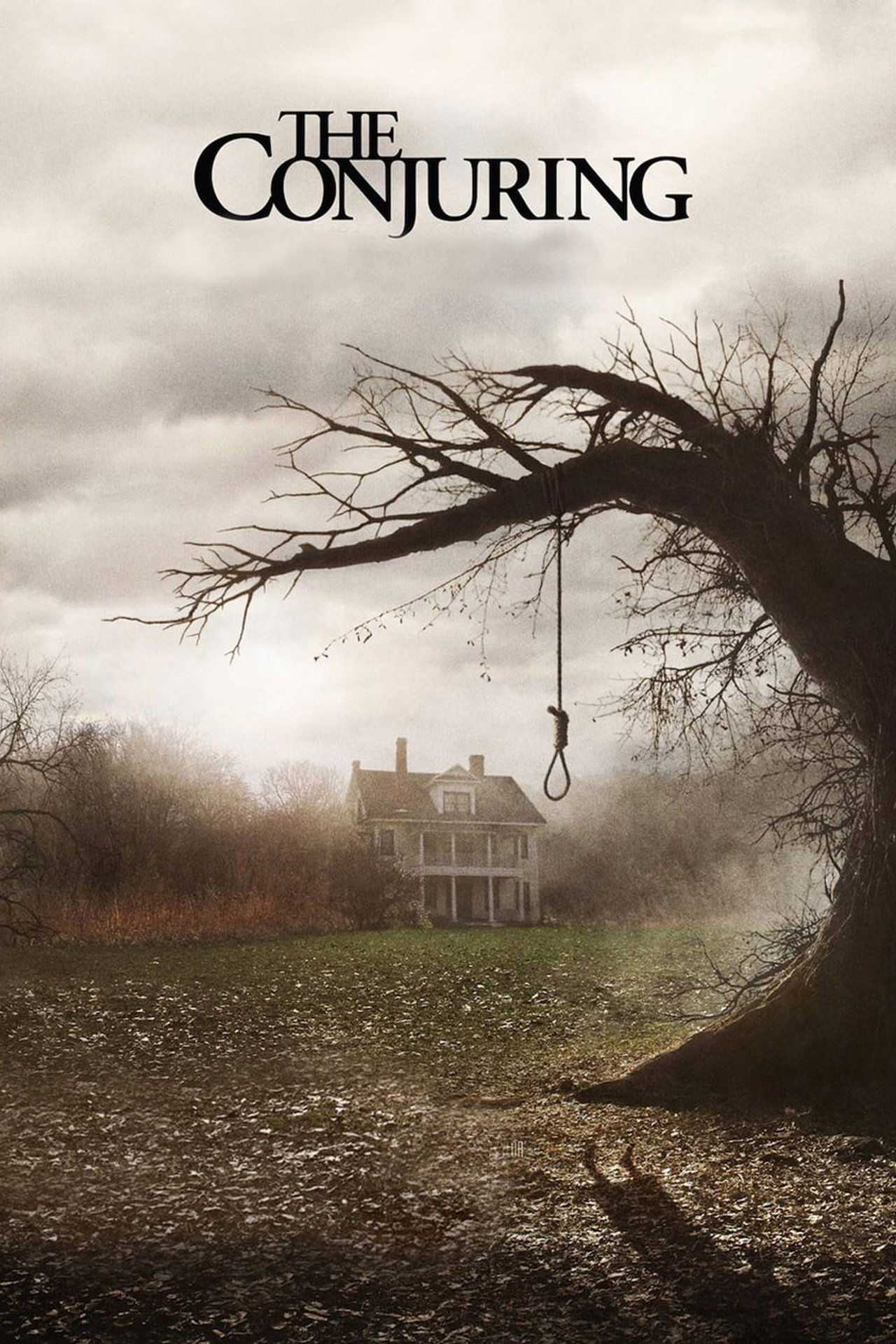
The Conjuring(2013)
A mainstream haunted-house film on a list like this is a useful reminder that Intensity is not a measure of extremity. It is sustained, loud and relentless in the second half, at 7.5, while keeping Gore to 2.0. It also scores 8.3 overall and 9.0 on Fear, which ties it with A Nightmare on Elm Street for the second-highest Fear score in the catalog, behind Sinister.
- 10
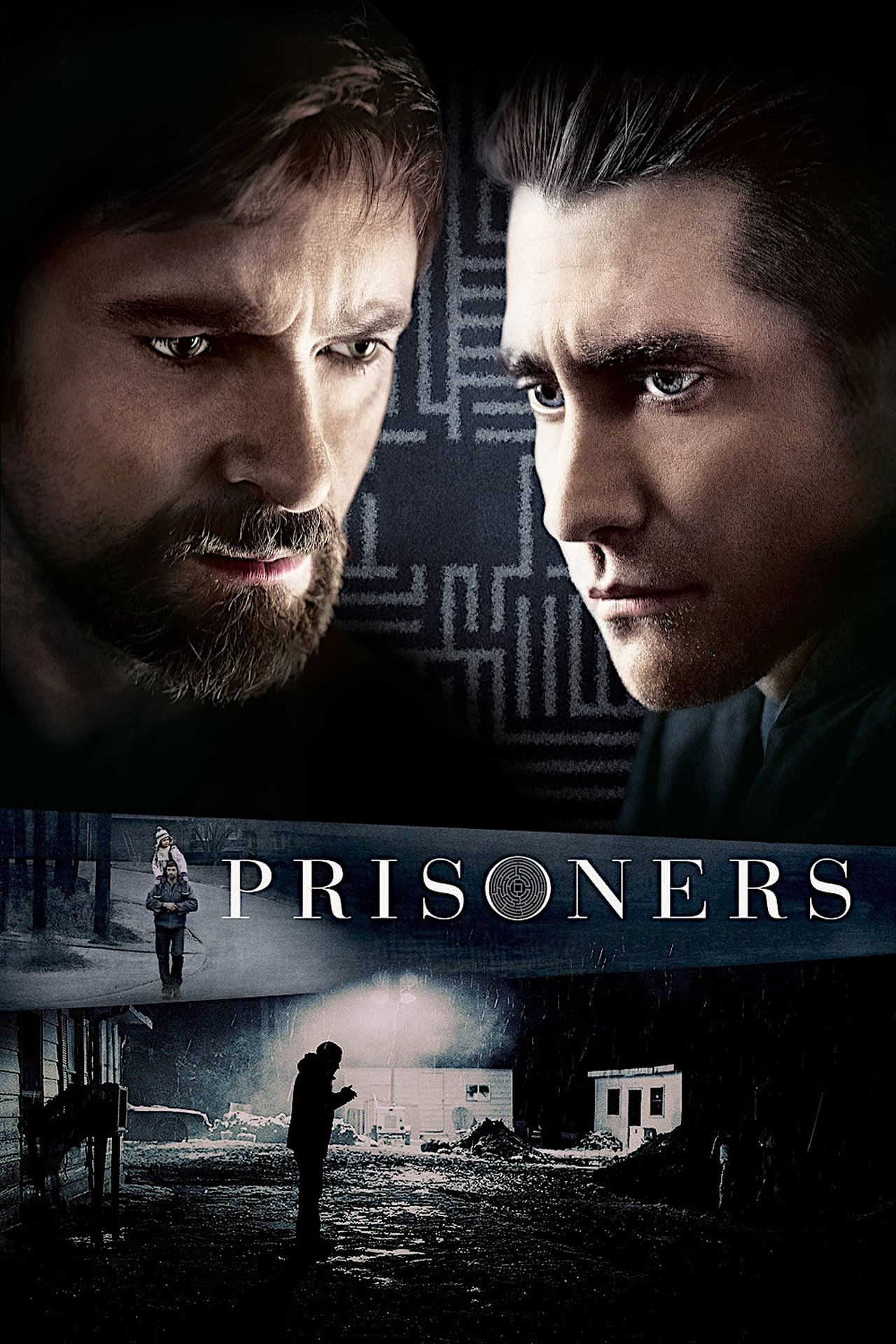
Prisoners(2013)
A father's search for his abducted daughter, and what he is prepared to do to a man who may know nothing. 8.5 Intensity on 3.0 Gore. The worst of it is deliberate, prolonged and almost entirely about what the camera declines to enjoy.
- 11
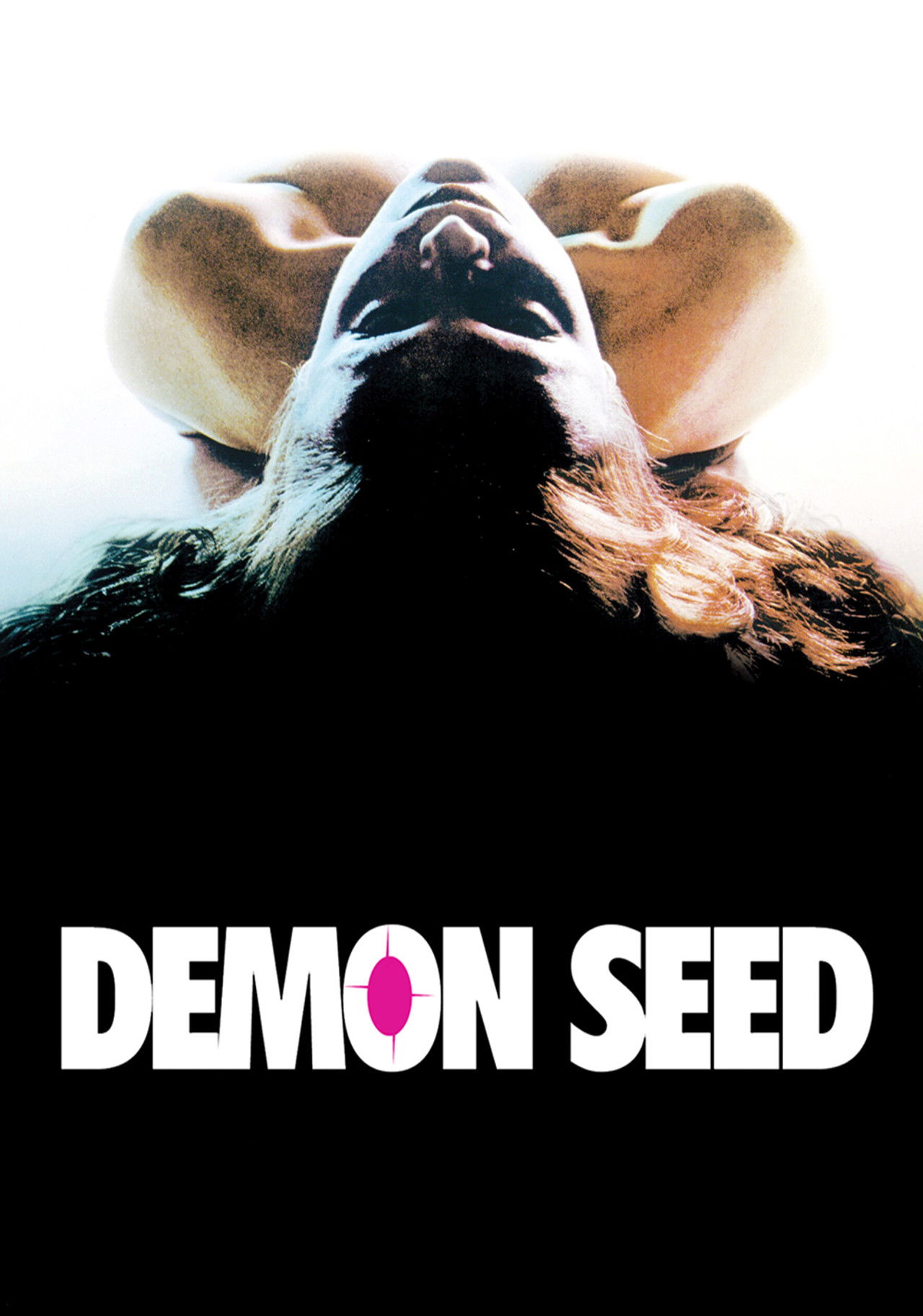
Demon Seed(1977)
A 1977 film about an AI that imprisons a woman in her own automated house. The premise reads as dated science fiction and plays as sustained coercion, which is where the 7.5 comes from on a Gore of 2.5.
- 12
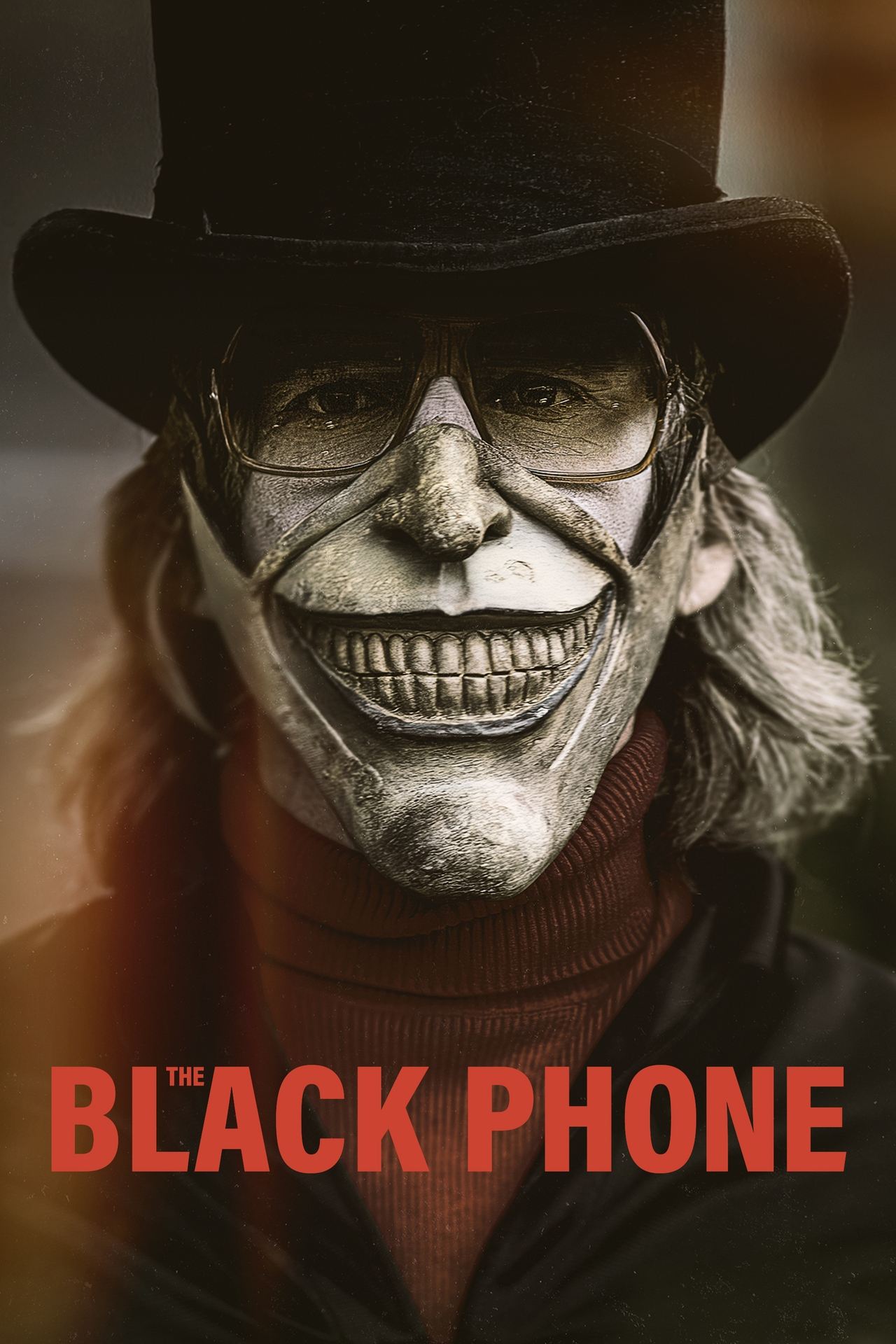
The Black Phone(2021)
A boy in a basement with a disconnected phone. The ordeal is captivity and the steady arithmetic of what has happened to the children before him, none of which needs to be shown. 7.5 Intensity, 3.05 Gore.
- 13
The Conjuring: Last Rites(2025)
The most recent Conjuring entry, and like the first it earns its Intensity through duration and volume rather than through blood. Included because the pattern holding across a franchise twelve years apart is itself part of the finding.


Common questions
- What is the Intensity score?
- It is one of the five axes we score every watched film on, alongside Fear, Gore, Atmosphere and an Overall. Intensity measures the felt severity of the ordeal: violence, cruelty and emotional devastation taken together. It exists because the other axes could not describe a film that is brutal without being bloody. A film can be terrifying without being intense, like a jump-scare-driven ghost story, and intense without being frightening at all, like Requiem for a Dream.
- How is this ranked?
- By the gap between Intensity and Gore, highest first. Requiem for a Dream leads with 8.9 Intensity against 1.0 Gore, a gap of 7.9. Ranking on the gap rather than on Intensity alone is what makes this a list about brutality without blood, rather than a list of the most intense films full stop, which would be topped by the goriest.
- Is this a scientific study?
- No, and it should not be cited as one. It is a critic's index. Intensity is scored by hand after a full viewing rather than measured, every film in this ranking carries exactly one curator's Intensity score, and the axis covers 198 films of a 568-film catalog so far. What it offers is not statistical weight but a distinction nobody else publishes: severity scored separately from blood.
- Why is The Texas Chain Saw Massacre scored 1.0 on Gore?
- Because it almost never shows the violence. The 1974 original builds its reputation on sound, duration and implication, and viewers reliably remember carnage the film does not contain. It is the clearest case in the catalog of gore and intensity being different things, which is why it sits third here.
- How is this different from your scary-but-not-gory guide?
- That guide ranks on Fear against Gore; this one ranks on Intensity against Gore. Fear is about being frightened, Intensity is about being put through something. The lists overlap less than you would expect: Requiem for a Dream is barely frightening and tops this index, while a film can be terrifying and leave you fine afterwards.