I've struggled with defining folk horror, and I think the difficulty is trying to fit all the pieces neatly into a box. Just when I think I've grasped it, another folk horror film comes along and breaks my understanding. It's one of those "I can't explain it, but I'll know it when I see it". But since we're making a top folk horror list, that's not good enough so I'll attempt to make a framework for what constitutes a folk horror film.
Unlike "slashers" or "creature-feature" subgenres, folk horror isn't self-explanatory nor is it as prevalent. You may have heard "The Witch" and "Midsommar" are (modern) examples — but why? They're outdoorsy? They lack traditional jump scares? They're "slower" paced? I think the best way to define folk horror is coming up with prevalent themes that occur naturally in these films and contribute to that "folk horror feeling".
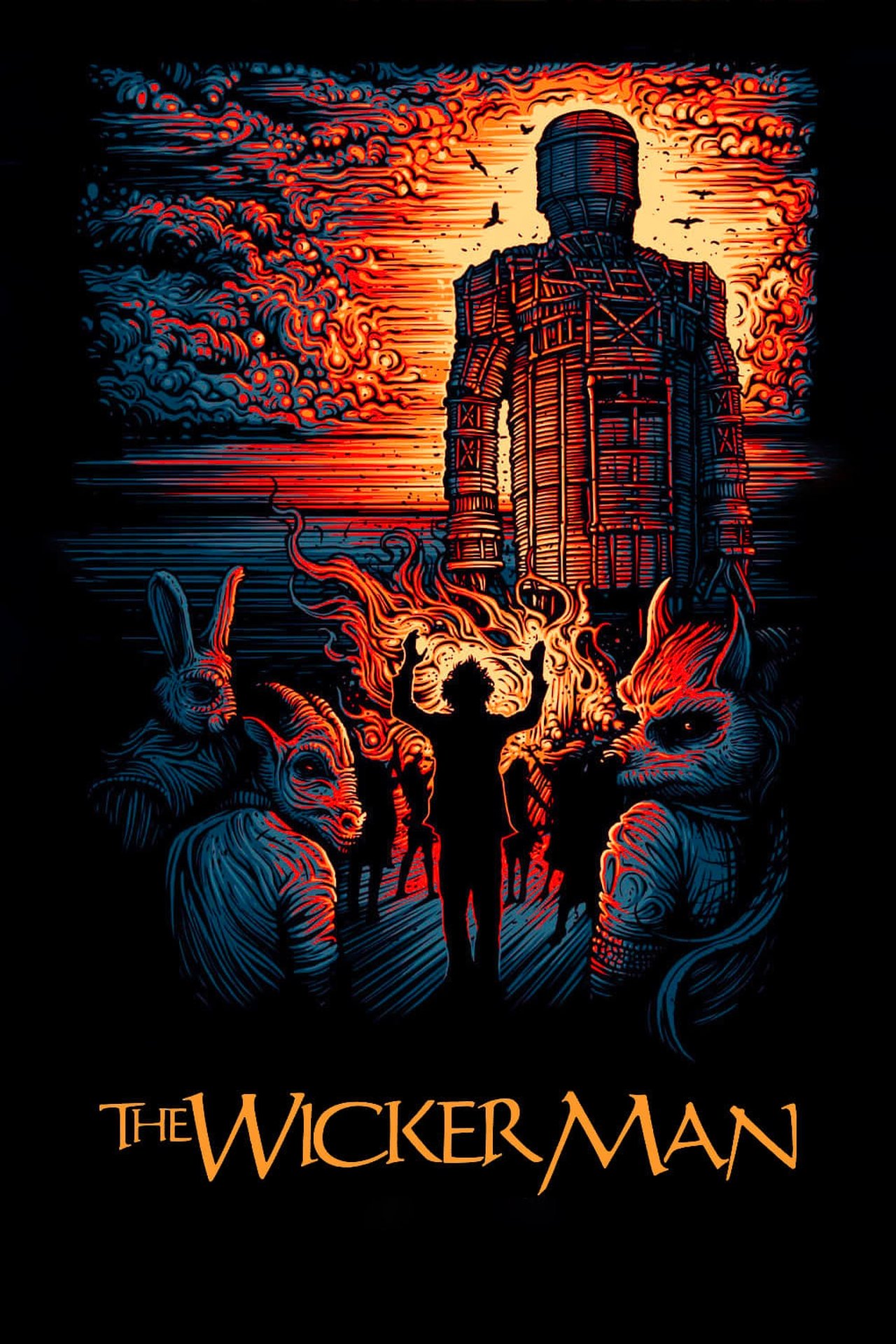
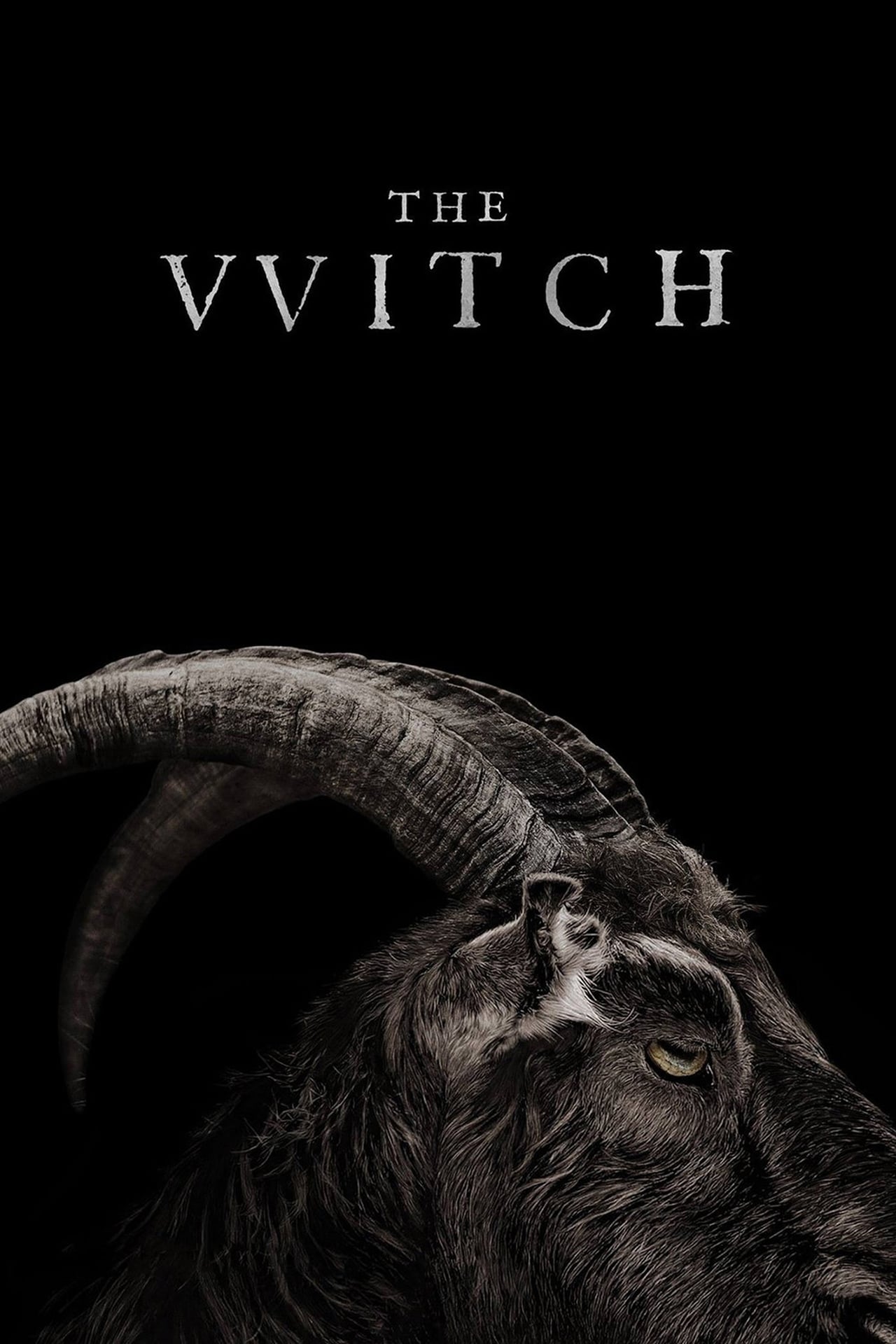
Rural location, often in the countryside. This could be a dark, looming forest, or sweeping plains far outside the reaches of the city (The Witch, The Wicker Man).
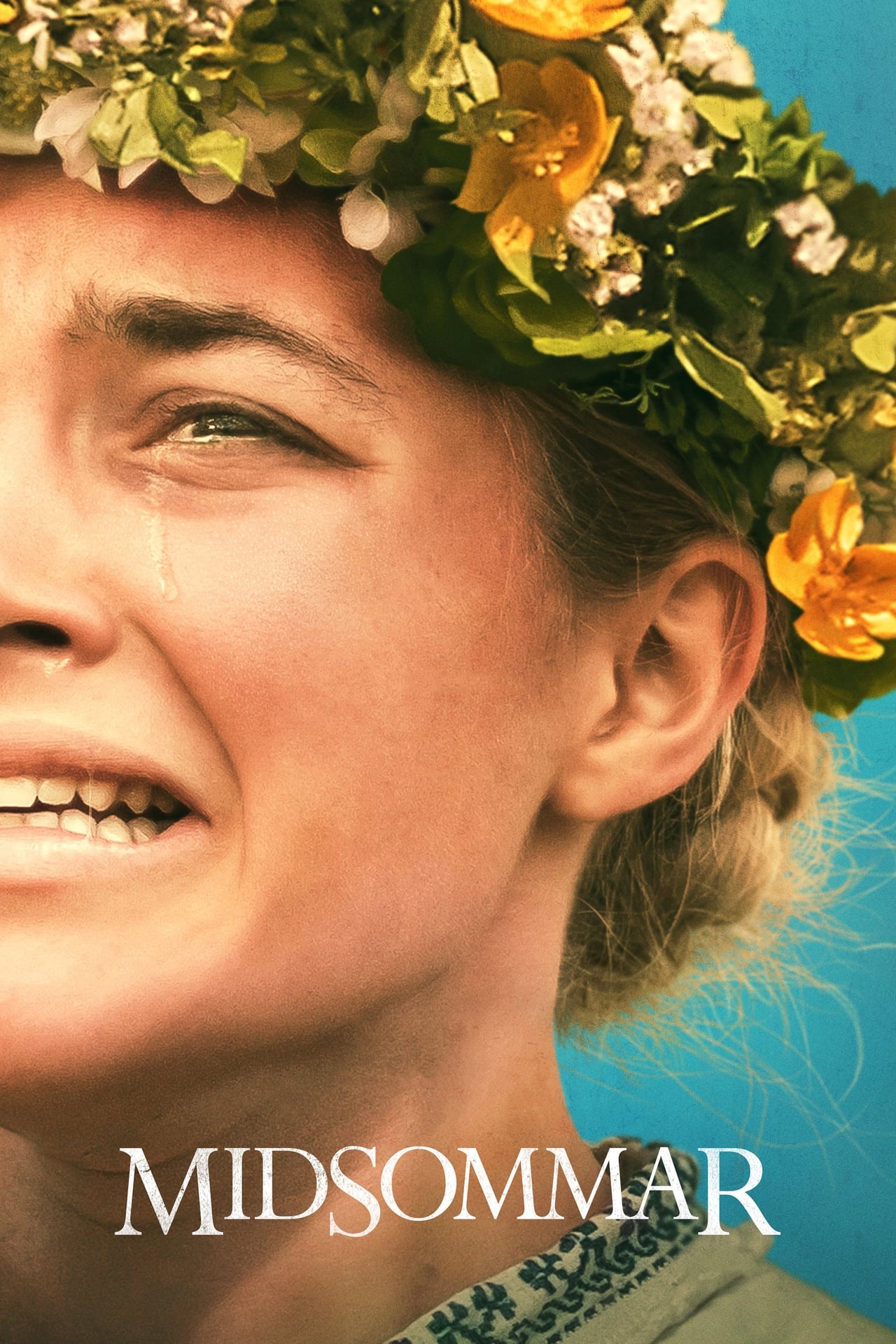
Isolation. A lot of times the characters may be trapped or cut off from reaching the "safety" of urban areas. This fuels paranoia and a sense of unease. Think Midsommar: the visiting students are brought to a remote rural commune in Sweden, where they're socially and physically cut off from the outside world. The Blair Witch Project is another good example; the group cannot escape their current location, despite their increasingly desperate attempts.
Rituals. These are supported by a skewed moral/belief system. They live differently; there may be a sense of lawlessness, and/or alien traditions and customs. These rituals can be paranormal in nature. In Midsommar, Spoiler In other films, sacrifices are sometimes made to appease an ancient deity or evil entity.
Outsider vs. Insider. A clash between social groups where tension is felt, sometimes spilling into violence. This could be old values vs. new values, or generational differences, or even systemic racism (think Get Out). None of these factors by themselves guarantee inclusion, but each contributing element can suggest (sometimes strongly) that you're in folk horror territory.
TL;DR — Folk horror films at minimum have one or two of the following elements (more elements make a strong case): a rural setting (often countryside); isolation of central characters; ritualistic practices rooted in a twisted moral/belief system (sometimes paranormal); and an outsider vs. insider dynamic that builds tension, often escalating to violence.
Police sergeant Neil Howie is called to an island village in search of a missing girl whom the locals claim never existed. The investigation is further complicated as Howie’s religious views clash with those of the island’s residents.
In 1630, a farmer relocates his family to a remote plot of land on the edge of a forest where strange, unsettling things happen. With suspicion and paranoia mounting, each family member's faith, loyalty and love are tested in shocking ways.
Several friends travel to Sweden to study as anthropologists a summer festival that is held every ninety years in the remote hometown of one of them. What begins as a dream vacation in a place where the sun never sets, gradually turns into a dark nightmare as the mysterious inhabitants invite them to participate in their disturbing festive activities.
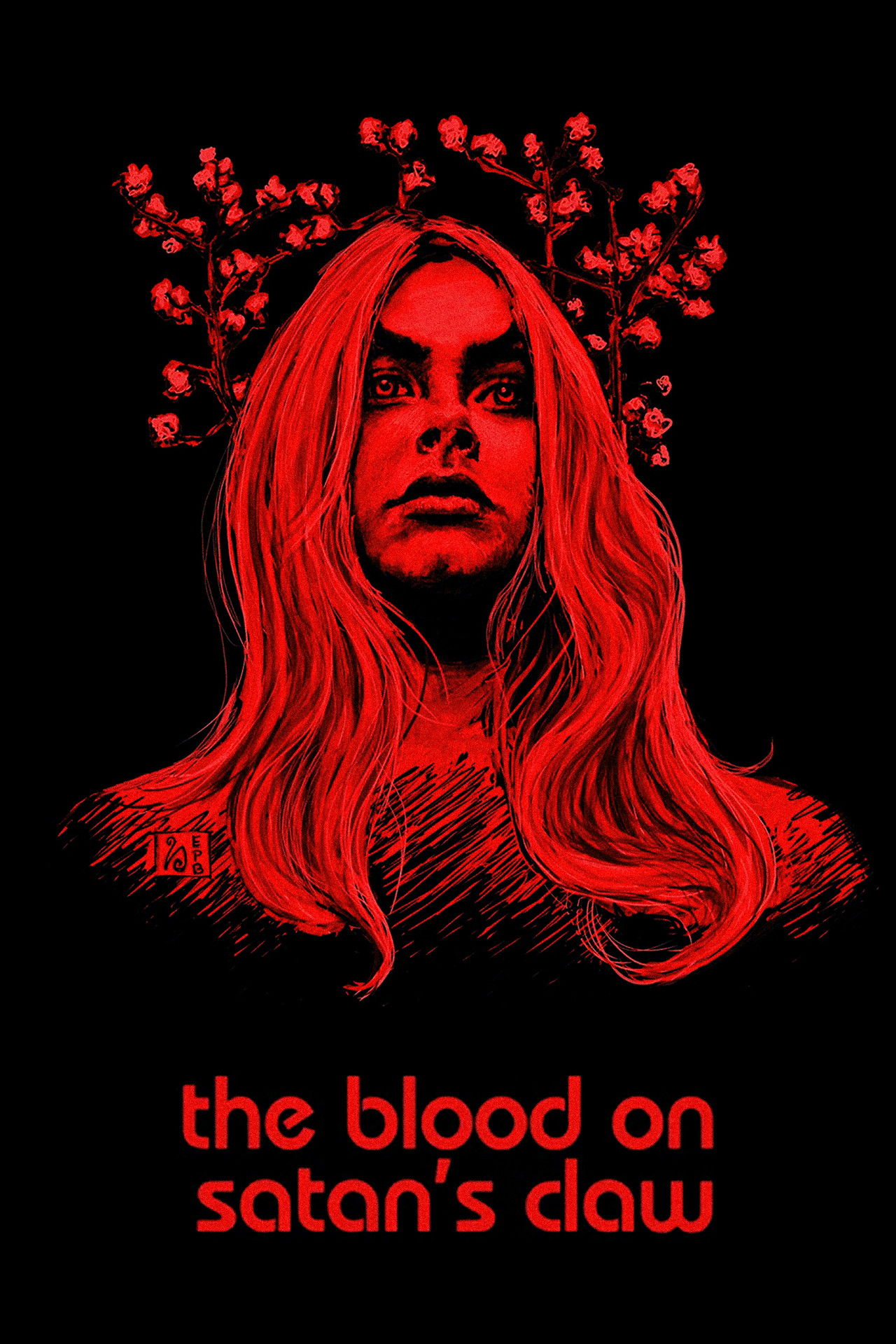
After a landsman in 18th century England discovers a corpse covered in fur buried in a field, the town becomes infected by "the devil's skin," leading the local children to engage in demonic rituals and criminal behavior.
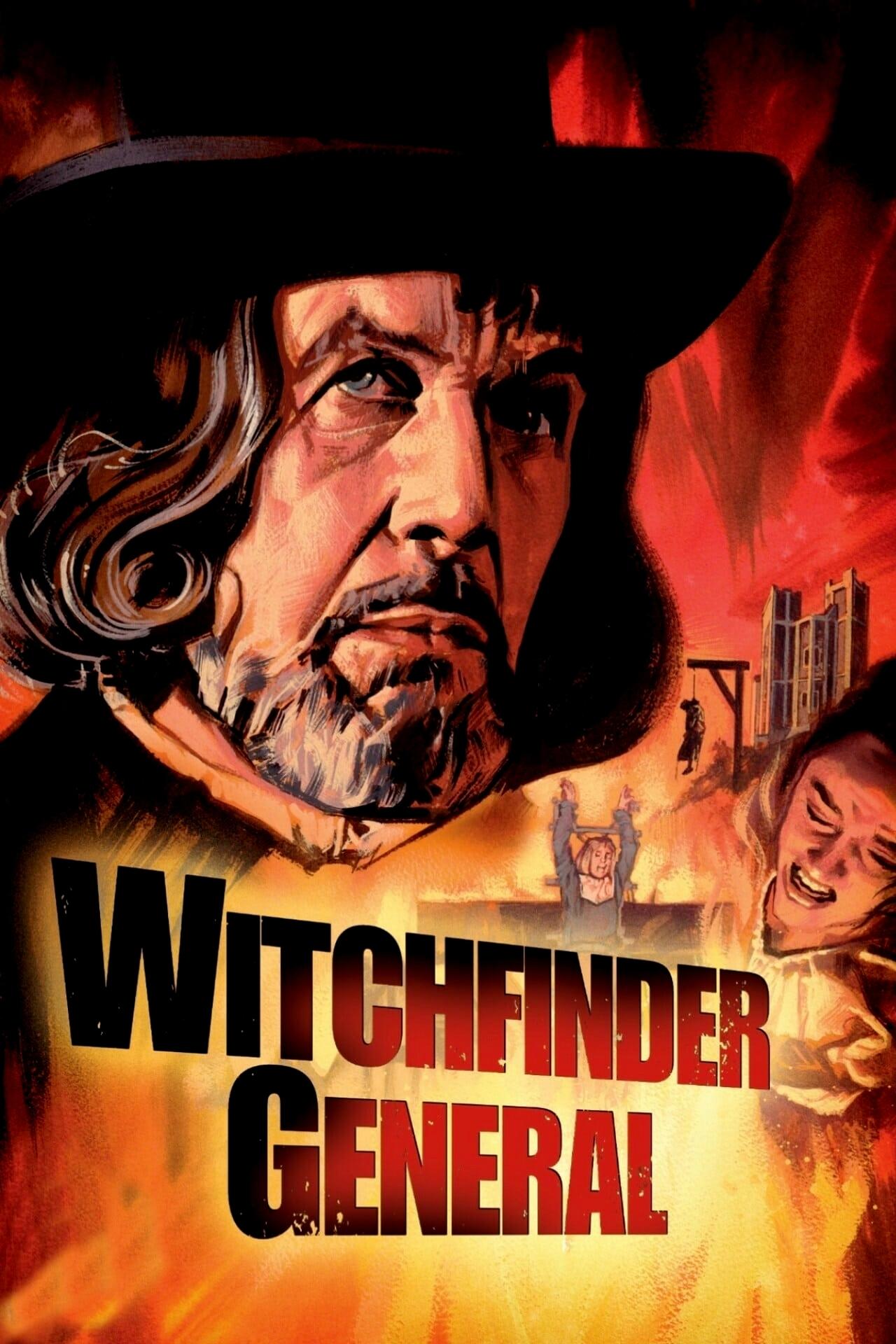
England, 1645. The cruel civil war between Royalists and Parliamentarians that is ravaging the country causes an era of chaos and legal arbitrariness that allows unscrupulous men to profit by exploiting the absurd superstitions of the peasants; like Matthew Hopkins, a monster disguised as a man who wanders from town to town offering his services as a witch hunter.
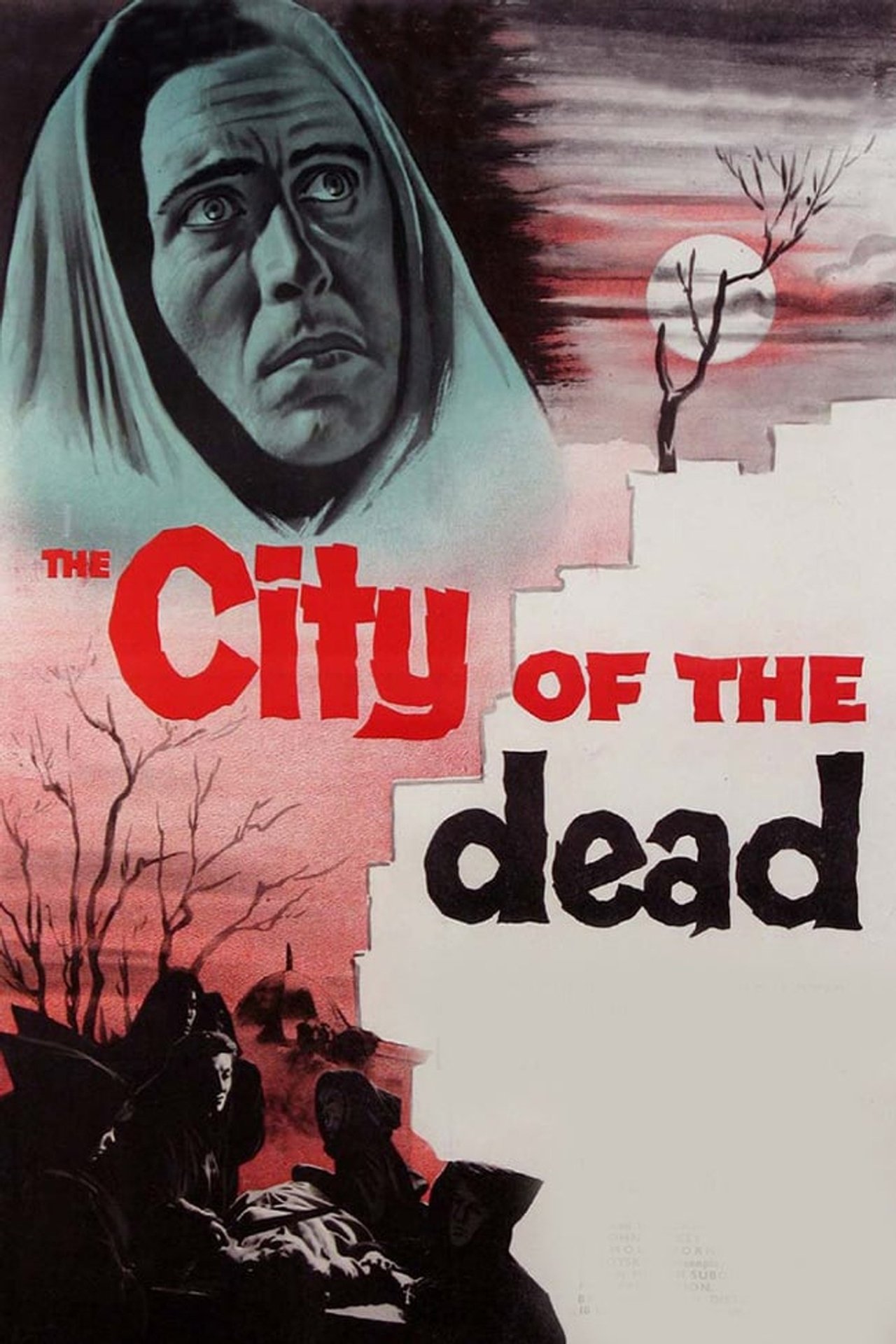
A stranger arrives in a little village and soon after a mysterious sickness starts spreading. A policeman is drawn into the incident and is forced to solve the mystery in order to save his daughter.
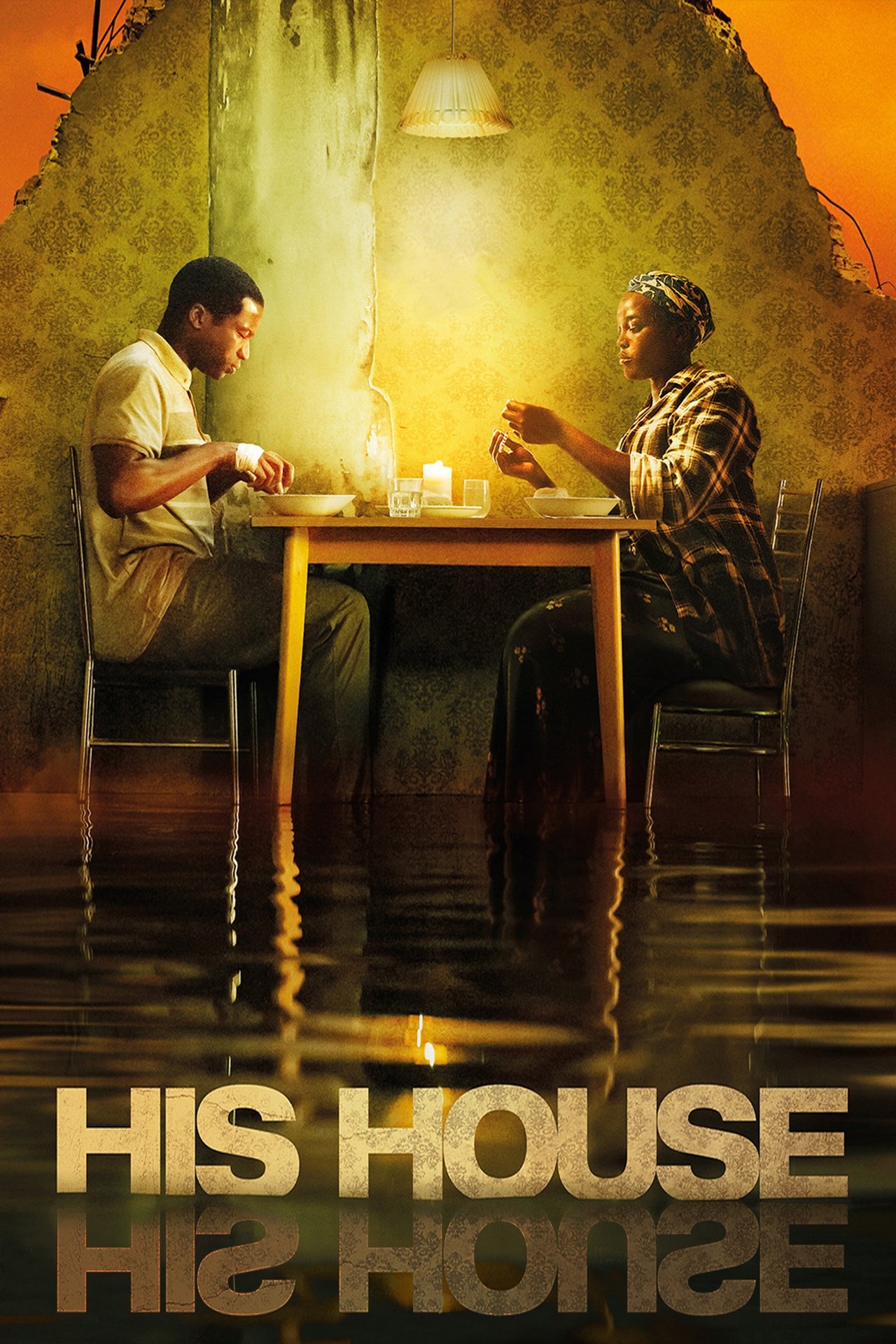
After making a harrowing escape from war-torn South Sudan, a young refugee couple struggle to adjust to their new life in a small English town that has an unspeakable evil lurking beneath the surface.
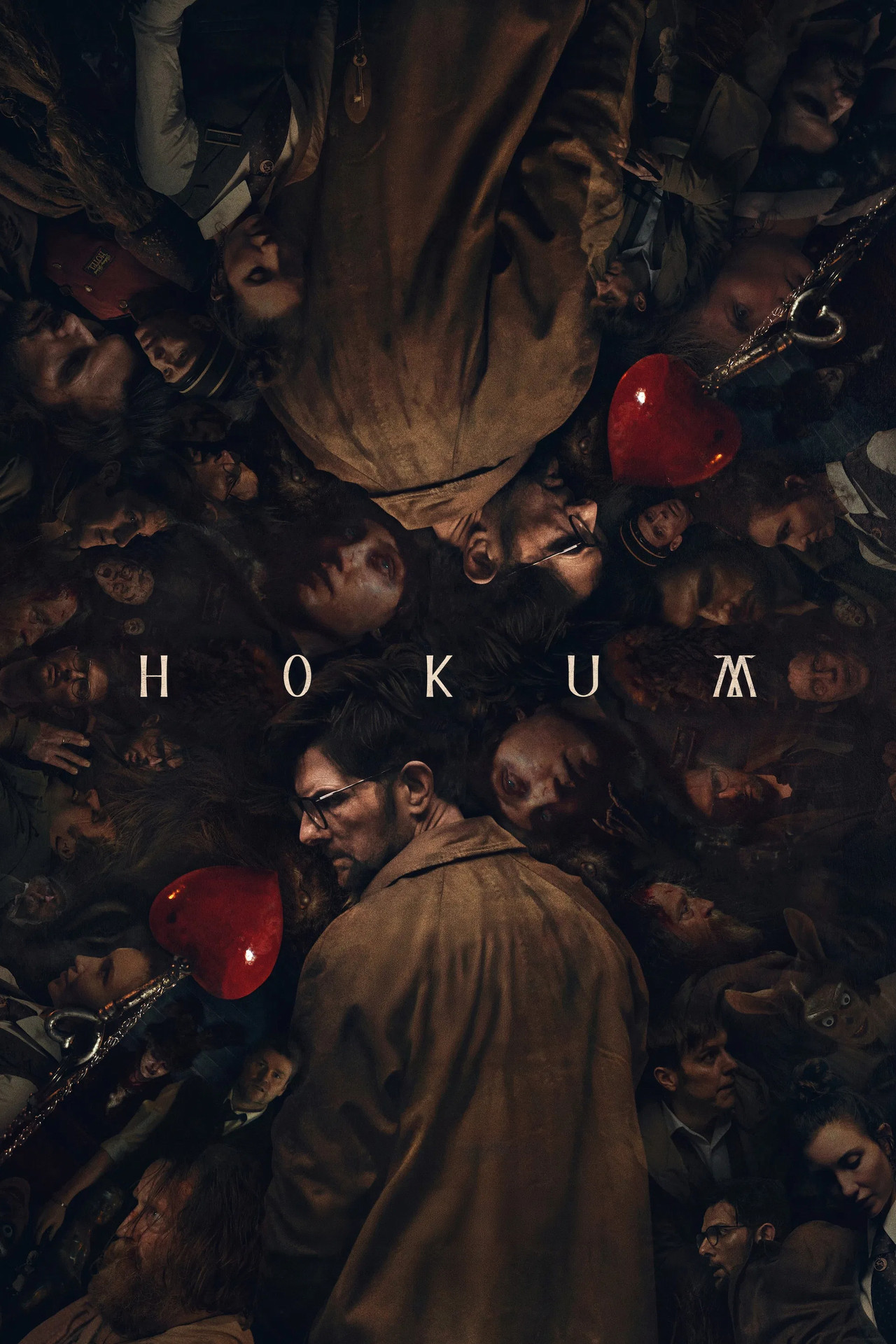
Accused of the genocide of Mayan people, retired general Enrique is trapped in his mansion by massive protests. Abandoned by his staff, the indignant old man and his family must face the devastating truth of his actions and the growing sense that a wrathful supernatural force is targeting them for his crimes.
Trying to leave their troubled lives behind, twin brothers return to their hometown to start again, only to discover that an even greater evil is waiting to welcome them back.
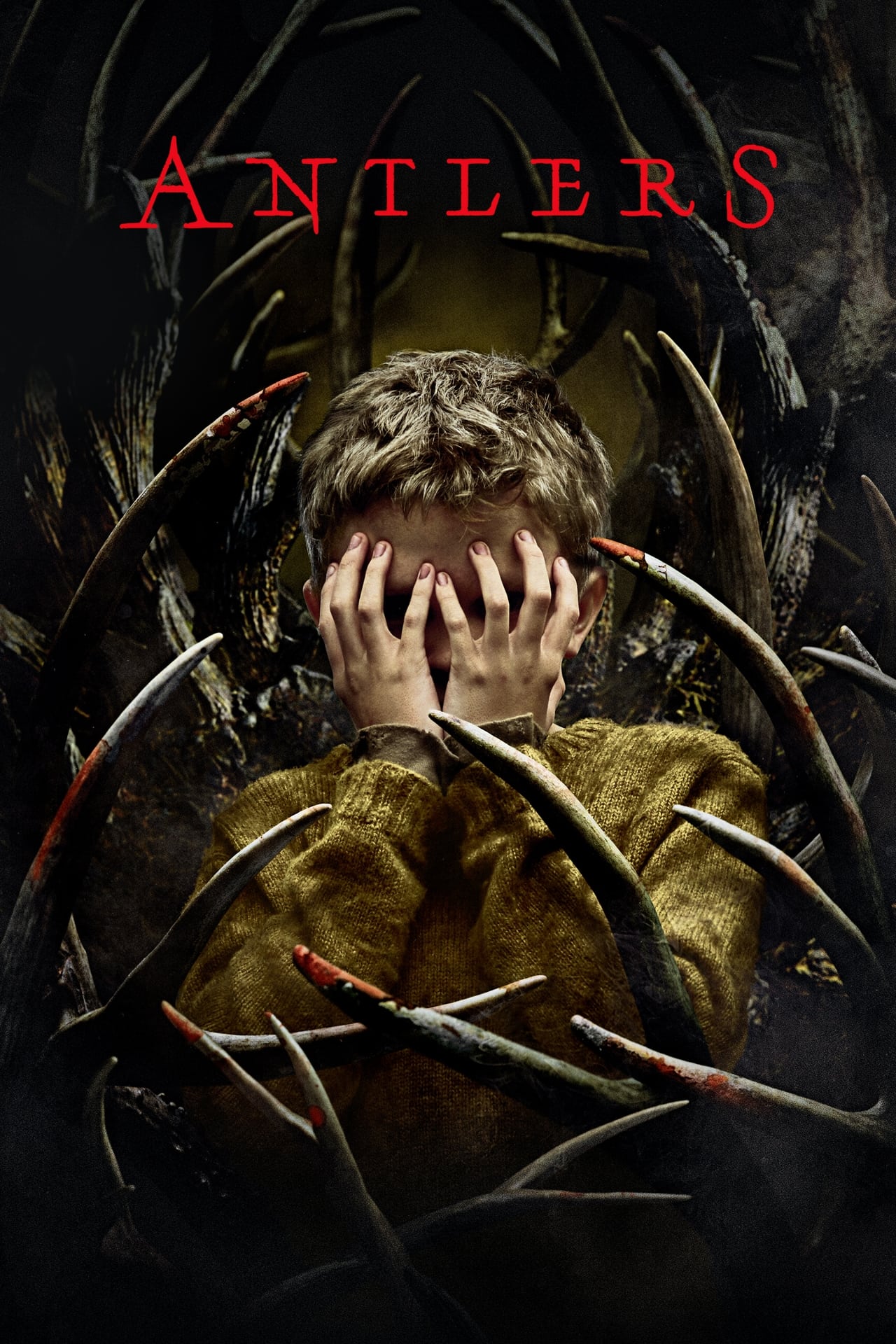
A small-town Oregon teacher and her brother, the local sheriff, discover a young student is harbouring a dangerous secret that could have frightening consequences.
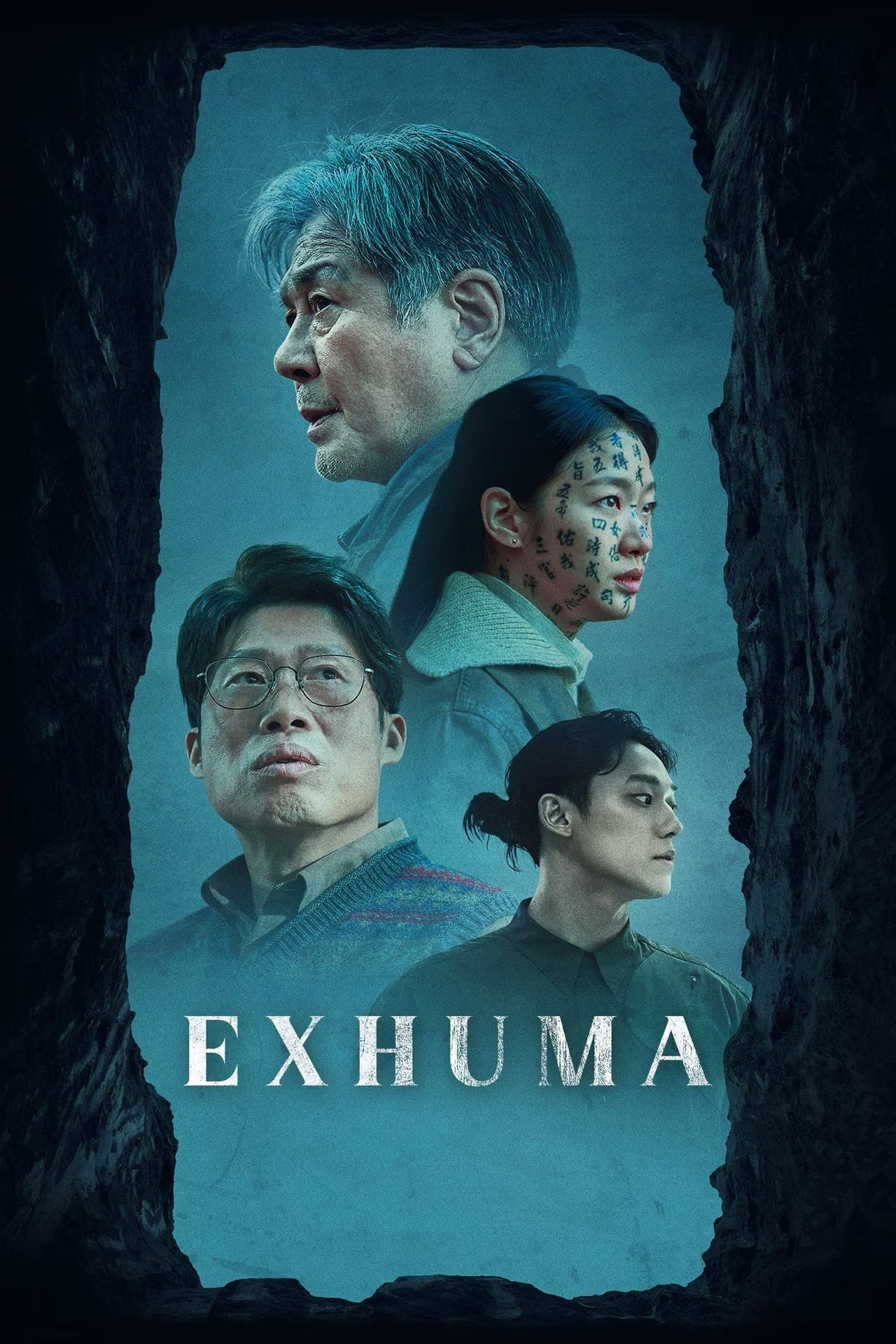
After tracing the origin of a disturbing supernatural affliction to a wealthy family's ancestral gravesite, a team of paranormal experts relocates the remains—and soon discovers what happens to those who dare to mess with the wrong grave.
In October of 1994 three student filmmakers disappeared in the woods near Burkittsville, Maryland, while shooting a documentary. A year later their footage was found.
When novelist Ohm Bauman retreats to a remote inn to scatter his parents' ashes, he is consumed by tales of a witch haunting the honeymoon suite. Disturbing visions and a shocking disappearance forces him to confront dark corners of his past.
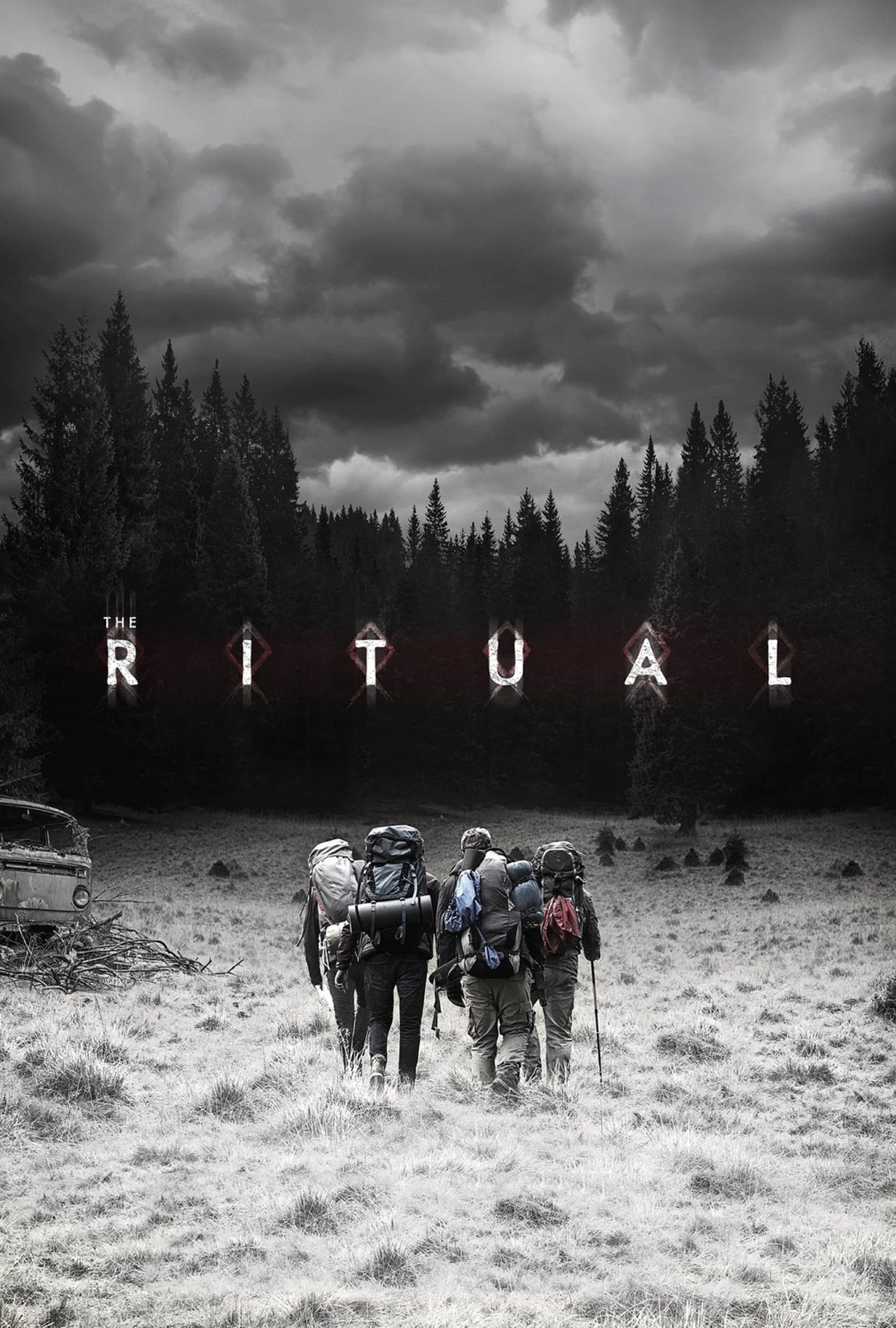
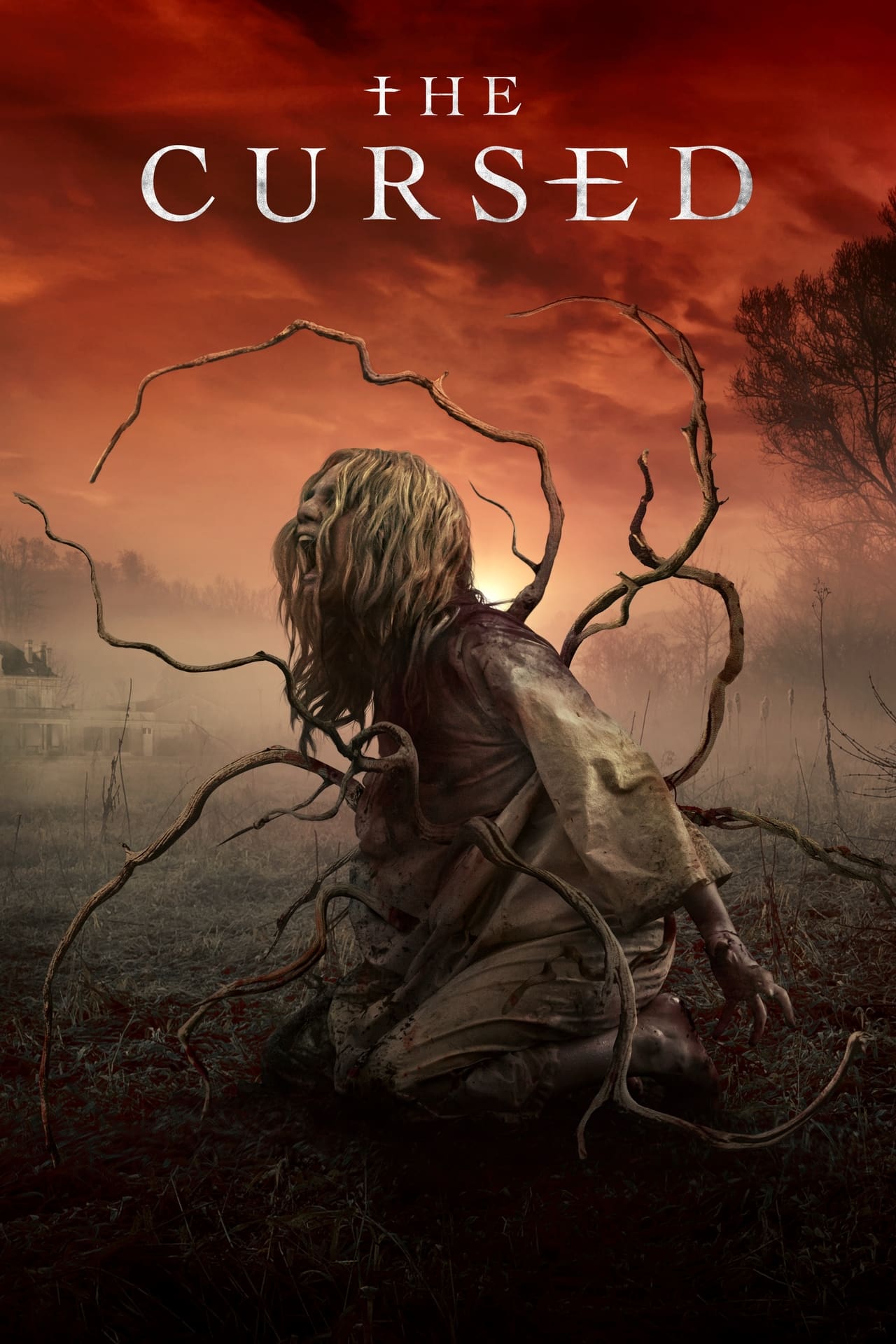
Deep within the darkness of secluded forest land in rural Ireland dwells an ancient evil. Feared by the nearby superstitious villagers as cursed creatures who prey upon the lost, their secrets have been kept from civilization and remain on their hallowed ground. But when a conservationist from London moves in with his wife and infant child in order to survey the land for future construction, his actions unwittingly disturb the horde of demonic forces. Alone in a remote wilderness, he must now ensure his family's survival from their relentless attacks.
In Whitewood, Massachusetts, a presumed witch places a curse on the town before she is burned at the stake. 300 years later, a college student arrives and checks into the mysterious Raven's Inn to research the town's history with witchcraft.
A rebellious teenage boy, struggling with his parents' imminent divorce, encounters a terrifying evil after his next-door neighbor becomes possessed by an ancient witch that feasts on children.
Two parents enter a race against time when they receive a distressing late-night phone call from their daughter after she caused a tragic car accident.
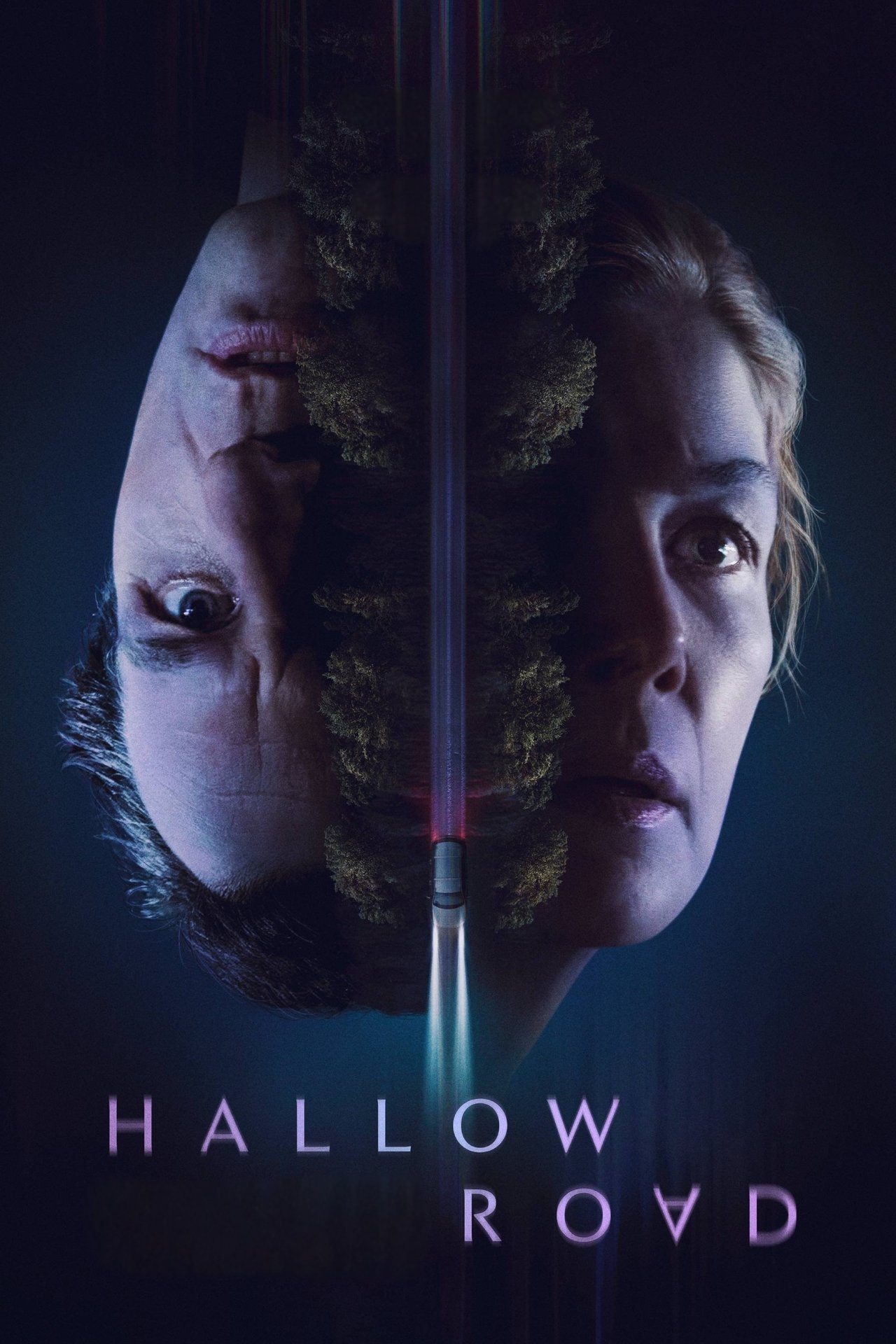
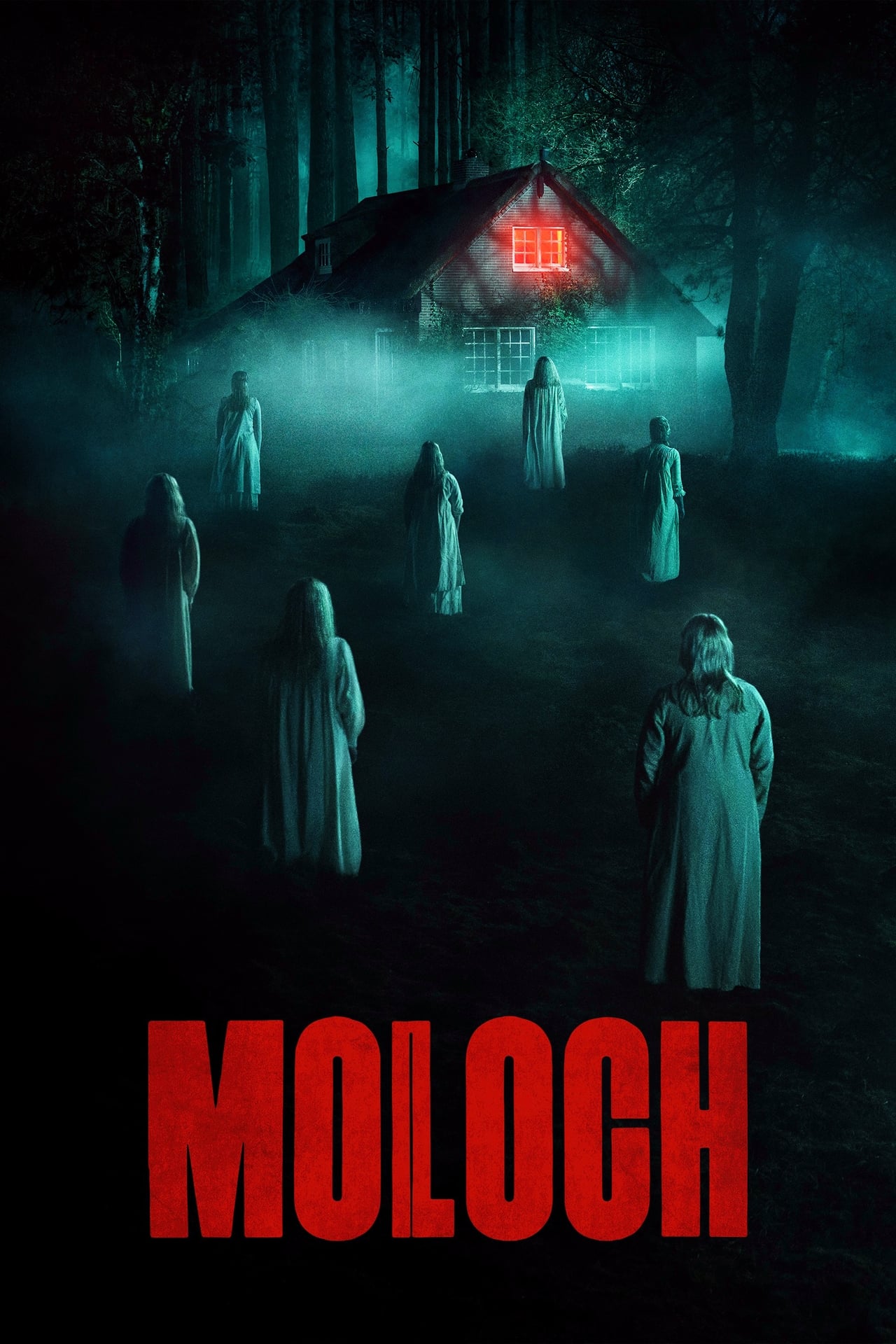
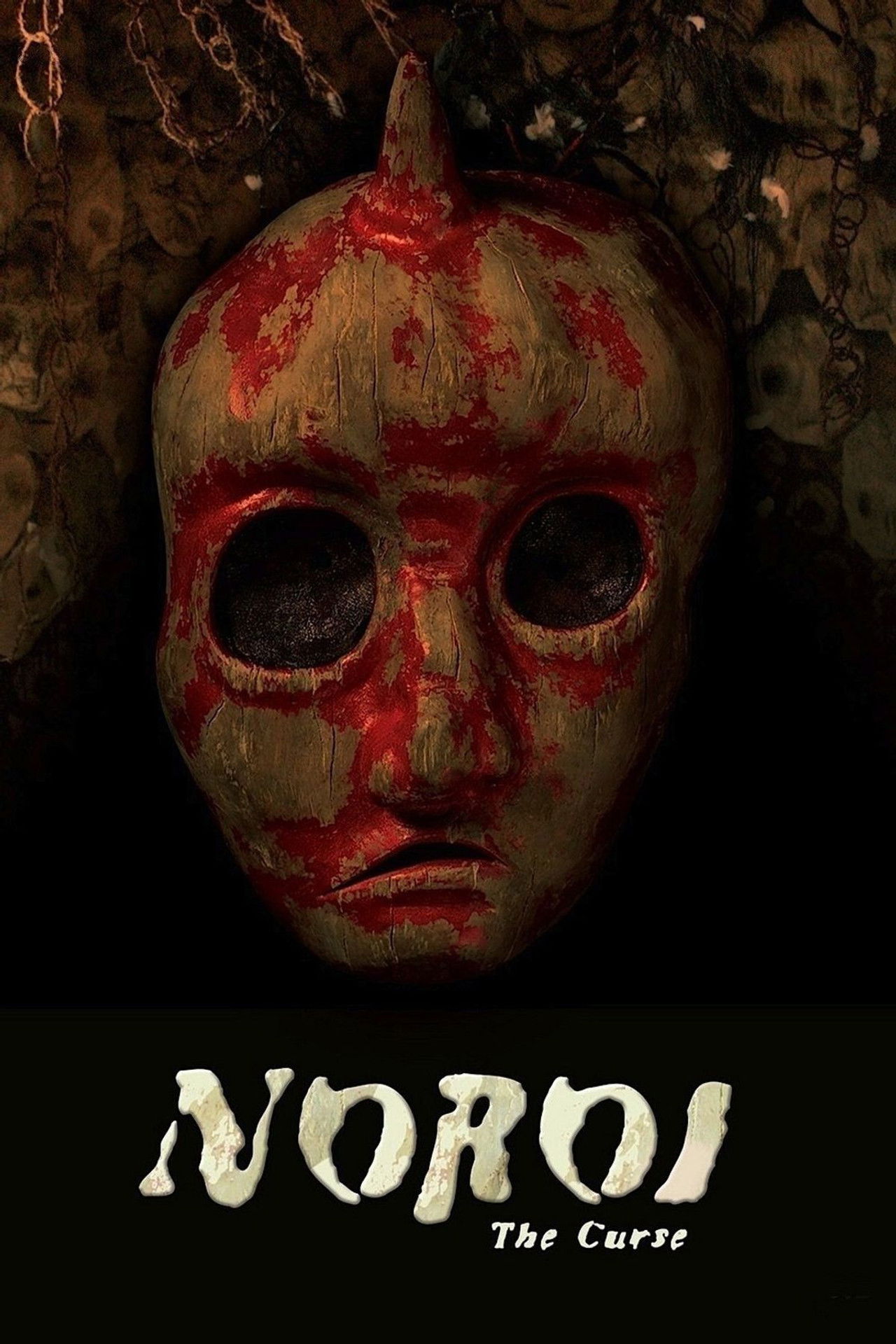
Betriek lives at the edge of a peat bog in the North of the Netherlands. When she and her family are attacked by a random stranger one night, Betriek sets out to find an explanation. The more she digs, the more she becomes convinced that she is being hunted by something ancient.
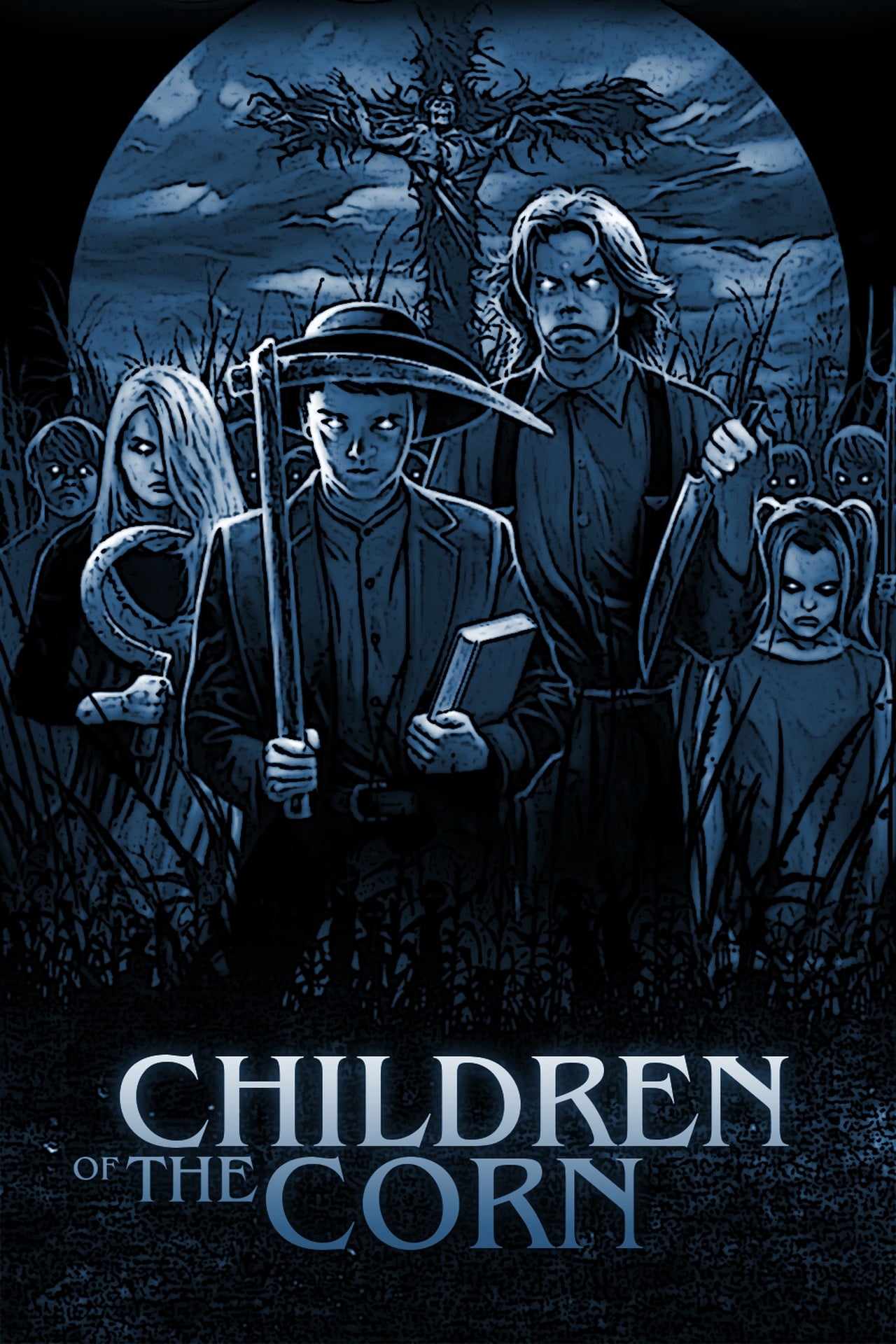
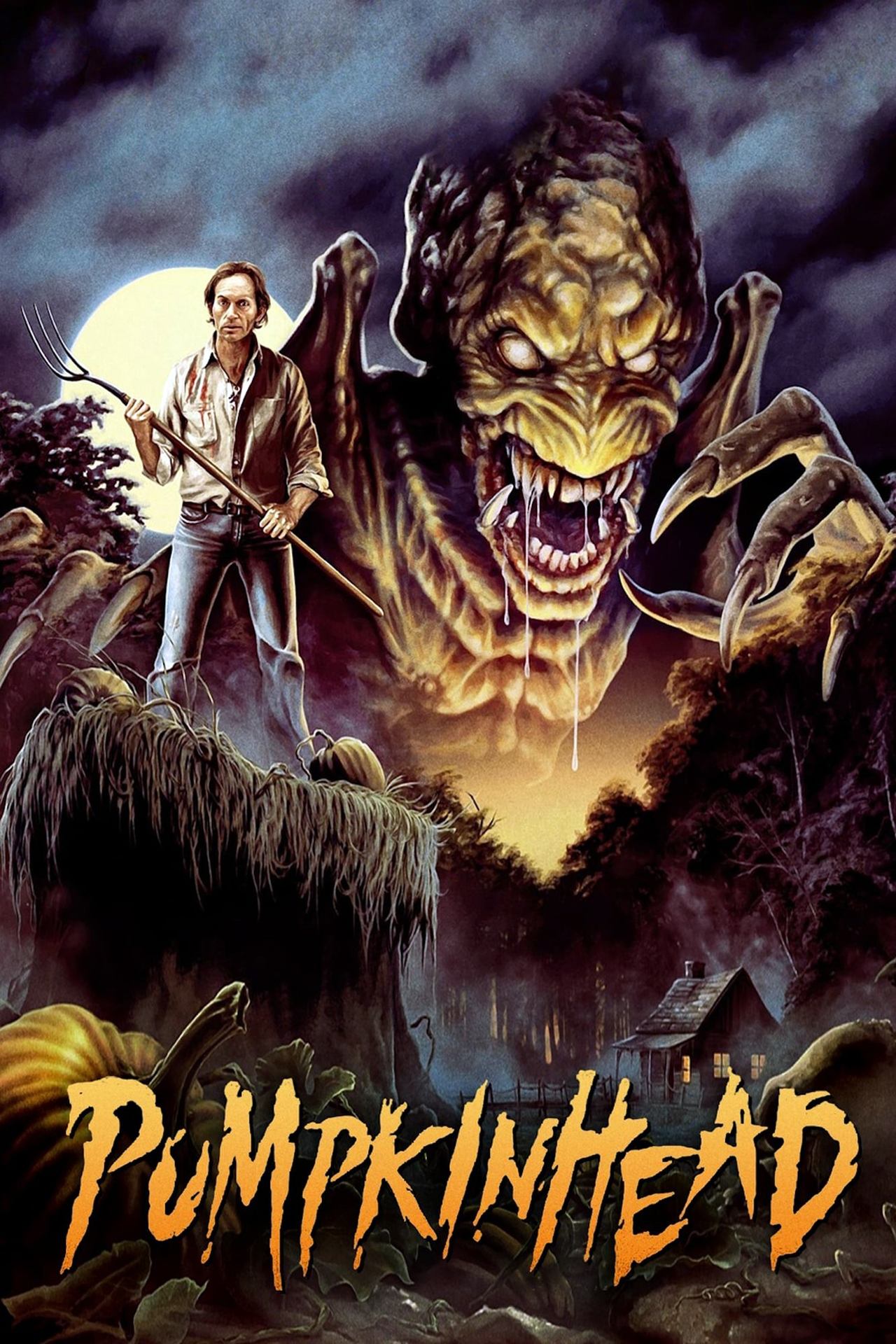
A traveling couple end up in an abandoned Nebraska town inhabited by a cult of murderous children who worship a demon that lives in the local cornfields.
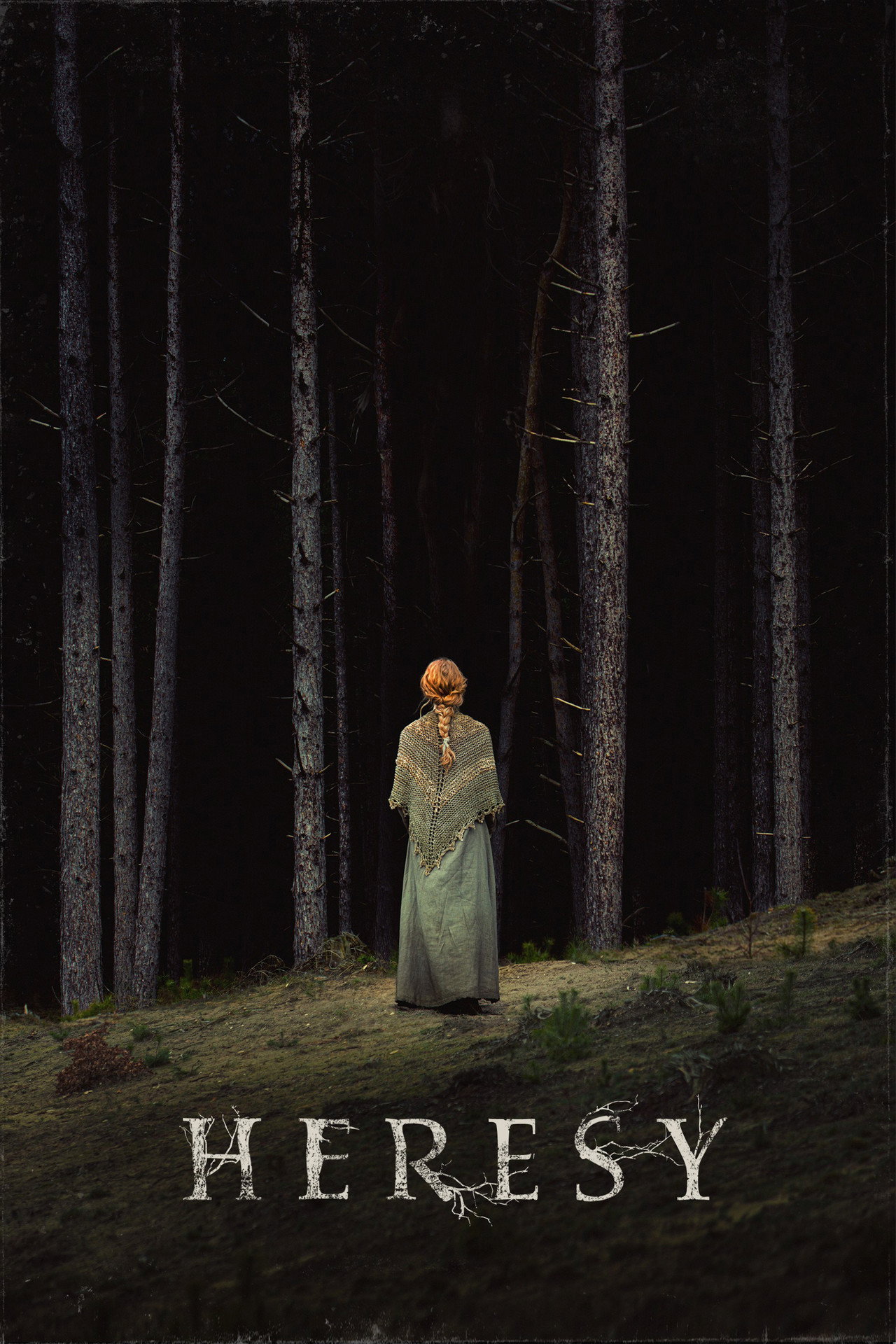
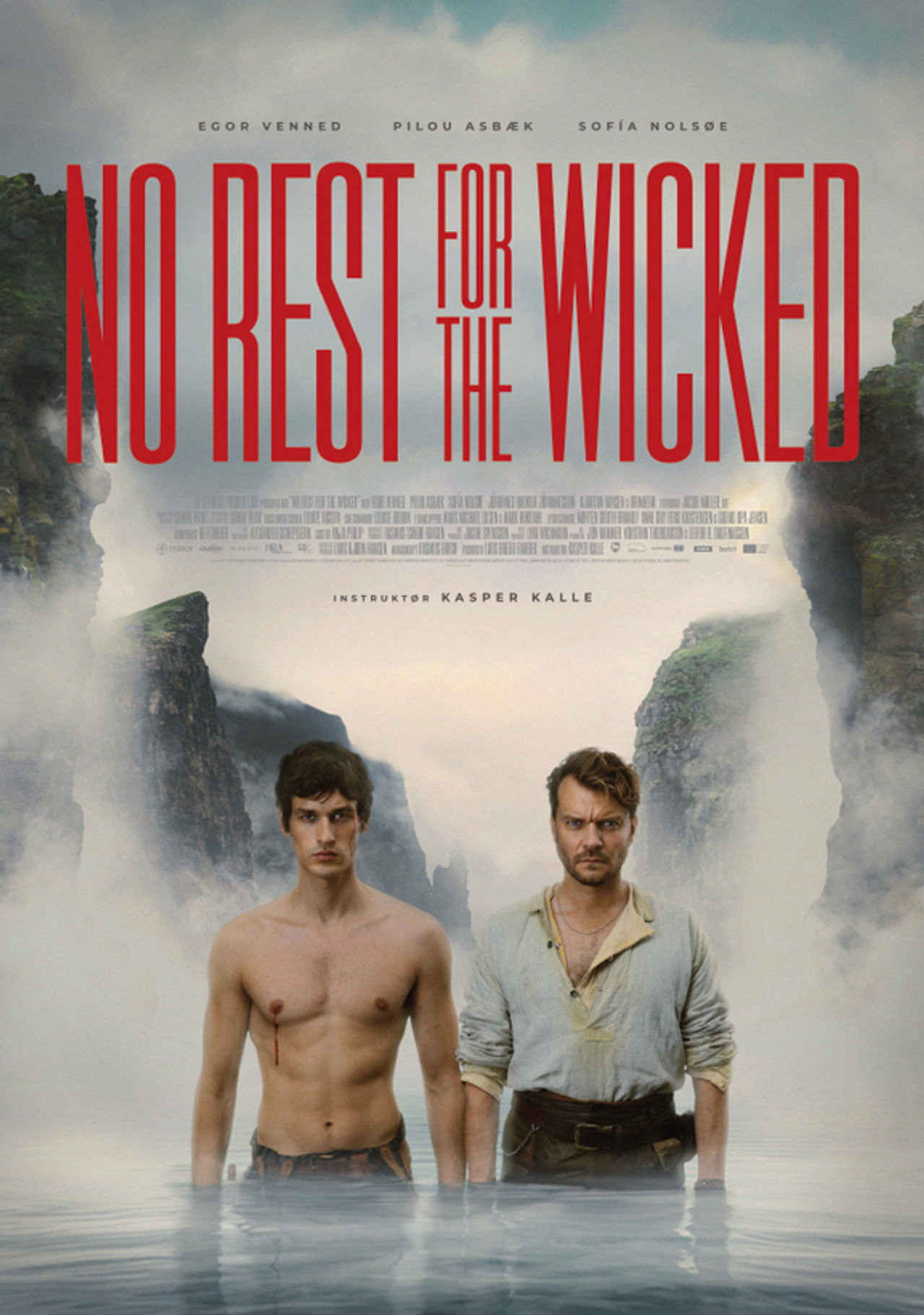
1862. Baldur lives a fisherman’s life on the isolated Faroe Islands far to the north in the Atlantic Ocean. His world is turned upside down when a stranger arrives: Helge, a rugged whaler, who awakens deep emotions within him. A mutual attraction starts to grow. When tragedy strikes, their forbidden passion unleashes natural forces so disturbing that the villagers rally to keep evil at bay. But Baldur and Helge refuse to let their love be buried. They will fight till the end – and after.
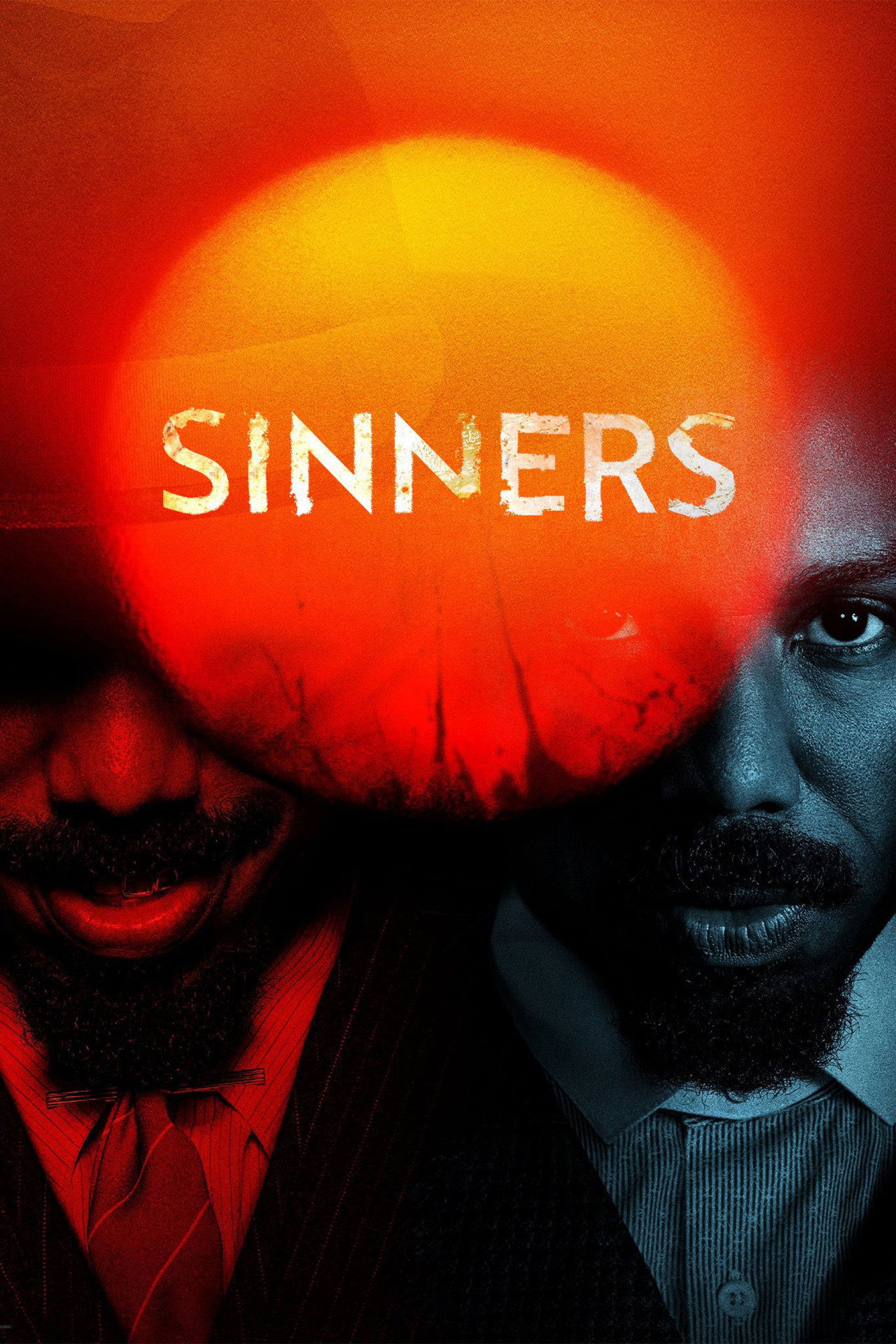
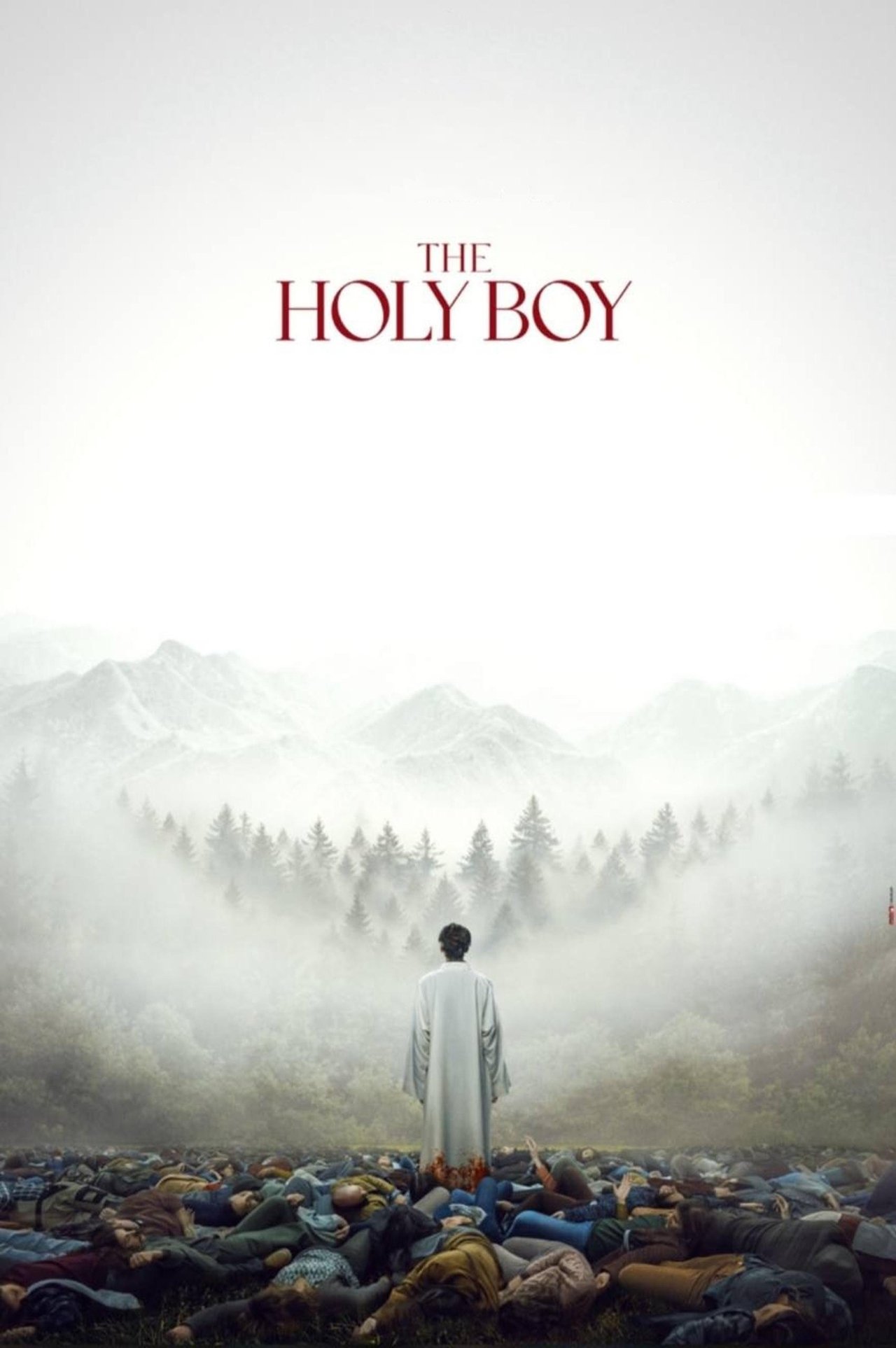
A PE teacher moves to an isolated mountain village where the people appear to live in unshakeable serenity, but soon stumbles across a disturbing ritual. Once a week, the locals are freed of their pain by a lonely boy born with the power to heal one's soul just by hugging them. Trying to rescue him from this madness, the man unleashes his dark side.
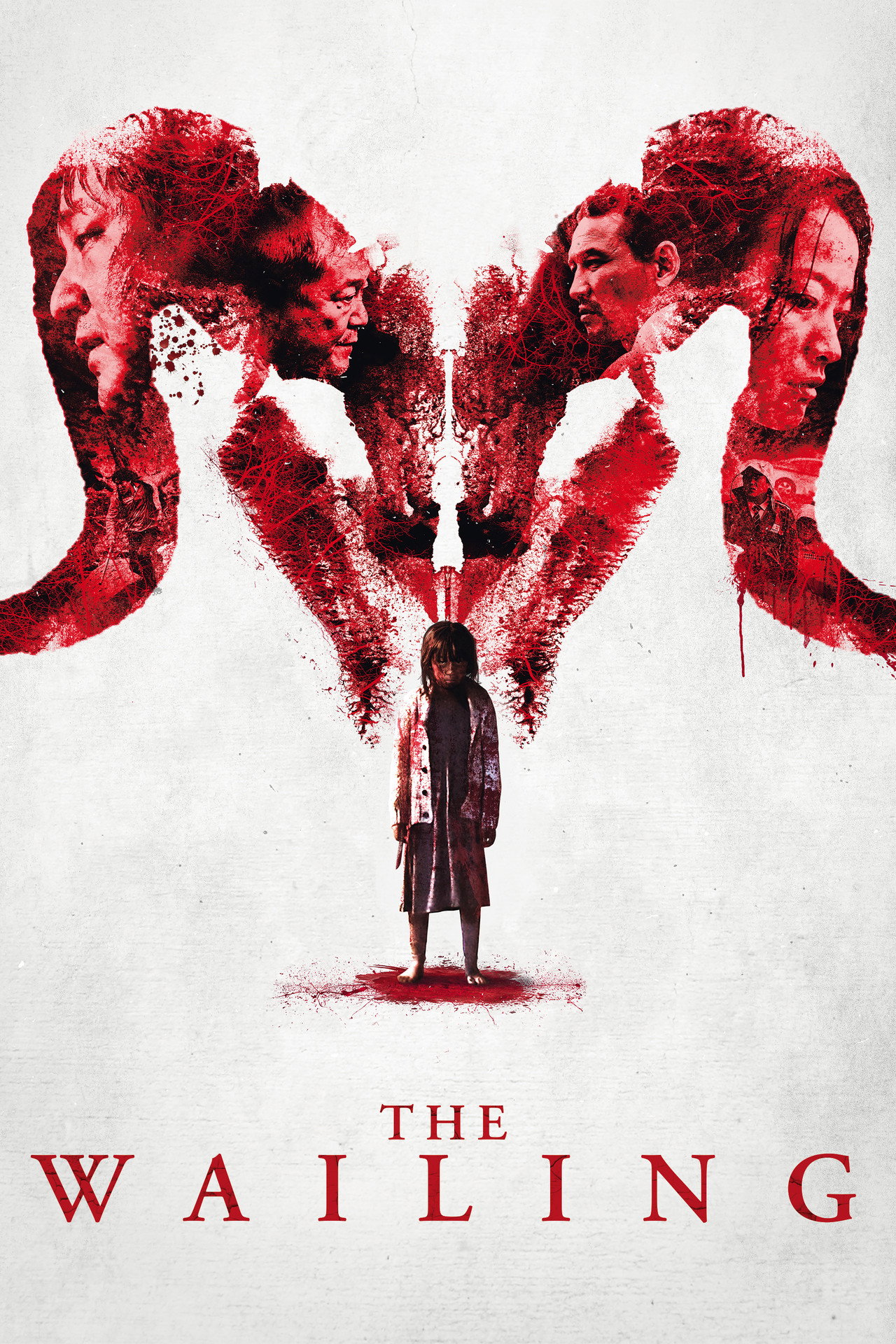
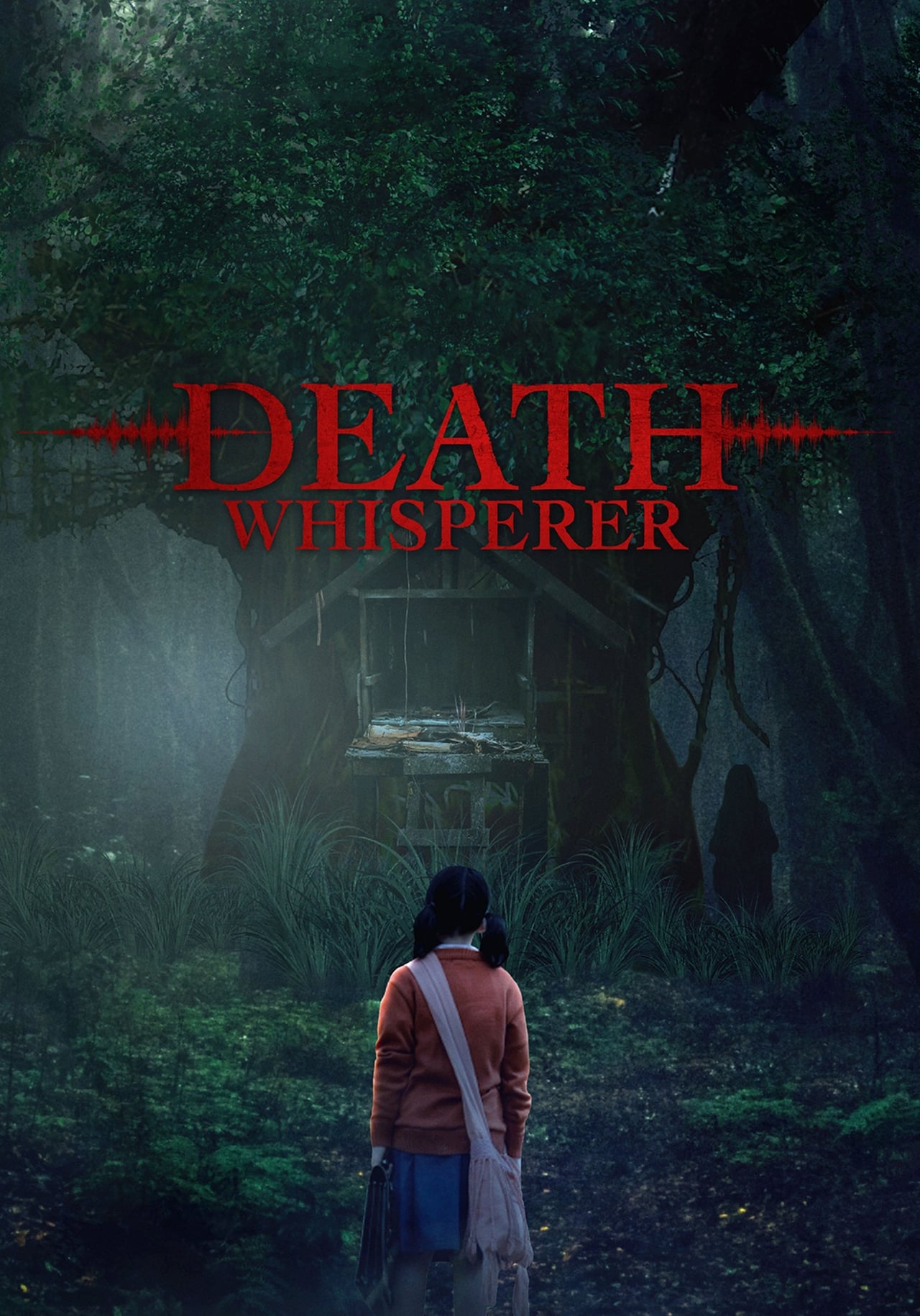
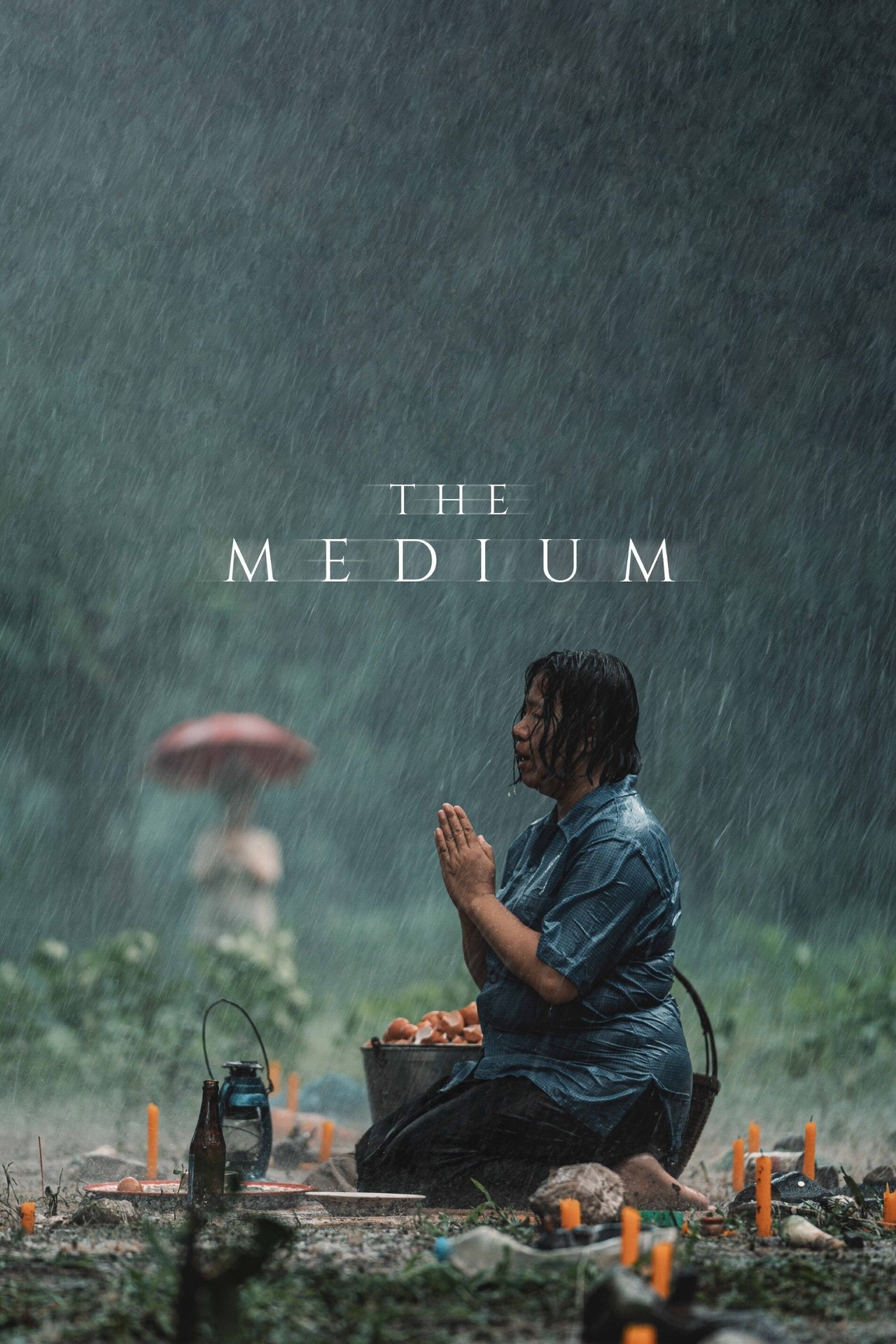
A shaman's family learn that their goddess is supposedly controlling one of them. However, their lives take a frightening turn when they realise the goddess has nothing to do with the possession.
In the late 19th century, a brutal land baron slaughters a Roma clan, unleashing a curse on his family and village. In the days that follow, the townspeople are plagued by nightmares, the baron's son goes missing, and a boy is found murdered. The locals suspect a wild animal, but a visiting pathologist warns of a more sinister presence lurking in the woods.
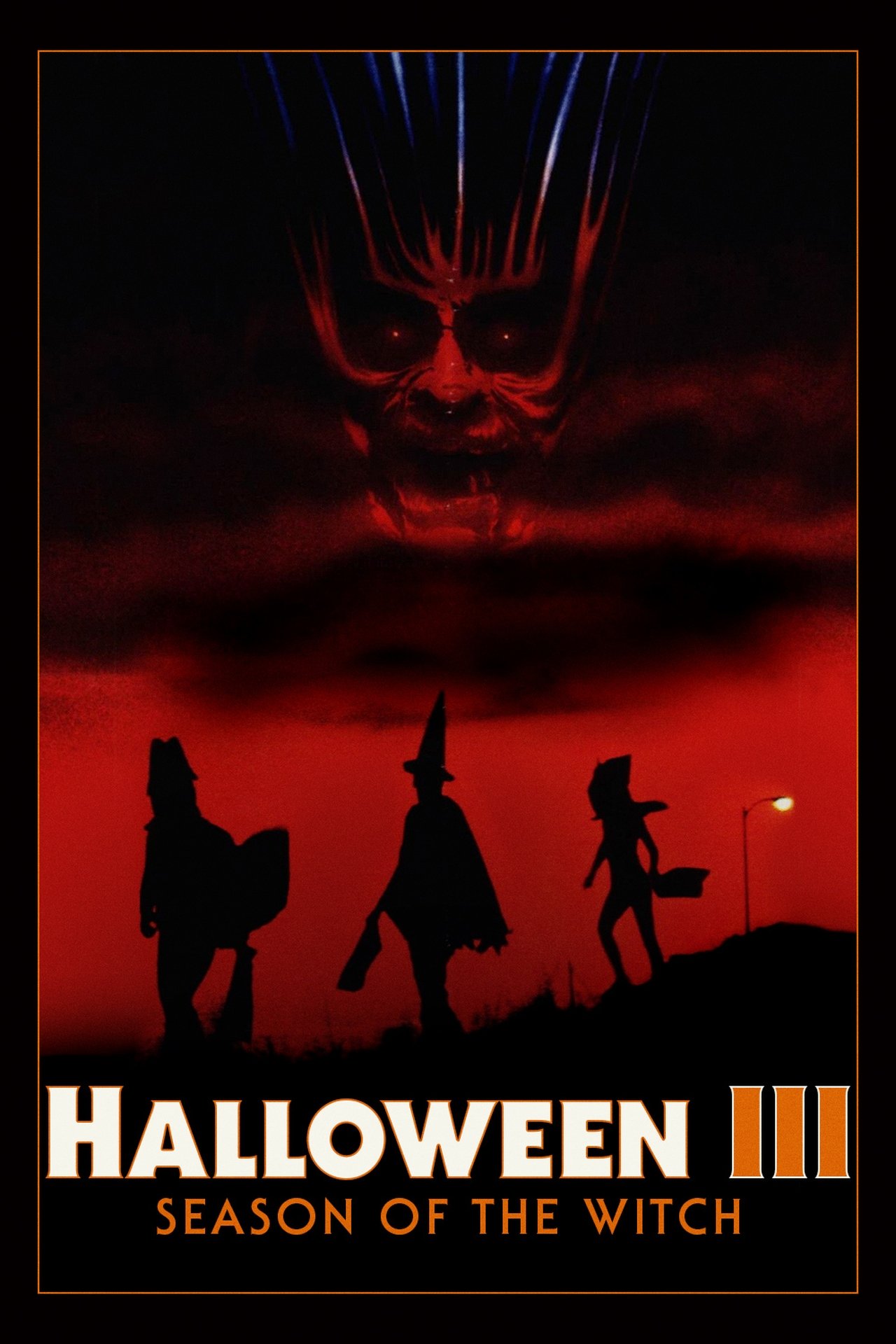
After a terrified toy salesman is mysteriously attacked and brought to the hospital, clutching the year's most popular Halloween mask, Dr. Daniel Challis sets out to investigate the strange events and finds himself thrust into a nightmarish conspiracy.
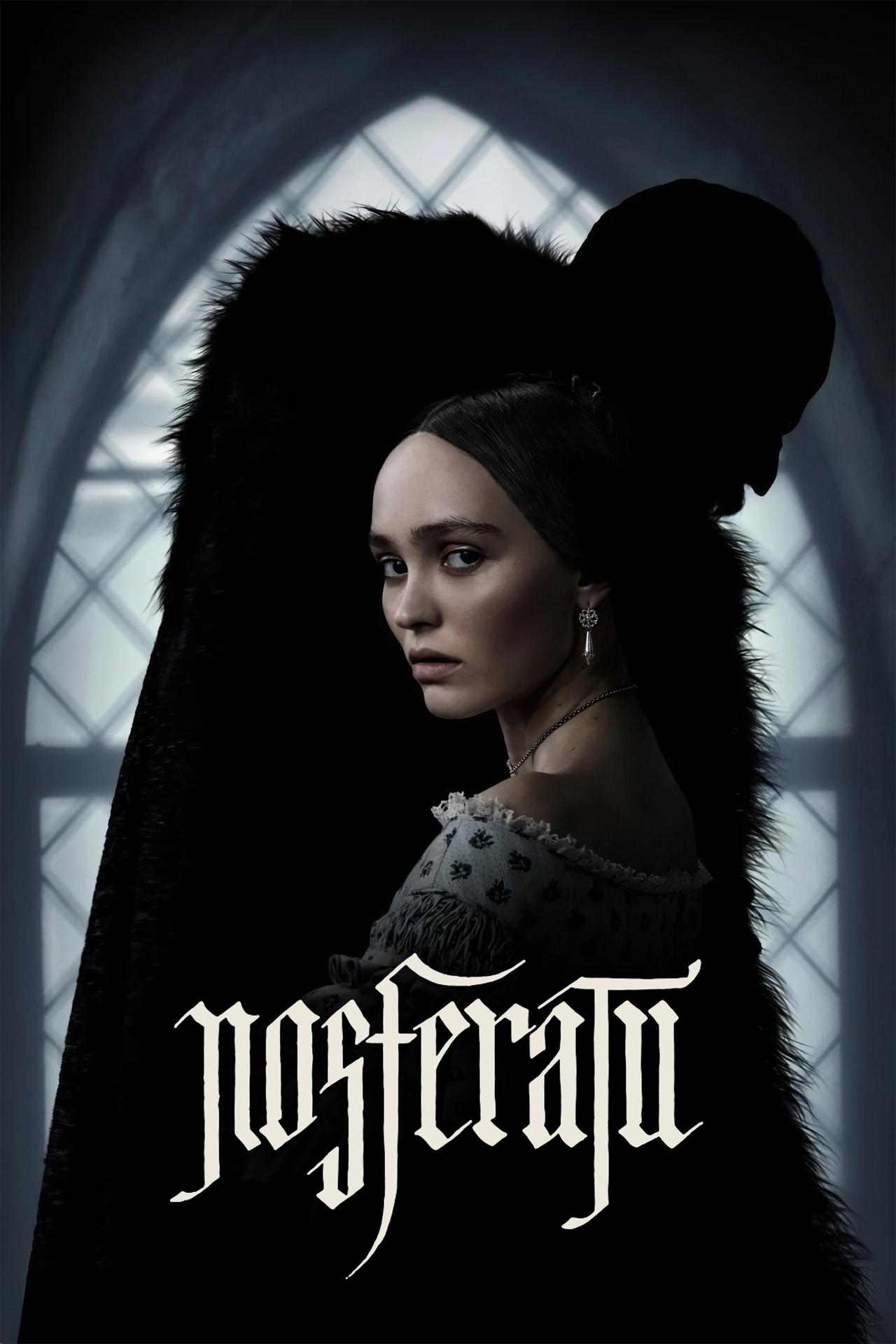
Based on Aleksei Tolstoy's classic 19th-century tale, a French diplomat stranded in a remote Eastern European village seeks shelter with a peasant family awaiting the return of their patriarch — a man who left with a grim warning about what he might become. As days pass and the patriarch finally returns, the family's relief gives way to creeping dread. Equal parts fable and nightmare, the film leans into folklore, candlelit unease, and the horror of watching love become a vector for evil.
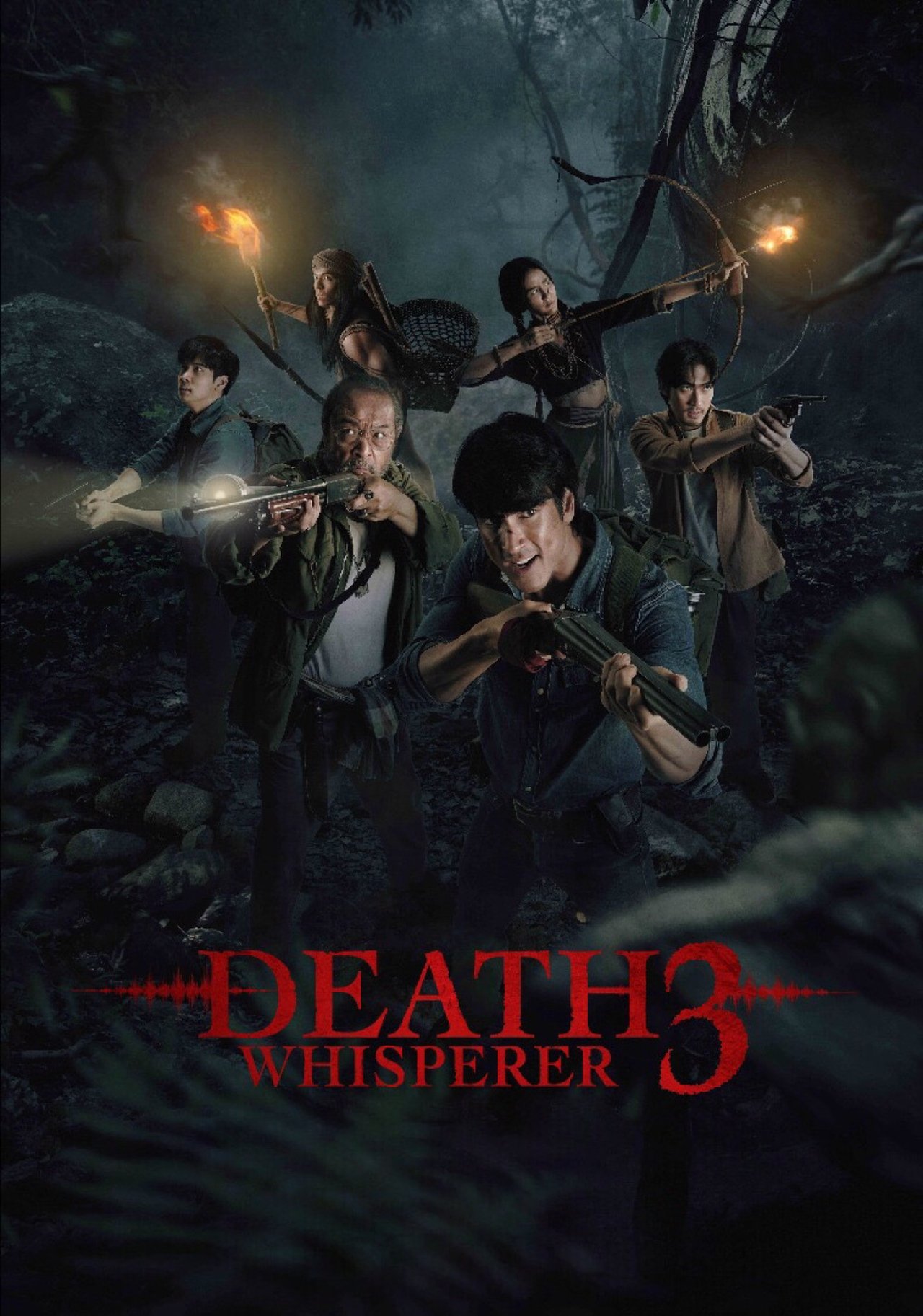
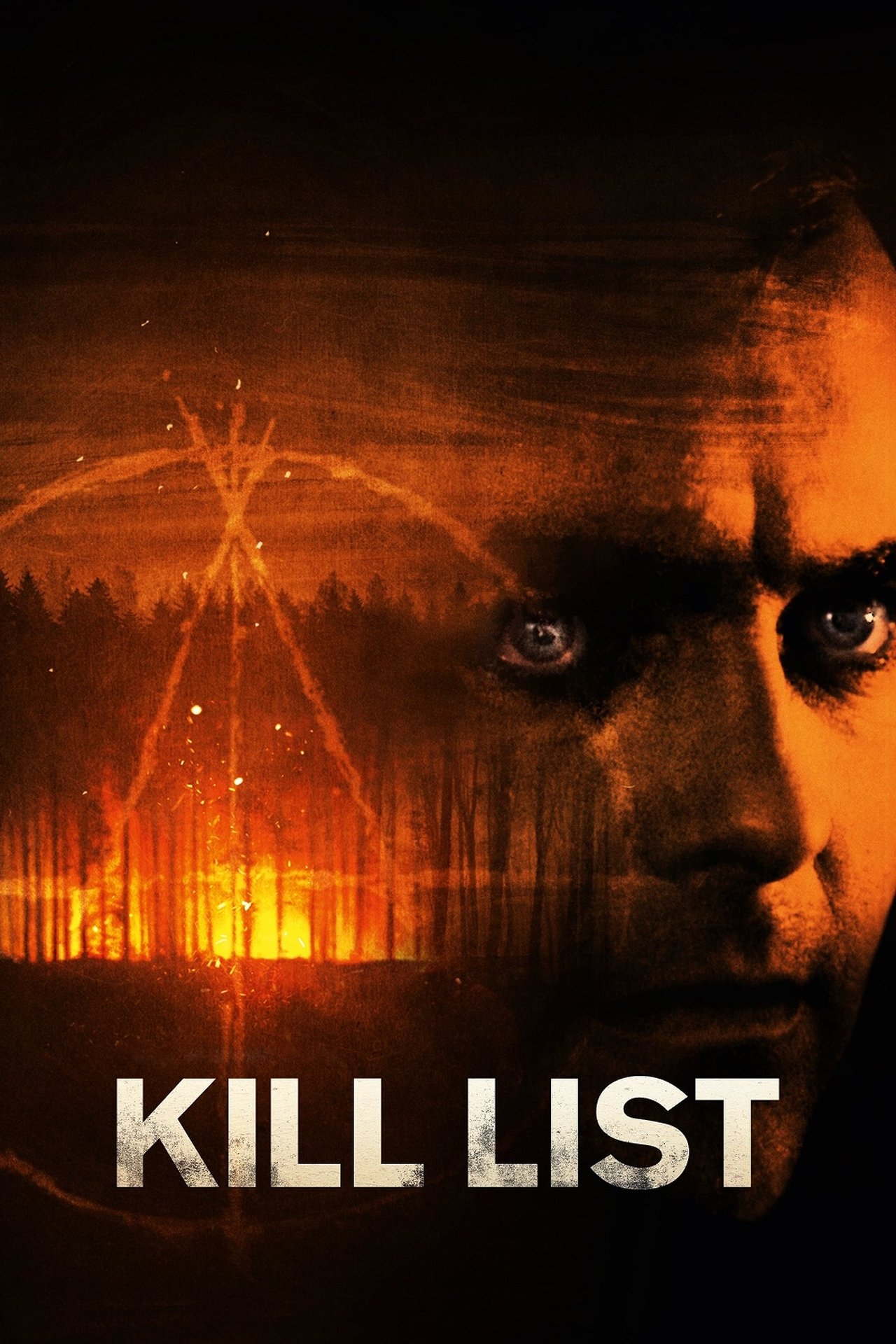
Nearly a year after a botched job, a hitman takes a new assignment with the promise of a big payoff for three killings. What starts off as an easy task soon unravels, sending the killer into the heart of darkness.
Common questions about folk horror
What is folk horror?
Folk horror is a subgenre that is usually slower paced and relies on a buildup of dread and tension vs jump scares. Folk horror usually has one or more of the following: a rural setting; isolation of central characters; ritualistic practices rooted by locals in a twisted moral/belief system (sometimes paranormal); and a tense outsider vs. insider dynamic. The Wicker Man, Witchfinder General, The Witch, and Midsommar are strong examples.
Why are The Witch and Midsommar folk horror?
The Witch isolates a single outcast (outsiders!) Puritan family at the edge of a New England wood (rural!) where they fall prey to the established horrors in the woods (locals!); Midsommar also isolates visiting students in a remote Swedish community whose rituals are monstrous to us but normal and pragmatic to them.
What is folk horror's "unholy trinity"?
What has been accepted as the "foundation" of folk horror and what birthed the subgenre. Consists of a trio of British films: Witchfinder General (1968), The Blood on Satan's Claw (1971), and The Wicker Man (1973). All three anchor the top of this ranking.
Is folk horror scary if it doesn't use jump scares?
Folk horror trades startle for dread — its fear comes from atmosphere, isolation, and escalating tension between an often violent local populace. That's why this list is ranked by atmosphere score rather than body count.