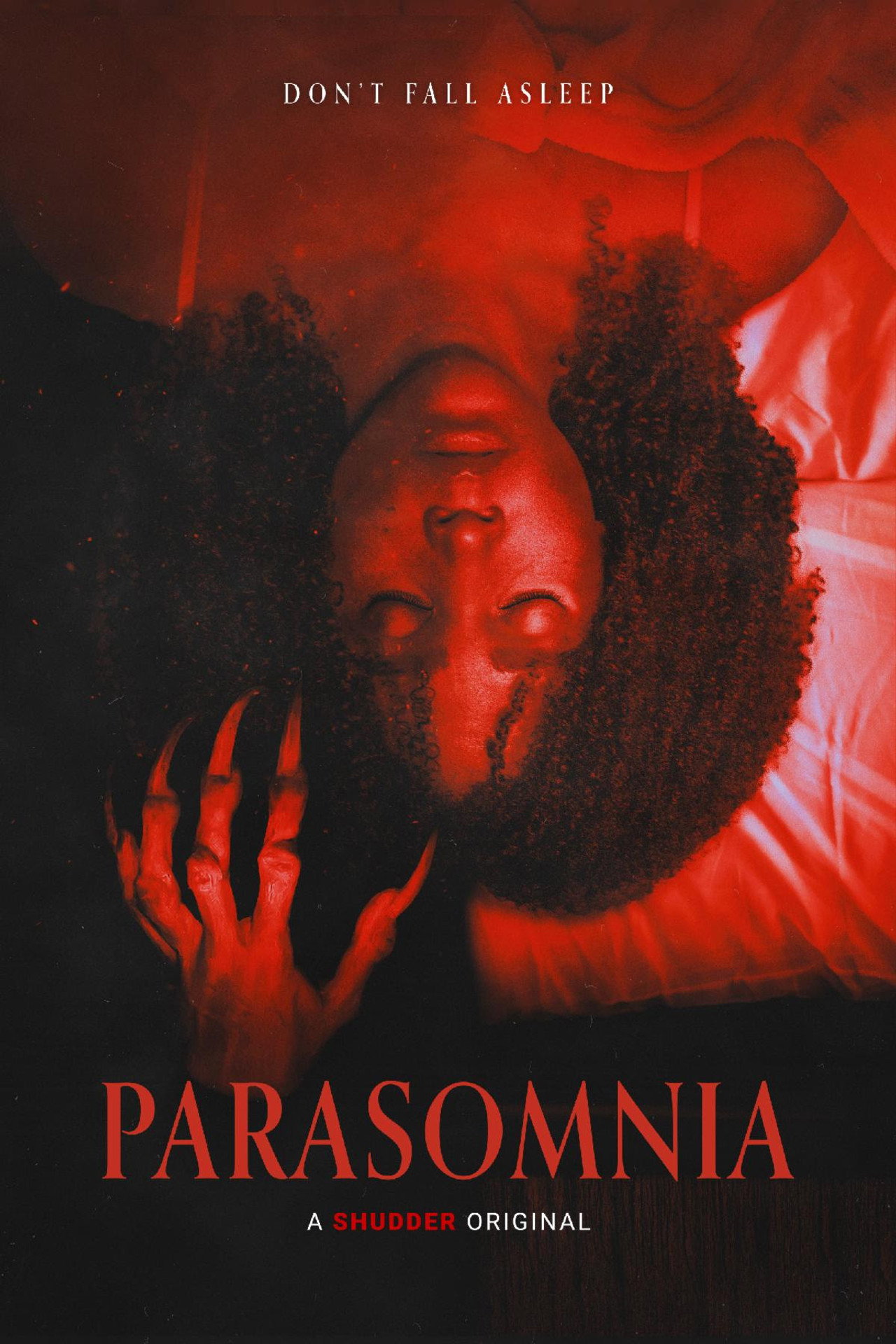
Parasomnia2025
Supernatural horror with the same sense of dread and core of grief.
Overall6.9
Fear6.0
Atmos6.8
Gore6.5

Supernatural
2020 · Not rated · 1h 33m
When ghosts follow, they never leave.
 Netflix
 Netflix Standard with Ads
Availability data powered by JustWatch (more options). Service names open TMDB's watch page for this film, one tap from the service. Services change; confirm on the service before you pay.
Free account
Keep a list of what you want to watch.
Save His House and pick it up later. We'll email you if it lands on a US subscription service. No ads, no algorithm.
No Curator Score yet for His House. A Curator Score appears once one of our curators has rated it. How we score
Jump scares
His House has 8 jump scares. Compare counts
Free account
Just saw His House?
No reader has scored it yet. Be one of the first 5.
Adding your score takes a free account, and your score joins the reader score.
Tap the bar for a whole number, drag it for halves. The full scorecard — fear, gore, atmosphere, intensity — is further down.
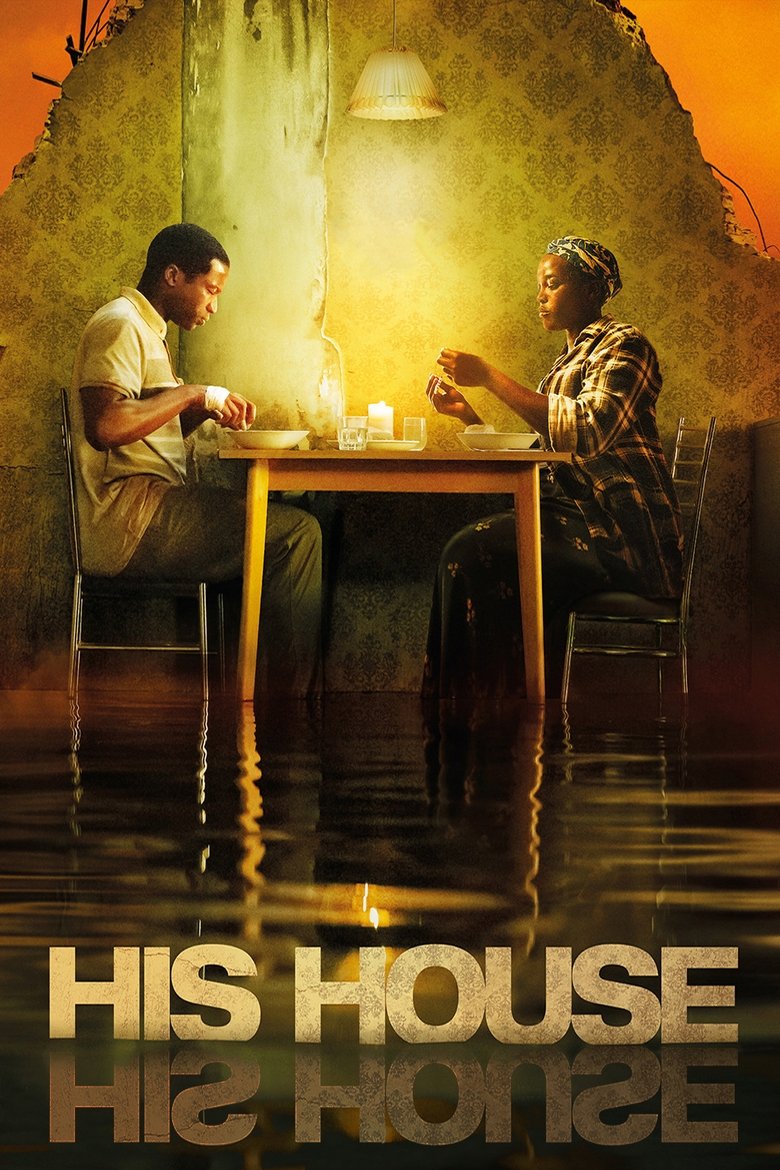
After making a harrowing escape from war-torn South Sudan, a young refugee couple struggle to adjust to their new life in a small English town that has an unspeakable evil lurking beneath the surface.
Plot summary via TMDB
Genres
Tags
Directed by
Written by
Cinematography
Music
Starring
Ṣọpẹ́ Dìrísù as Bol Majur · Wunmi Mosaku as Rial Majur · Malaika Wakoli-Abigaba as Nyagak · Matt Smith as Mark Essworth · Javier Botet as The Witch · Yvonne Campbell as South Sudanese Woman · Vivienne Soan as Neighbour · Lola May as Nyagak's Mother
Production
BBC Film, New Regency Pictures, Starchild Pictures, Vertigo Entertainment
Reviews
No reviews yet. Be the first.
More Like This