Amazon Video
 Apple TV Store
 Google Play Movies
 YouTube
 Fandango At Home
Frankenstein1931
Not yet scored

Body horror
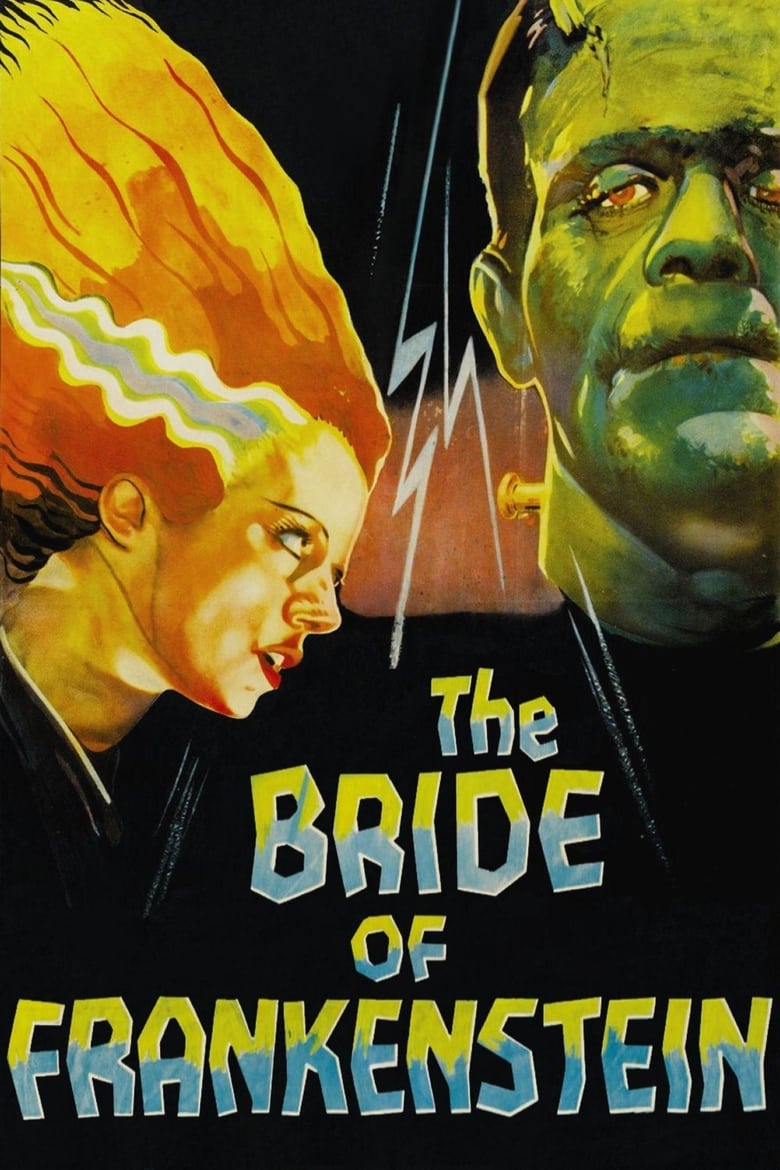
1935 · Not rated · 1h 15m
More fearful than the monster himself!
 Amazon Prime Video
 Peacock Premium
 Amazon Prime Video with Ads
 Peacock Premium Plus
Availability data powered by JustWatch (more options). Service names open TMDB's watch page for this film, one tap from the service. Services change; confirm on the service before you pay.
Free account
Keep a list of what you want to watch.
Save Bride of Frankenstein and pick it up later. We'll email you if it lands on a US subscription service. No ads, no algorithm.
No Curator Score yet for Bride of Frankenstein. A Curator Score appears once one of our curators has rated it. How we score
Free account
Just saw Bride of Frankenstein?
No reader has scored it yet. Be one of the first 5.
Adding your score takes a free account, and your score joins the reader score.
Tap the bar for a whole number, drag it for halves. The full scorecard — fear, gore, atmosphere, intensity — is further down.
Dr. Frankenstein and his monster both turn out to be alive after being attacked by an angry mob. The now-chastened scientist attempts to escape his past, but a former mentor forces him to assist with the creation of a new creature.
Plot summary via TMDB
Genres
Tags
Subgenre
Setting
Audience
Seasonal
Production
Directed by
Written by
Cinematography
Music
Starring
Boris Karloff as The Monster · Colin Clive as Henry Frankenstein · Valerie Hobson as Elizabeth · Ernest Thesiger as Doctor Pretorius · Elsa Lanchester as Mary Wollstonecraft Shelley / The Monster's Mate · Gavin Gordon as Lord Byron · Douglas Walton as Percy Bysshe Shelley · Una O'Connor as Minnie
Production
James Whale Productions, Universal Pictures
Reviews
No reviews yet. Be the first.
More From This Franchise
More Like This