Amazon Video
 Apple TV Store
 Google Play Movies
 YouTube
 Fandango At Home
 Fawesome
La maschera del demonio1960
Gothic horror with the same sense of dread.
Overall8.0
Fear4.0
Atmos7.4
Gore2.0

Occult
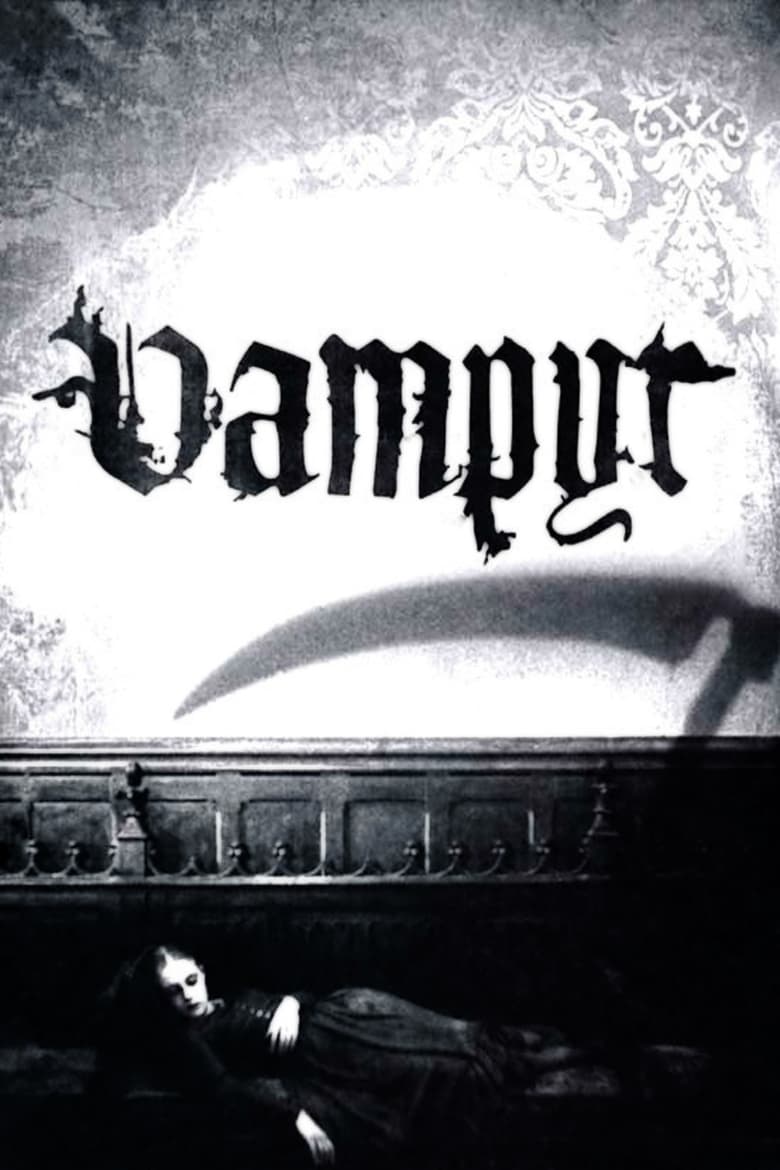
1932 · Not rated · 1h 14m · German
The strange adventure of Allan Gray.
 HBO Max Amazon Channel
 Philo
Philo Screambox Amazon Channel
 FlixFling
 HBO Max
 IndieFlix Shorts Amazon Channel
 Bloodstream
 Chilling
 Plex
Plex Plex Channel
 Cineverse
Availability data powered by JustWatch (more options). Service names open TMDB's watch page for this film, one tap from the service. Services change; confirm on the service before you pay.
Free account
Keep a list of what you want to watch.
Save Vampyr and pick it up later. We'll email you if it lands on a US subscription service. No ads, no algorithm.
No Curator Score yet for Vampyr. A Curator Score appears once one of our curators has rated it. How we score
Free account
Just saw Vampyr?
No reader has scored it yet. Be one of the first 5.
Adding your score takes a free account, and your score joins the reader score.
Tap the bar for a whole number, drag it for halves. The full scorecard — fear, gore, atmosphere, intensity — is further down.
Allan Gray, a young man fascinated by the supernatural, goes to a small village where he feels a sinister force descending upon him. There, Allan meets an old man who asks him to protect his two daughters, for one of them has been bitten by a vampire.
Plot summary via TMDB
Genres
Tags
Subgenre
Setting
Region
Audience
Directed by
Written by
Cinematography
Music
Starring
Nicolas de Gunzburg as Allan Grey · Maurice Schutz as The Lord of the Manor · Rena Mandel as Giséle · Sybille Schmitz as Léone · Jan Hieronimko as The Village Doctor · Henriette Gérard as The Old Woman from the Cemetery · Albert Bras as The Old Servant · N. Babanini as The Old Servant's Wife
Production
Tobis Filmkunst
Reviews
No reviews yet. Be the first.
More Like This