Metadata and artwork from TMDB. Not endorsed or certified by TMDB.
psychological
1980 · R · 1h 47m
Whatever you do… Don't go into the attic.
A composer retreats to a century-old mansion to mourn his dead family. The house has its own dead — and they've been waiting far longer.
Devastated by the sudden deaths of his wife and daughter, composer John Russell takes a fellowship in Seattle and moves into a sprawling Victorian estate. What begins as unexplained sounds and minor disturbances gradually reveals something deliberate — a murdered child demanding to be found, and a secret powerful enough to have been buried for decades.
Tags
Based on ratings
—
Overall
Composer John Russell is on a winter vacation upstate with his wife and young daughter when their car breaks down on a snowy road. He walks to a nearby phone booth to call for help. Looking back through the glass, he watches helplessly as a truck skids on ice and kills them both. Months later, unable to work in New York, he accepts a teaching post in Seattle and rents a sprawling Victorian mansion through the local Historical Preservation Society and its administrator, Claire Norman.
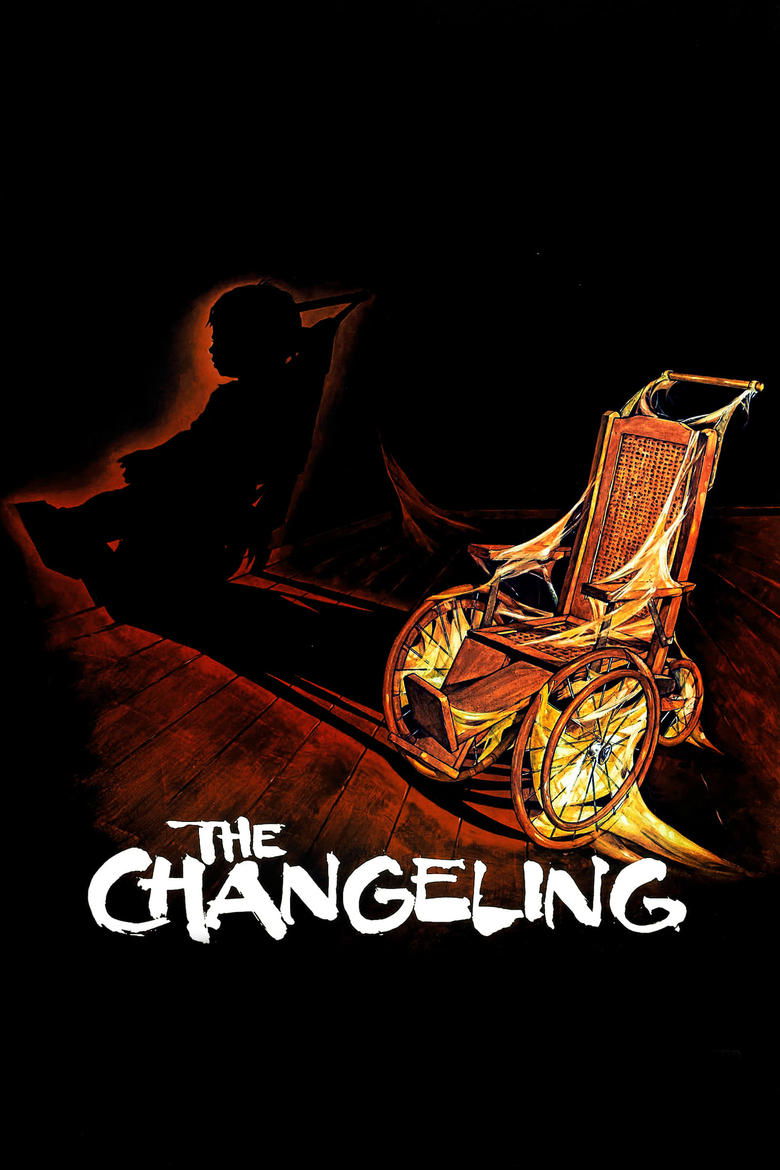
Shortly after moving in, strange phenomena begin accumulating. Every morning at the same time, loud rhythmic banging reverberates through the house. Faucets turn on by themselves; one night John finds every tap running and glimpses the apparition of a drowned boy in the upstairs bathtub. When a stained-glass window in an unexplored section of the house shatters without cause, John investigates and finds a locked door hidden in an upstairs closet, opening onto a sealed attic bedroom: a small iron bed, a child's wheelchair, old toys, and a music box. When wound, the music box plays the exact melody John had been improvising at the piano — a detail that stops him cold.
Consulting a parapsychology professor at the university, John arranges a séance at the mansion. A trance medium named Leah Harmon makes contact with a presence identifying itself as Joseph — a child, age six, who died in 1906. Playing back the audio recording afterward, John hears Joseph's voice layered beneath the medium's halting words, answering questions she never fully captured. A vision follows: a sickly boy confined to that attic room, his father Richard Carmichael forcing him into the bathtub and drowning him.
Research confirms the worst. Joseph was the only son of the wealthy Richard Carmichael, heir to a fortune contingent on surviving to age twenty-one. Disabled and chronically ill, Joseph was feared a liability. In 1906, during a snowstorm with the family supposedly abroad seeking treatment, Richard drowned his own son, buried the body, and replaced him with a healthy orphan from a local orphanage — a changeling, raised as the miraculously recovered Joseph. That impostor grew up to become Senator Joseph Carmichael, a powerful and respected figure still living in a grand estate on Mercer Island.
Following fragments from the séance and a vision corroborated by a neighborhood girl, John traces the real Joseph's remains to another former Carmichael property. Under the floorboards of a bedroom where a child's ghost had previously been seen, John finds a concealed well shaft. At the bottom: a child's skeleton and a christening medallion engraved with the name Joseph Carmichael.
John attempts to bring the truth directly to the Senator, approaching him at an airport and briefly flashing the medal. Carmichael has him removed, but notices — he possesses an identical medal given to him by his adoptive father. He sends a police captain and old associate named DeWitt to contain the situation, who accuses John of blackmail and demands the medal. John refuses. On DeWitt's drive back, his car inexplicably overturns and kills him. Under pressure, Carmichael agrees to meet. John lays out the full account — the drowning, the orphan replacement, the matching medal, the body in the well — and leaves the séance recording as evidence. Carmichael, furious and shaken, dismisses him.
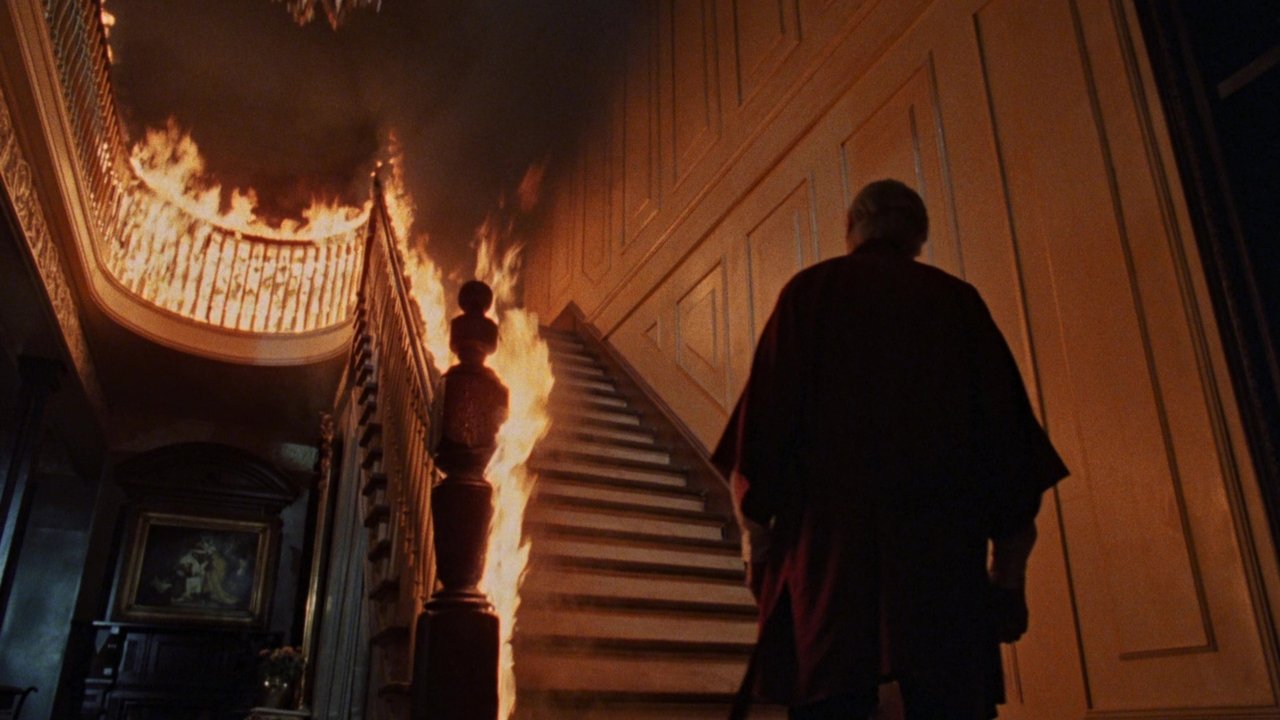
The Historical Society, pressured by Carmichael's influence, cancels John's lease and terminates Claire's position. Returning to the mansion as the phenomena intensify, Claire is chased through the house by Joseph's empty wheelchair careening down the corridor; she falls down the stairs, shaken but alive. John arrives as the house begins to violently shake. He goes upstairs to reason with the spirit, insisting he has done everything in his power. Instead of relenting, Joseph's rage peaks — the attic room ignites and the upper floors begin to collapse. John falls, injured, as the mansion burns.
At the same time, alone in his estate, Senator Carmichael listens to the séance recording and compares the two identical medals. In a surreal parallel sequence, his astral body is drawn to the burning mansion, climbing its stairs and entering the attic to witness the original drowning as if present. The shock is absolute. Back in his estate, Carmichael suffers a fatal heart attack and collapses before his father's portrait.
Claire pulls John from the burning house. They watch Carmichael's body loaded into an ambulance. In the smoldering ruins the following morning, Joseph's wheelchair stands upright amid the debris, and the music box opens on its own and plays its lullaby one final time — the murdered child's secret unearthed, the changeling's line ended, and a grieving man who served as the instrument of a ghost's long-delayed justice.
More Like This
Reviews
No reviews yet. Be the first.