Ouija: Origin of Evil2016
Haunted-house horror with the same slow-burn dread and period setting.
Overall7.9
Fear7.0
Atmos7.3
Gore1.0
Possession
2016 · Not rated · 1h 24m · Persian
Fear will find you.
 Netflix
 Netflix Standard with Ads
 Amazon Video
 Apple TV Store
 Fandango At Home
 Hoopla
Availability data powered by JustWatch (more options). Service names open TMDB's watch page for this film, one tap from the service. Services change; confirm on the service before you pay.
Free account
Keep a list of what you want to watch.
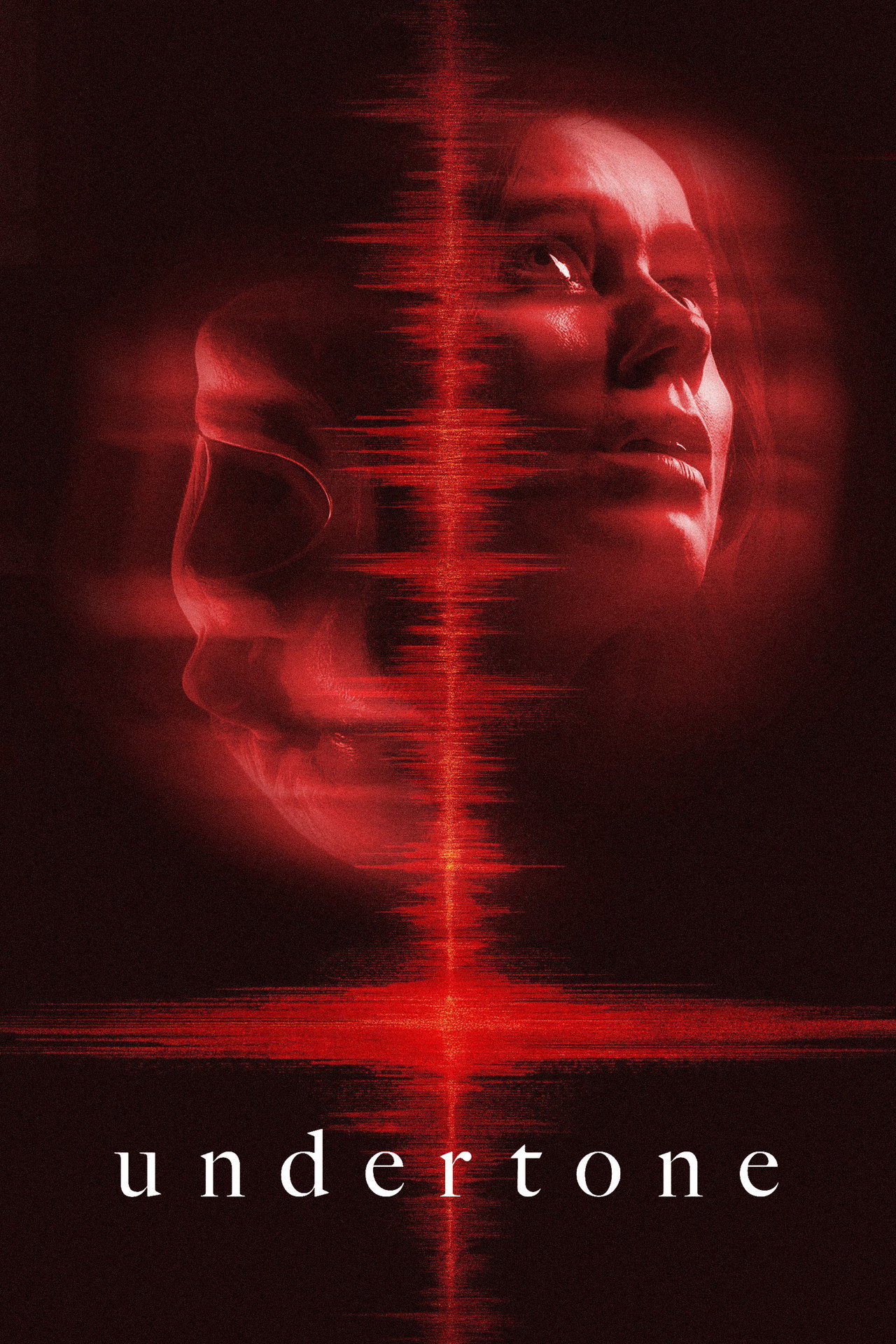
Save Under the Shadow and pick it up later. We'll email you if it lands on a US subscription service. No ads, no algorithm.
No Curator Score yet for Under the Shadow. A Curator Score appears once one of our curators has rated it. How we score
Jump scares
Under the Shadow has 9 jump scares. Compare counts
Free account
Just saw Under the Shadow?
No reader has scored it yet. Be one of the first 5.
Adding your score takes a free account, and your score joins the reader score.
Tap the bar for a whole number, drag it for halves. The full scorecard — fear, gore, atmosphere, intensity — is further down.
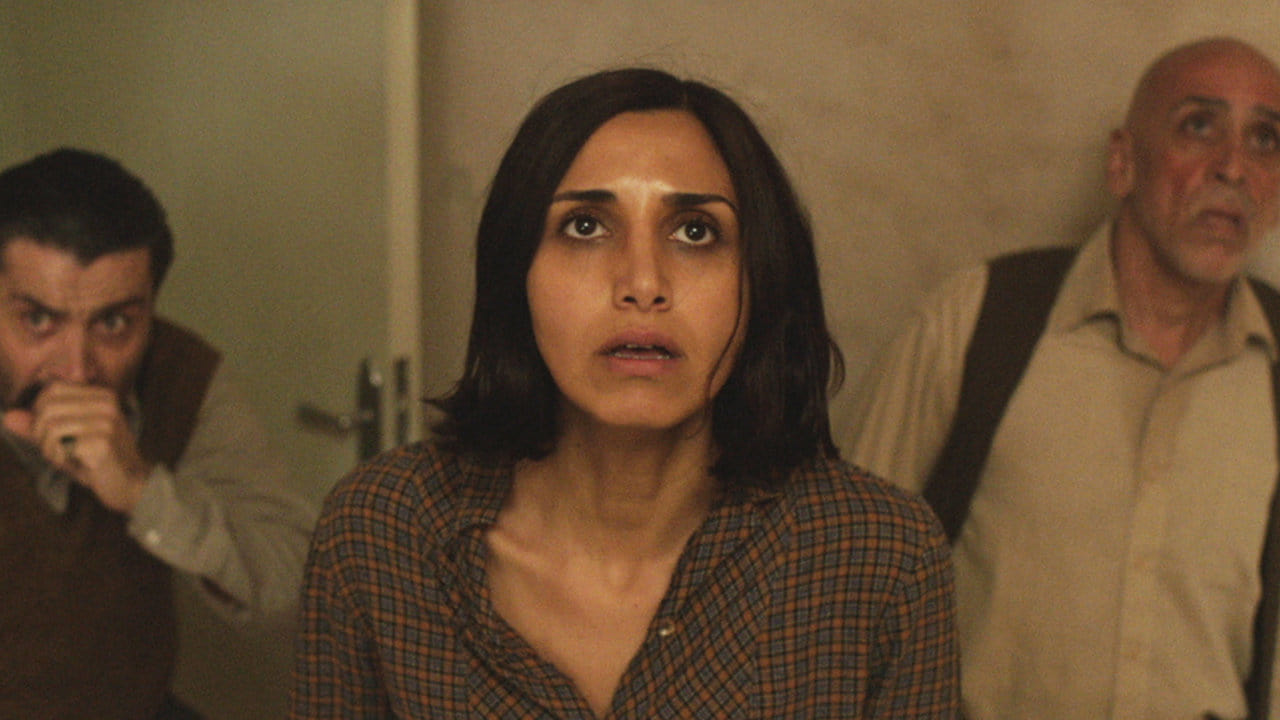
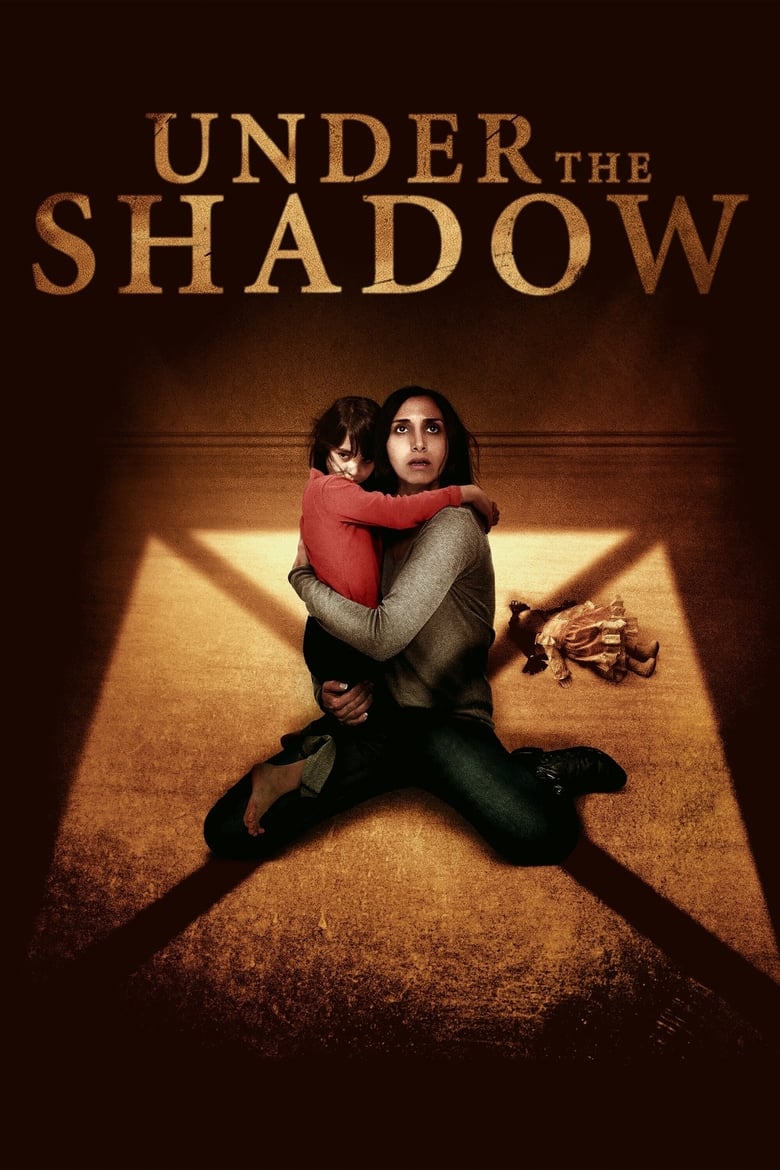
After Shideh's building is hit by a missile during the Iran-Iraq War, a superstitious neighbor suggests that the missile was cursed and might be carrying malevolent Middle-Eastern spirits. She becomes convinced a supernatural force within the building is attempting to possess her daughter Dorsa, and she has no choice but to confront these forces if she is to save her daughter and herself.
Plot summary via TMDB
Genres
Tags
Region
Audience
Content Warnings
Directed by
Written by
Cinematography
Starring
Narges Rashidi as Shideh · Avin Manshadi as Dorsa · Bobby Naderi as Iraj · Ray Haratian as Mr. Ebrahimi · Hamid Djavadan as Mr. Fakur · Bijan Daneshmand as Director · Behi Djanati Atai as Pargol · Aram Ghasemy as Mrs. Ebrahimi
Production
Creativity Capital, MENA Film, Wigwam Films
Reviews
No reviews yet. Be the first.
More Like This