Metadata and artwork from TMDB. Not endorsed or certified by TMDB.
occult
2026 · R · 1h 40m
Don't blow it.
You're not going to like what this whistle calls.
When goth transfer student Chrys is assigned the locker of a recently-deceased basketball star at Pellington High, she finds a strange pre-Columbian artifact tucked inside: an Aztec Death Whistle. Stuck in detention with her cousin and a small clutch of unlikely classmates, the group dares each other to blow it — and discovers, too late, that each of them is now being hunted by the specific death that was always coming for them. From director Corin Hardy (The Hallow), a slick Final-Destination-coded horror built on pre-Columbian mythology and a high-school cast that runs out of safe places fast.
Tags
Based on 2 ratings
6.5
Overall
The film opens at Pellington High with star basketball player Mason Raymore being chased through the locker room showers by a flaming, human-shaped figure. The burning entity corners him and Mason is horrifically incinerated alive, an event partly witnessed by teammates but quickly smoothed over by the school and treated as a freak tragedy. Six months later, the school casually reassigns Mason's old locker to Chrys (short for Chrysanthemum), a goth-leaning transfer student trying to restart her life by joining her cousin Rel at Pellington. The jock crowd is offended that the dead star's locker has been given away, and they immediately start harassing Chrys in the halls.
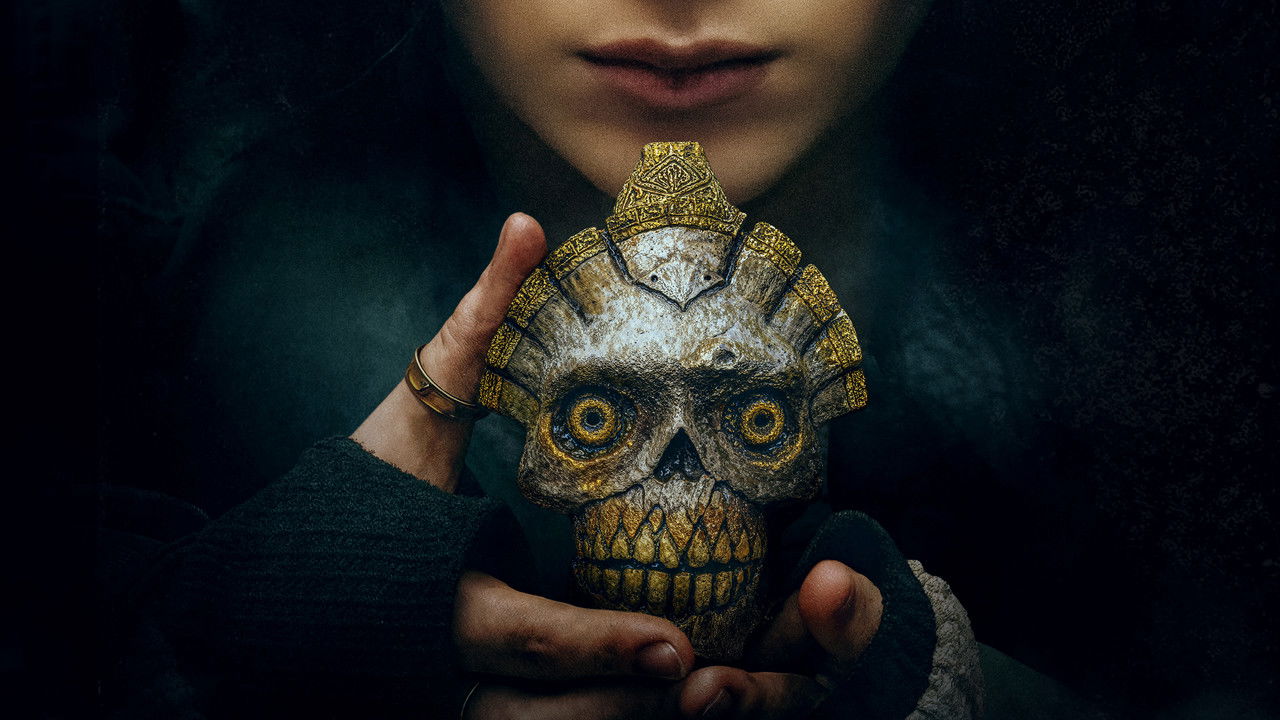
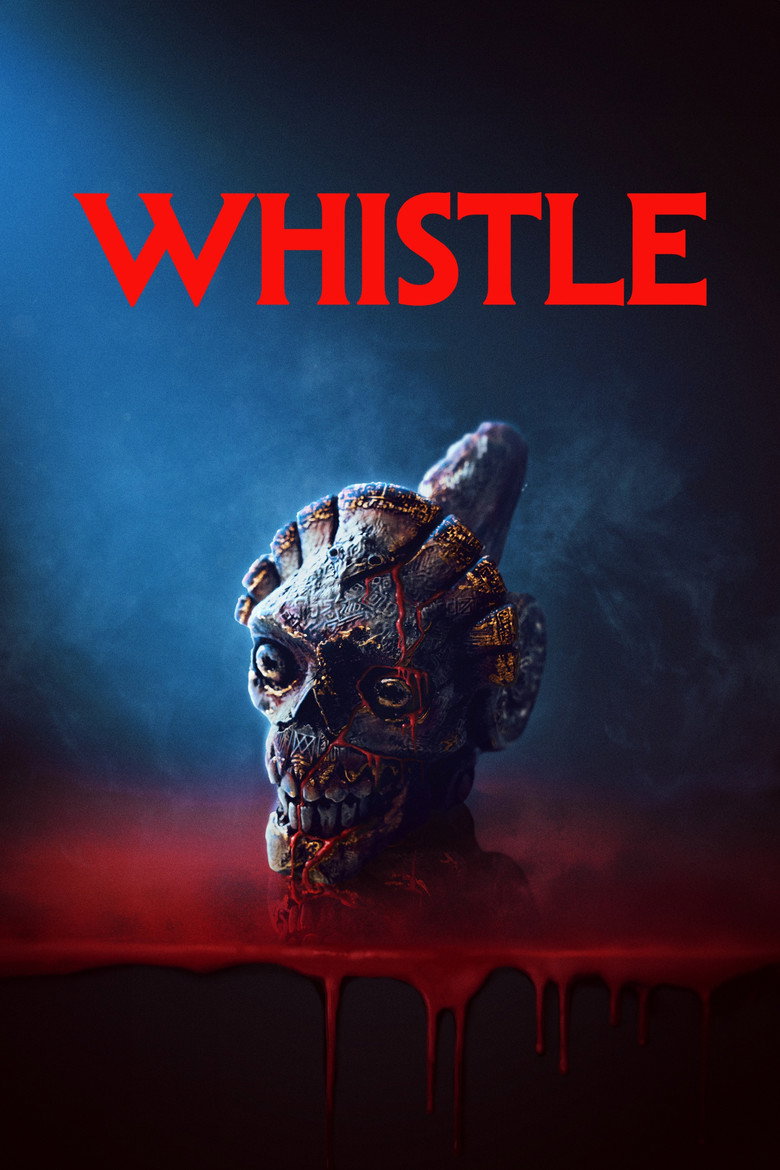
While cleaning out the locker, Chrys finds a strange pre-Columbian artifact: a carved Aztec death whistle. Her teacher Mr. Craven (Nick Frost), who teaches history and is fascinated by the artifact, takes it to "study," but the whistle mysteriously finds its way back into the teens' hands.
Chrys ends up in detention alongside her cousin Rel, jock Dean, Dean's girlfriend Grace, and Ellie — an attractive, popular girl who quickly becomes the object of Chrys's crush. Bored and egging each other on, the group decides to test the strange whistle and blow it, despite its unnerving, piercing tone. Blowing the whistle activates a curse: everyone who hears it is marked to face the specific manner of death that awaits them in their future. After the whistle sounds, each cursed person begins to experience visions and manifestations of their own "future death," which then physically stalks them, similar in spirit to Final Destination.
Soon after, a stressed Mr. Craven blows the whistle alone, and he is confronted by a ghastly, cancer-riddled future version of himself, revealing that the curse doesn't just affect teens — it shows anyone their eventual end and sends that death after them. For the kids, hauntings start as glimpses or attacks by distorted, future versions of themselves or circumstances tied to how they will die, escalating until the death actually happens. One by one, members of the group and other students are picked off in elaborate, gruesome set-pieces where the vision of their future death finally "catches up" and kills them. The entity linked to the whistle isn't one fixed monster but more like a mechanism: it orchestrates events and apparitions so that each victim meets the fate destiny has assigned them.
Realizing Mason's bizarre burning death followed the same rules, Chrys, Ellie, Rel, Dean, and Grace begin investigating the whistle's Aztec origins and the pattern behind the curse. They learn that the "death whistle" was historically used to invoke terror and call up the presence of death on battlefields, and in the film's mythology, blowing it literally summons Death in a personalized form that cannot easily be cheated.
The group deduces that the curse is locked to a person's "fated" death and that once summoned, the only way out might be to somehow break the link to that fate. Following a trope familiar from other curse-horror, they hatch a risky plan: if they trigger controlled, clinical death (stopping the heart briefly) and then resuscitate each other, maybe they can "die" in a way that satisfies the curse without actually losing their lives. They proceed with this high-stakes experiment — flatlining and then being brought back in a sequence that echoes films like Flatliners and death-curse stories where characters try to outsmart inevitability. For a moment it seems to work, with the immediate manifestations slowing or shifting, giving the survivors hope that they've found a loophole.
However, Death "doesn't like being cheated," and the curse adapts, finding new ways to continue hunting them. The group's numbers dwindle as plans fail and the deaths keep coming, proving that their clinical-death gambit is, at best, a temporary stall rather than a permanent solution.
As the story narrows to Chrys and Ellie, the curse becomes more metaphysical. The whistle's power traps Chrys in a kind of void or liminal realm where she confronts a murderous "future self" that embodies the way she is destined to die. This future-Chrys functions as a killer avatar of the curse, relentless and intimately tailored to her fears and insecurities. In this void, Chrys battles her other self, and the confrontation serves as both physical fight and symbolic struggle over whether she will accept or reject the death that's been laid out for her. She ultimately manages to defeat this future version, a key moment that suggests it may be possible to break or at least bend fate through will and sacrifice.
Chrys then wakes up back in the real world to find Ellie on the floor beside her, shaking and dying, while Noah — a figure aligned with or manipulated by the curse — looms over them, ready to finish the job. In the chaos that follows, gunshots ring out; the Aztec whistle is shattered on the ground, apparently broken by the barrage of bullets. With the whistle destroyed, the physical anchor of the curse appears to be gone. Just then, Ellie regains consciousness, and she and Chrys embrace, believing they have finally survived and broken the death-whistle's hold.
The film jumps forward three months. Chrys and Ellie are alive, scarred but bonded by their experience, and the shattered whistle suggests that this specific artifact can no longer claim any more victims. The surviving characters carry heavy psychological and moral weight from the deaths they witnessed and the actions they took to fight the curse.
However, a post-credits scene undercuts any sense of closure: at another school event, a brand-new teenager discovers an Aztec death whistle and blows it in a crowded high-school auditorium packed with about 400 students. Director Corin Hardy has said this scene is meant to tease a larger-scale sequel, hinting at what it would look like if hundreds of people all became simultaneously cursed to face their future deaths. The implication is that the death-whistle mythology extends far beyond Chrys and Ellie, and that destroying one whistle doesn't stop the larger supernatural system that uses these artifacts to feed on fear, fate, and mortality.
More Like This
Reviews
No reviews yet. Be the first.