 Amazon Video
 Apple TV Store
 Google Play Movies
 YouTube
 Fandango At Home
It Ends2025
Psychological horror with the same slow-burn build and bleak outlook.
Overall3.8
Fear3.5
Atmos4.5
Gore1.5
Teen
2023 · Unrated · 1h 34m
Ride or die.
 Amazon Prime Video
 fuboTV
 Philo
Philo MGM Plus Roku Premium Channel
 MGM Plus
 Amazon Prime Video with Ads
Availability data powered by JustWatch (more options). Service names open TMDB's watch page for this film, one tap from the service. Services change; confirm on the service before you pay.
Free account
Keep a list of what you want to watch.
Save The Passenger and pick it up later. We'll email you if it lands on a US subscription service. No ads, no algorithm.
Watch Darkly
Curator Certificate
6.5
Out of ten
Passed by one curator
1 reader score so far. It shows once 5 readers have.
Leans into atmosphere, light on gore.
Add your ratingFree account
Just saw The Passenger?
4 more scores before the reader score shows. We scored it 6.5. Where do you land?
Adding your score takes a free account, and your score joins the reader score.
Tap the bar for a whole number, drag it for halves. The full scorecard — fear, gore, atmosphere, intensity — is further down.
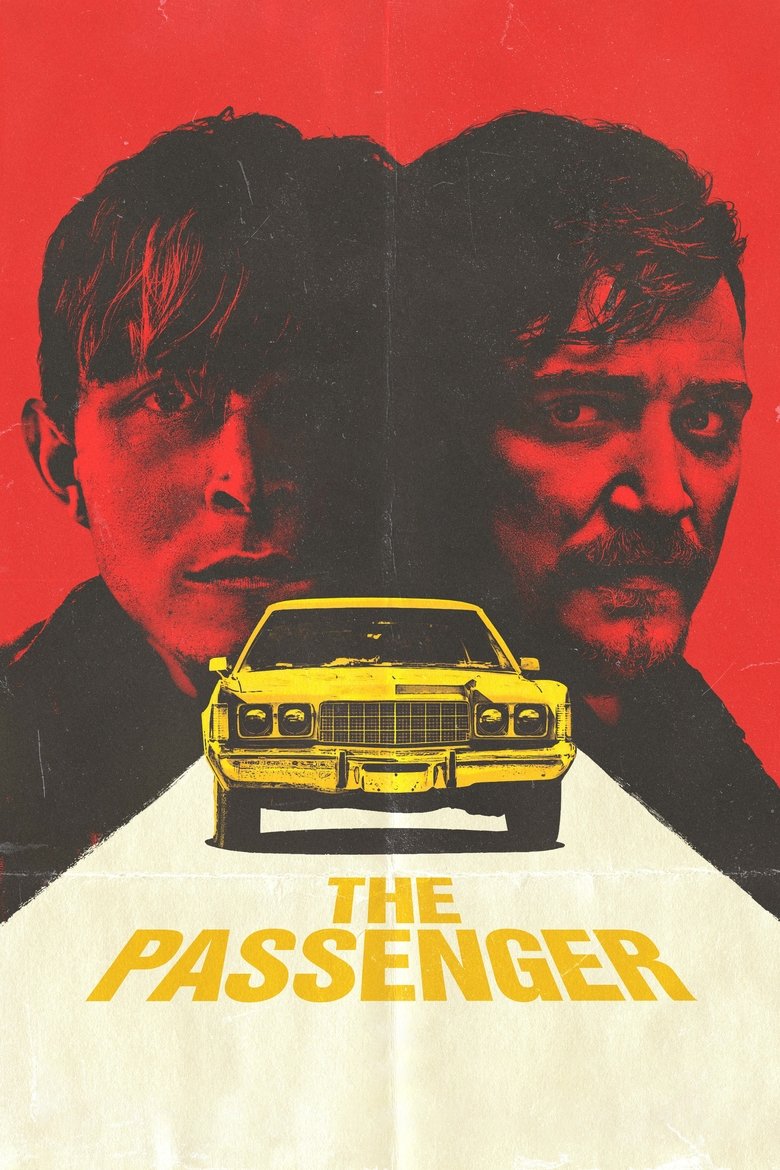
Randolph Bradley is perfectly content fading into the background, but when his coworker Benson snaps and goes on a violent killing spree, he’s forced to face his fears and confront his troubled past in order to find a way to survive.
Plot summary via TMDB
Genres
Tags
Directed by
Written by
Cinematography
Music
Starring
Kyle Gallner as Benson · Johnny Berchtold as Randolph Bradley · Liza Weil as Miss Beard · Billy Slaughter as Hardy · Matthew Laureano as Chris · Jordan Sherley as Jess · Kanesha Washington as Marsha · Lupe Leon as Lisa
Production
Blumhouse Productions
Reviews
No reviews yet. Be the first.